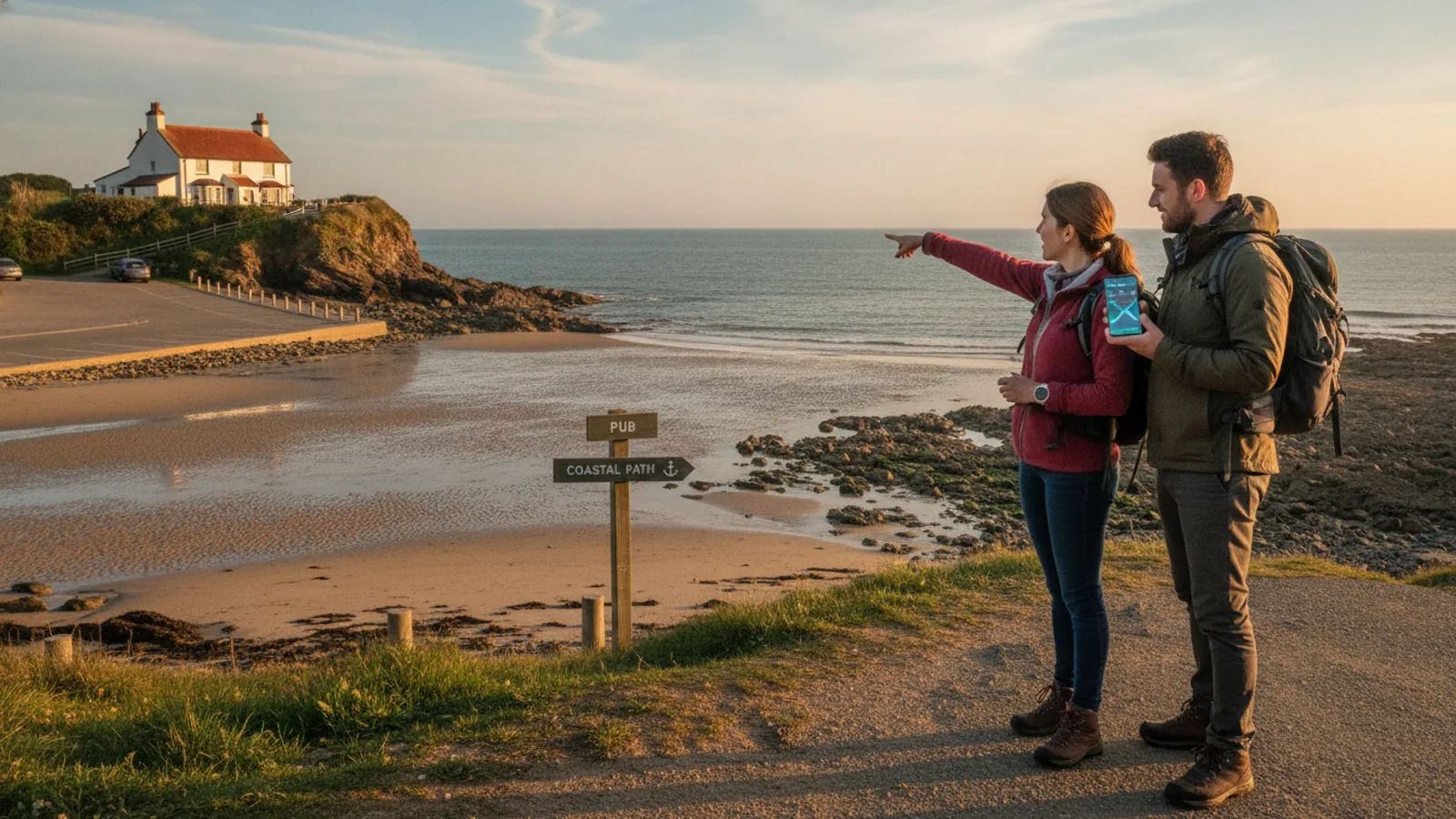
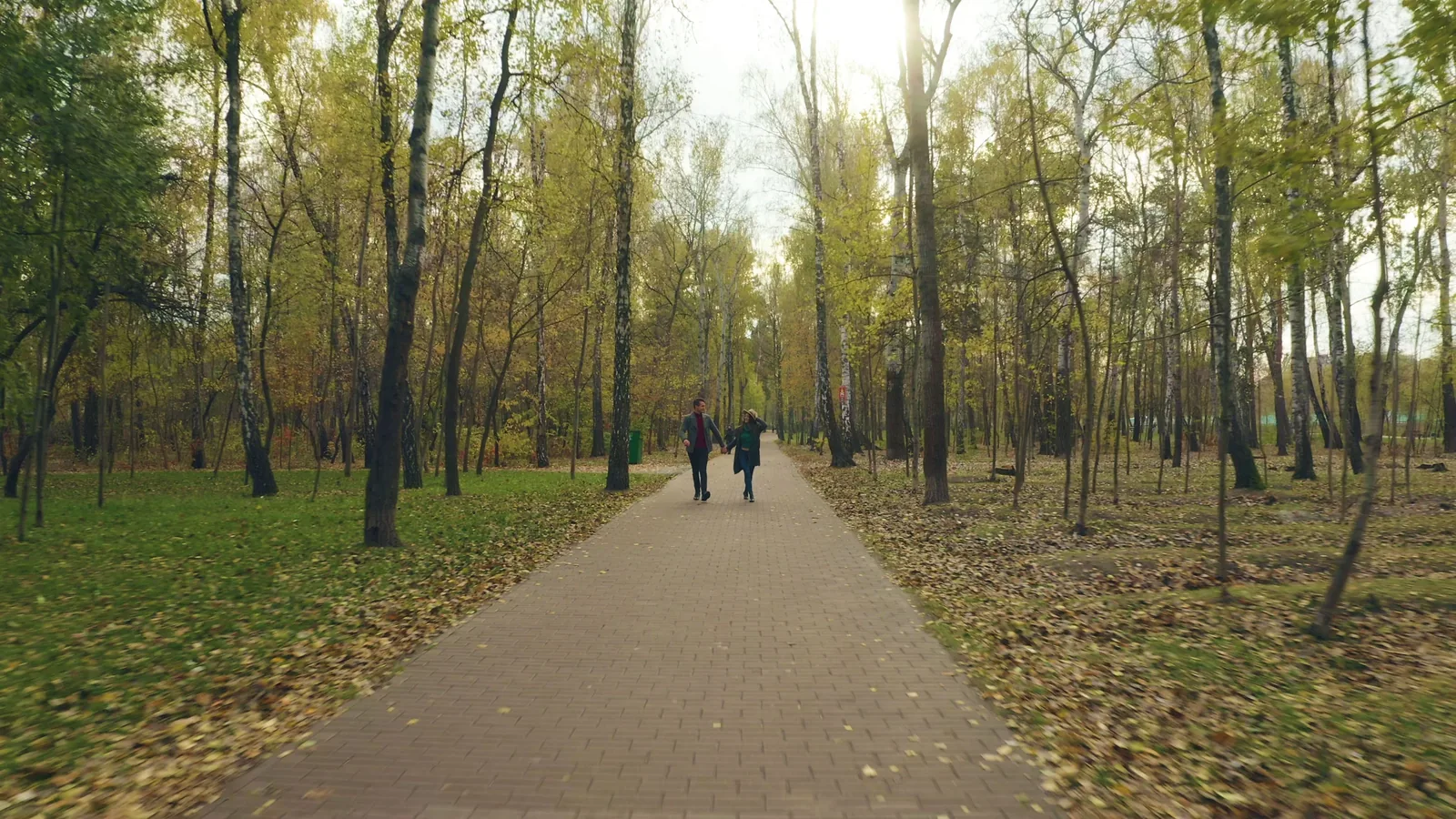
How To Plan A Country Pub Walk For A First Weekend Away
A practical step-by-step guide to how to plan a country pub walk for a first weekend away, including preparation, instructions, common issues, tips, and next steps.
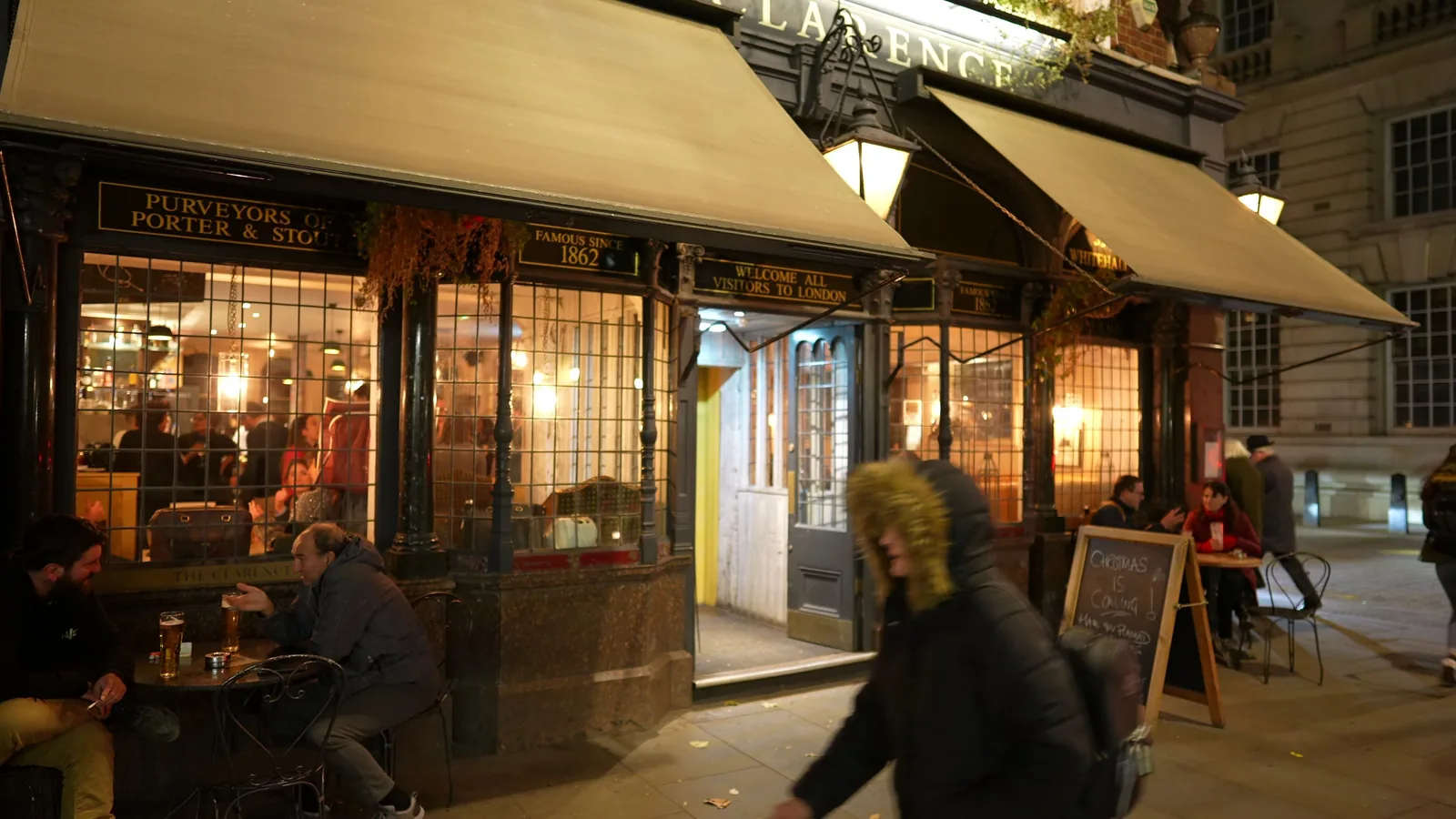
How To Plan A Country Pub Walk For A First Weekend Away
Planning a country pub walk for your first weekend away is a wonderful way to combine gentle exercise, scenic views, and traditional hospitality. This guide helps you choose a suitable route, confirm pub details, prepare essential gear, and manage the day smoothly. By following these steps, you will create a memorable outing that balances enjoyment, safety, and comfort.
Fast Answer
- Pick a circular walk of 5–8 miles with moderate terrain, starting and ending at the pub, and check the weather and daylight hours before you go.
- Reserve a table at the pub in advance, confirm their opening times and kitchen schedule, and plan a hearty meal to refuel after your walk.
Before You Start
- Choose a walk from a reliable source like an OS map, local walking guide, or a well-reviewed website, and print or download the route description and map for offline use.
- Check the weather forecast for the day and dress in layers with waterproofs, and wear broken-in walking boots or sturdy shoes with good grip.
- Pack a small rucksack with water, snacks, a first-aid kit, a mobile phone power bank, a whistle, and a headtorch in case you are out later than planned.
- Call the pub at least a week ahead to book a table, confirm their opening hours, kitchen closing time, and whether they allow dogs, muddy boots, or have a drying room.
Step-by-Step Instructions
Select a Suitable Circular Route
Your first step is to find a circular walk that starts and ends at the pub, ideally between 5 and 8 miles (8–13 km) long with moderate elevation gain. Look for routes on Ordnance Survey maps, local walking club websites, or guidebooks that describe the terrain and points of interest. A circular route avoids the need to arrange transport back from the endpoint, giving you a stress-free experience. Check that the path is well-marked and within your fitness level, and note any stiles, gates, or steep sections. Also verify that the pub is roughly midway or at the start/end so you can rest and eat at the right time. Finally, read recent walk reports to ensure paths are not overgrown or closed, and consider downloading a GPX file to your phone for turn-by-turn navigation. Practical check: print the route map and description, and highlight the pub location, car park, and any tricky junctions. Why this matters: A detailed route plan prevents getting lost and ensures you have a clear goal, which is especially important when you are less experienced.
Book a Table and Confirm Details
Once you have your route, contact the pub to book a table for your group. Do this at least a week in advance, especially on weekends, as country pubs can be busy with locals and other walkers. Ask for the exact opening times, kitchen hours, and whether they take last orders earlier in the afternoon. Inquire about their policy on muddy boots and dogs, and confirm if they have a designated area for walkers. If you plan to eat after the walk, agree on a reservation time that allows for your estimated finish, plus a buffer of at least 30 minutes for delays. Also ask about parking facilities and whether you need a parking permit or can leave your car overnight if you intend to stay at a nearby inn. Practical check: write down the booking reference and the name of the staff member you spoke to, and put the pub's phone number in your phone. Why this matters: Confirming these details avoids disappointment, such as arriving to find the kitchen closed or no space, and ensures a warm welcome after your exertions.
Prepare Your Clothing and Gear
Your clothing should be suitable for the expected weather and for a day of walking. Wear moisture-wicking base layers, a mid-layer for warmth, and a waterproof and windproof outer jacket, even if the forecast is fine, as mountain weather changes quickly. Choose trousers that are comfortable and quick-drying, and avoid jeans, which become heavy and cold when wet. On your feet, wear well-fitting walking boots or sturdy shoes with a good tread, and wear them for a few weeks before the trip to break them in and prevent blisters. Pack a small rucksack with the following essentials: at least 1 litre of water per person, high-energy snacks like nuts or dried fruit, a basic first-aid kit with plasters and antiseptic wipes, a fully charged mobile phone with a power bank, a whistle, a headtorch, sun protection, and a map and compass if you know how to use them. Also bring a change of socks and a lightweight dry bag for valuables. Practical check: lay out all your gear the night before and tick off a list to ensure nothing is forgotten. Why this matters: Being prepared for changes in weather and minor emergencies keeps you safe and comfortable, so you can focus on enjoying the scenery.
Check Conditions and Set a Start Time
On the morning of your walk, recheck the latest weather forecast for the exact area, not just the nearest town, and assess if any warnings are in place. If there is heavy rain or strong gusts, postpone your walk to another day. Also consider the length of daylight: in spring and summer, you have more hours, but in autumn and winter, it gets dark early, so start by 9 or 10 a.m. to give yourself plenty of time. Plan your start time so that you arrive at the pub by noon or early afternoon for a leisurely lunch, or after the walk for a late afternoon meal, depending on your preference. Calculate an estimated walking time for the route, adding 50% extra for rests, photo stops, and slower sections. Set a turnaround time: if you have not reached a certain point by mid-afternoon, you should head back. Practical check: confirm that your group is ready and has everyone's phone numbers, and agree on a meeting point if you get separated. Why this matters: Being mindful of time and weather ensures you complete the walk safely before dark, avoiding the risk of being caught in poor conditions.
Enjoy the Walk and Follow the Route
At the start of the walk, take a few moments to check the map and orient yourself, and then set off at a comfortable pace for the slowest member of your group. Follow waymarks, signposts, and your map, and look for natural features like streams, ridges, or distinctive trees to confirm your position. Take regular breaks every 45 minutes or so to drink water, eat a snack, and enjoy the view. Stop at any points of interest, but keep an eye on your watch and the remaining distance. As you walk, frequently check your printed map and compare it to the terrain, and use a compass or the sun to confirm your direction. If you come to an ambiguous junction, consult your map and GPS before choosing a path, and if you are unsure, take the more obvious track that matches your route. Keep an eye on the weather, and if it worsens significantly, consider cutting the walk short by following a path that leads back to the pub or road. Practical check: at each planned checkpoint, quickly verify that you are on schedule and that you have enough water. Why this matters: Staying oriented and pacing yourself prevents fatigue and mistakes, ensuring you reach the pub safely and on time.
Refuel at the Pub and Head Home
When you arrive at the pub, remove muddy boots at the entrance if required, and store your rucksack in a safe spot. Wash your hands and then settle in for a well-deserved meal. Check the menu for hearty options, and consider dishes that are high in carbohydrates and protein to replenish your energy. Drink plenty of water and maybe a soft drink; if you have alcohol, do so in moderation and only if you are not driving. Take time to relax, chat with your companions, and review the day's highlights. After your meal, check the parking situation and any time limits, and ensure you have all your belongings. If you are staying overnight at a nearby B&B or have a long drive, plan a route home and check for traffic or weather. Finally, reflect on what worked well and what you might change for next time, such as taking a longer walk or trying a different pub. Practical check: collect the pub's business card or note its name for future reference, and make sure everyone is accounted for before departing. Why this matters: Properly refueling and relaxing after the walk enhances your enjoyment and safety, and reviewing your plan improves future trips.
Quick Reference
| Situation | Action | Why it helps |
|---|---|---|
| You arrive at the pub and it looks closed despite your booking. | Call the pub's phone number and check your booking confirmation; if no answer, ask nearby locals or look for a note on the door. | Some pubs may have last-minute closures due to staff illness or unexpected events, so it is wise to have a backup plan like a nearby café. |
| The weather turns to heavy rain and strong wind mid-walk. | Stop, don waterproofs, assess the risk, and consider heading back the way you came if the route ahead becomes unsafe. | Safety is a priority; turning back is a sensible decision rather than risking hypothermia or slips on wet paths. |
| You realize you are lost and cannot find the path on your map. | Stop moving, use your phone's GPS or a compass to determine your bearing, and retrace your steps to the last known waymark. | Panicking can lead to more confusion; retracing your steps to a known point is the most reliable way to get back on track. |
Common Issues
- Blister on your heel or toe halfway through the walk.: Stop immediately, cover the blister with a blister plaster or moleskin, and adjust your socks or lacing to reduce friction.
- The pub is fully booked and cannot accommodate you.: Ask for a table at the bar or in the garden, or ask if they do takeaway; otherwise, have a list of nearby pubs to try.
- You run out of water before reaching the pub.: If no stream or tap is available, ration your water and eat juicy fruits; stop at a farm or house if safe to ask for a refill.
Advanced Tips
- Learn to read a topographic map and use a compass – this skill is invaluable for navigating even when GPS fails.
- Pack a small dry bag to keep your phone, wallet, and keys safe and dry, and bring a microfiber towel to dry off at the pub.
- Consider a route with a gentle ascent and a steep descent on a different path, for variety and to exercise different muscles – but plan for knee strain.
Final Checklist
- Map and route description printed or downloaded on your phone, and a power bank.
- Water and high-energy snacks for the estimated walk time.
- Waterproof jacket and trousers, plus extra layers for warmth.
- First-aid kit, whistle, headtorch, and any personal medication.
FAQ
How do I know if a walk is suitable for beginners?
For a first weekend away, look for a walk labeled 'easy' or 'moderate' with a distance under 8 miles and minimal elevation. Check that paths are clear and well-signposted, and read recent reviews from other walkers. Avoid routes that require scrambling or navigation skills. Also, choose a circular route so you don't have to backtrack.
What should I do if the weather forecast looks bad?
If heavy rain, strong winds, or fog is forecast, postpone your walk and choose a different day. Never go out in severe weather as a beginner. If it's just light showers, you can proceed with proper waterproof gear, but be prepared to turn back if conditions worsen. Always check the forecast again on the morning of the walk before leaving.
Do I need to book a table at the pub in advance?
Yes, especially on weekends and bank holidays. Country pubs often get busy with walkers and locals. Booking ahead ensures you have a table, and you can also confirm kitchen times. If you change plans, you can always call to cancel. It's a small effort that avoids disappointment.