How To Plan A Dog Friendly Pub Walk With Sensible Route Notes
A practical step-by-step guide to how to plan a dog-friendly pub walk with sensible route notes, including preparation, instructions, common issues, tips, and next steps.
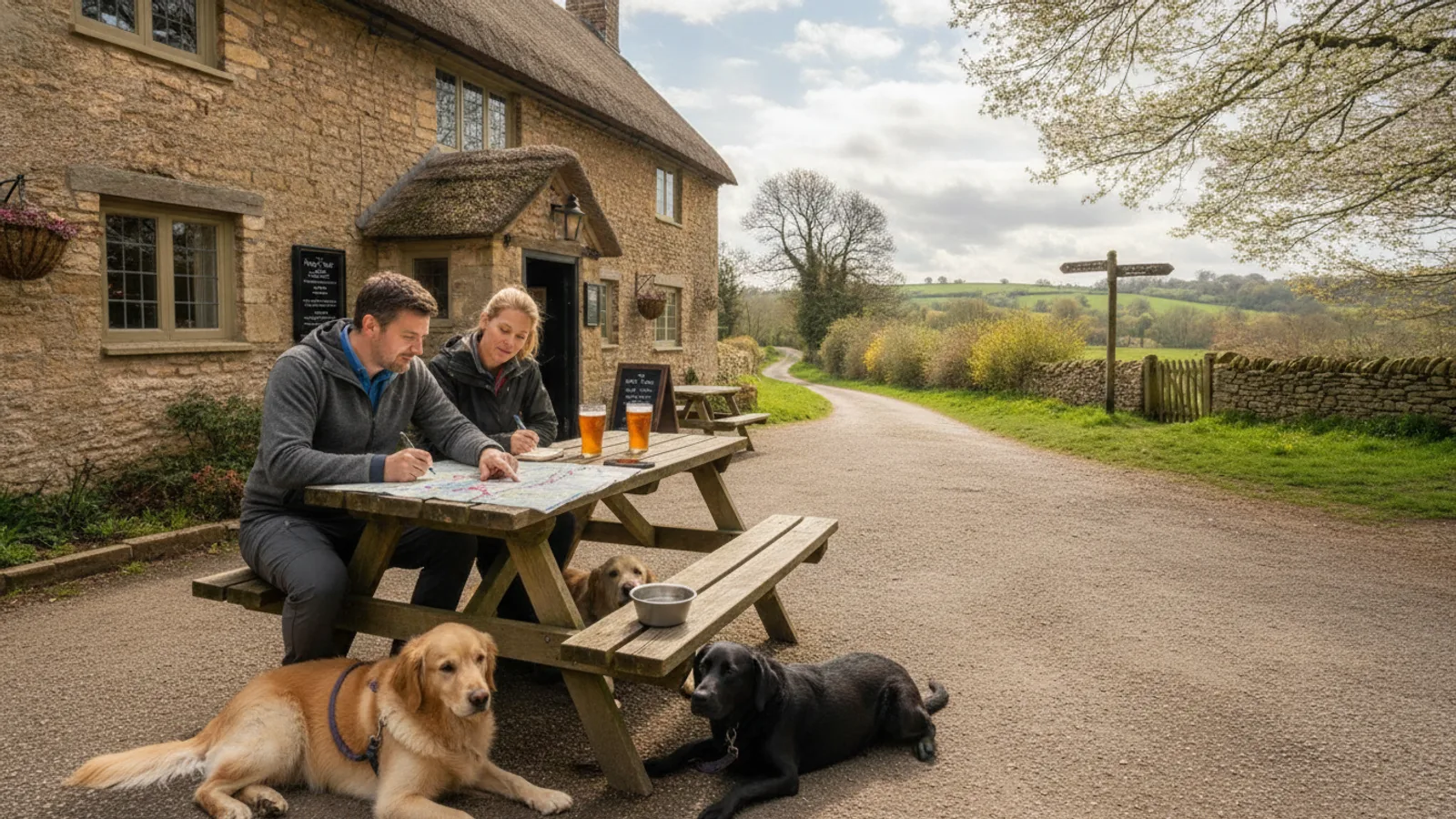
How To Plan A Dog Friendly Pub Walk With Sensible Route Notes
Plan a dog-friendly pub walk by combining a safe, enjoyable route with a pub that welcomes dogs. This guide helps you choose a suitable path, prepare your dog, pick a pub, and manage the walk and visit smoothly, with practical route notes and checks to ensure a pleasant outing for you, your dog, and other pub-goers.
Fast Answer
- Choose a circular route of 3–5 miles with pub stops, checking terrain and distance for your dog's fitness, and confirm the pub's dog policy beforehand.
- Pack water, a portable bowl, poop bags, a towel, and a short lead, and plan for rest breaks and a quiet pub spot for your dog.
Before You Start
- Check the weather forecast and plan for appropriate clothing and protection for you and your dog, such as a waterproof coat or cooling vest.
- Familiarise your dog with basic commands like 'sit', 'stay', 'and 'leave it' to ensure good behaviour around the pub and on the walk.
- Inform the pub in advance of your visit, especially if you have a group, to confirm they can accommodate you and your dog comfortably.
- Pack a small first-aid kit for both you and your dog, including bandages, antiseptic wipes, and tweezers for ticks.
Step-by-Step Instructions
Choose a Dog-Friendly Route
Select a circular walk that is appropriate for your dog's age, breed, and fitness level. Look for paths with a mix of terrain, such as woodland, fields, and canal towpaths, which offer interest and natural surfaces that are gentle on paws. Use a local walking guide or online route database that is up-to-date, and check for stiles, gates, and busy roads that may be challenging with a dog. Aim for a distance that your dog can comfortably manage, typically 3–5 miles for a healthy adult dog, but adjust based on your dog's needs. Ensure the route has a pub at the halfway point or at the end, and that the pub is dog-friendly. Verify the pub's policy by checking its website or calling ahead; some pubs allow dogs only in certain areas, or have restrictions during meal times.
Assess the Pub's Dog Policy
Before setting off, research and choose a pub that actively welcomes dogs. Call the pub and ask about their dog policy: Are dogs allowed indoors? Are there water bowls and treats provided? Is there a dedicated dog-friendly area? This is important because some pubs allow dogs only in outdoor seating or in a specific bar area, and you need to respect their rules to avoid being turned away. Also, check if there is a beer garden with shade and water. Confirm the pub's opening hours, and if you plan to eat, check if they have a dog-friendly menu or if they allow dogs during food service. Ask if they can reserve a table in a quiet corner to minimise stress for your dog. This preparation ensures a warm welcome and a pleasant stop.
Plan a Sensible Route with Notes
Create a route plan with detailed notes before you leave. Use a map and note key waypoints, such as the start point, the pub, and any scenic viewpoints. Estimate the time you will spend walking, considering your dog's pace and rest breaks. Include notes on potential hazards like stiles, sheep fields, or busy roads, and plan how you will manage them, such as lifting your dog over a stile or using a lead near livestock. Note the locations of public water fountains, but do not rely on them; you should carry fresh water for your dog. Also, note the pub's location so you can plan your arrival time. Write down your planned route and share it with someone, so they know your itinerary. Finally, download or print the route notes, including the pub's contact information, for easy reference during the walk.
Prepare Your Dog for the Walk
Before setting out, ensure your dog is fit for the planned walk. Give your dog a light meal two hours before the walk to avoid digestive upset, and make sure they have had a chance to go to the toilet. Check your dog's paws for any cuts or injuries, and trim long fur between the toes to prevent matting and reduce the chance of picking up debris. If your dog is prone to overheating, plan to walk during cooler parts of the day and take breaks in shaded areas. Pack a dog-specific first-aid kit, including bandages, antiseptic wipes, and tweezers for ticks. Bring a towel to dry a wet or muddy dog, and a blanket for them to lie on at the pub. A short lead, not retractable, is essential for safety in tight spaces and around the pub, and ensure your dog's ID tag is up to date.
Walk Safely with Pit Stops
On the walk, maintain a steady pace that suits your dog, and take short breaks every 30–40 minutes to let your dog rest and have a drink. Offer small amounts of water regularly, but not too much at once. Keep an eye on your dog's energy levels and look for signs of fatigue, such as lagging or excessive panting. If your dog looks tired, be prepared to shorten the route or turn back. When you encounter other walkers or dogs, keep your dog on a lead and allow a polite greeting if both dogs are calm. Watch out for hazards such as broken glass, discarded fishing lines, or toxic plants like ragwort. Dispose of dog waste properly, using poop bags and a bin. This ensures a safe, clean walk and avoids conflicts with other park users.
Enjoy the Pub Interlude Responsibly
When you reach the pub, take a few minutes to let your dog relax and have a drink in the outdoor area if possible before going inside. When entering, keep your dog on a short lead and avoid walking between tables. Choose a seat that is away from high-traffic areas, such as a corner spot or a table under an umbrella. Place a blanket on the floor for your dog to lie on, and provide a chew toy or a treat to keep them occupied. Never feed your dog from your plate, as human food can be harmful. If your dog becomes anxious or noisy, be ready to leave and find a quieter spot outside. After your meal, allow your dog a short walk to stretch their legs before heading back. This respectful approach ensures a pleasant experience for everyone and improves the chances that you and your dog will be welcomed back.
Quick Reference
| Situation | Action | Why it helps |
|---|---|---|
| You arrive at the pub, but the inside is crowded and noisy. | Ask the staff if you can sit in a quieter area, such as a side room or an outdoor bench, and keep your dog close on a lead. | Crowds and noise can overwhelm dogs, so a quieter spot helps your dog stay calm and reduces the chance of a troublesome reaction. |
| Your dog starts panting heavily and lagging behind on a hot day. | Stop immediately, find shade, offer water, and let your dog rest for at least 10 minutes. Consider cutting the walk short. | Heavy panting and lagging are signs of overheating or exhaustion; early intervention prevents heatstroke or injury. |
| You approach a field with sheep or cattle ahead, and your dog is off-lead. | Call your dog back, put them on a lead immediately, and keep a safe distance from the livestock while passing. | Livestock may charge if threatened, and a dog's chase instinct can cause harm to the animals, lead to fines, or put your dog in danger. |
Common Issues
- The pub has no dogs allowed indoors, despite what you thought.: Plan for an outdoor table, or have a backup pub nearby that permits dogs. Alternatively, enjoy your own picnic but check if that is allowed on pub premises.
- Your dog refuses to walk any further after a short distance.: Rest for 15 minutes, offer water, and then turn back. Consider that your dog might have a paw injury or is simply not fit for the distance. Check paws and adjust future plans.
- You cannot find a tap to fill your dog's water bowl.: Carry extra water and use a collapsible bowl. Ask at the pub if they can top up your bottle, as most are happy to help.
Advanced Tips
- Use a GPS-enabled walking app to track your route and note waypoints, but download offline maps in case you lose signal.
- Train your dog to walk calmly on a loose lead before the day, using a no-pull harness if needed to make the experience enjoyable for both.
- Time your arrival at the pub during off-peak hours, such as early lunch or late afternoon, to avoid the busiest periods.
- Bring a long line (10–15 meters) for safe off-lead exploring in open areas, but always check local byelaws first.
- Carry a small dry sack for muddy leads or towels, keeping your pack clean and organised.
Final Checklist
- I have selected a circular route that is appropriate for my dog's fitness - I verified the distance and terrain.
- I confirmed with the pub that dogs are welcome and I know their specific policy - I called ahead or checked their website.
- I packed all essentials: water, portable bowl, poop bags, towel, short lead, and a first-aid kit - I checked my bag before leaving.
- I shared my route plan with someone and my phone is fully charged - I have a backup plan if needed.
FAQ
What is the ideal length for a dog-friendly pub walk?
The ideal length depends on your dog's age, breed, fitness, and experience. For a healthy adult dog, a walk of 3 to 5 miles with a stop at a pub is often a good goal. However, a young puppy or older dog may only manage one mile. Start with shorter distances and gradually increase the mileage, given your dog's enthusiasm and stamina. Always watch for signs of fatigue.
How can I find dog-friendly pubs along my route?
Many online directories and apps specialise in dog-friendly venues. You can also search on general review sites and filter by 'dog friendly'. However, policies can change, so always call the pub directly to confirm they allow dogs and ask about any specific rules. Additionally, local walking groups or communities often recommend pubs that are genuinely dog-friendly.
What should I do if my dog gets anxious or barks in the pub?
If your dog becomes anxious, first try to move to a quieter spot and give them space. Offer a favourite toy or treat to divert attention. If the behaviour continues, be prepared to leave the pub. Step outside with your dog until they calm down, then decide whether to re-enter or head home. Never force a dog into a stressful situation; a walk without a pub stop is better than a stressful visit.