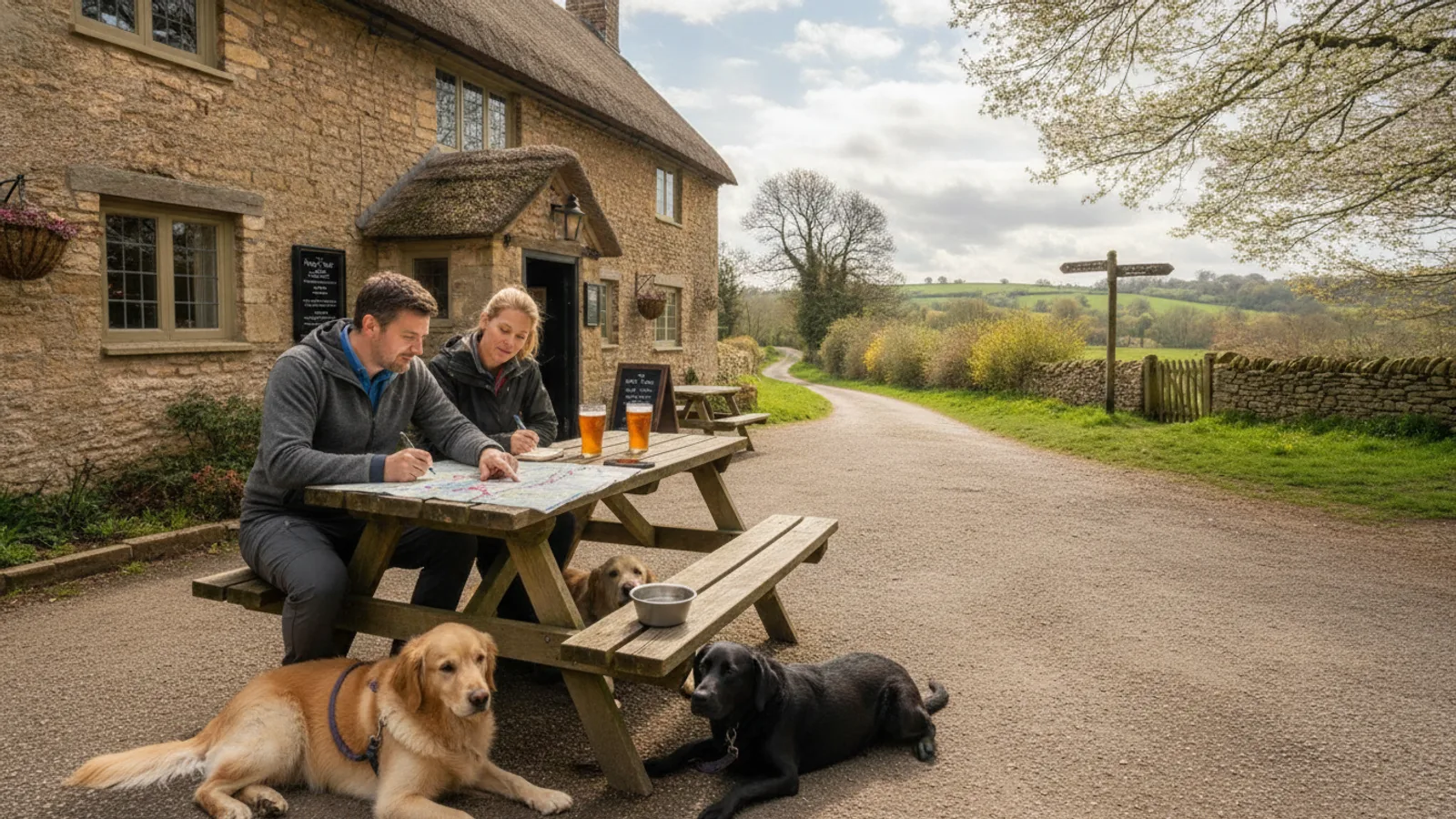
How To Plan An Autumn Pub Walk With Muddy Path Preparation
A practical step-by-step guide to how to plan an autumn pub walk with muddy-path preparation, including preparation, instructions, common issues, tips, and next steps.
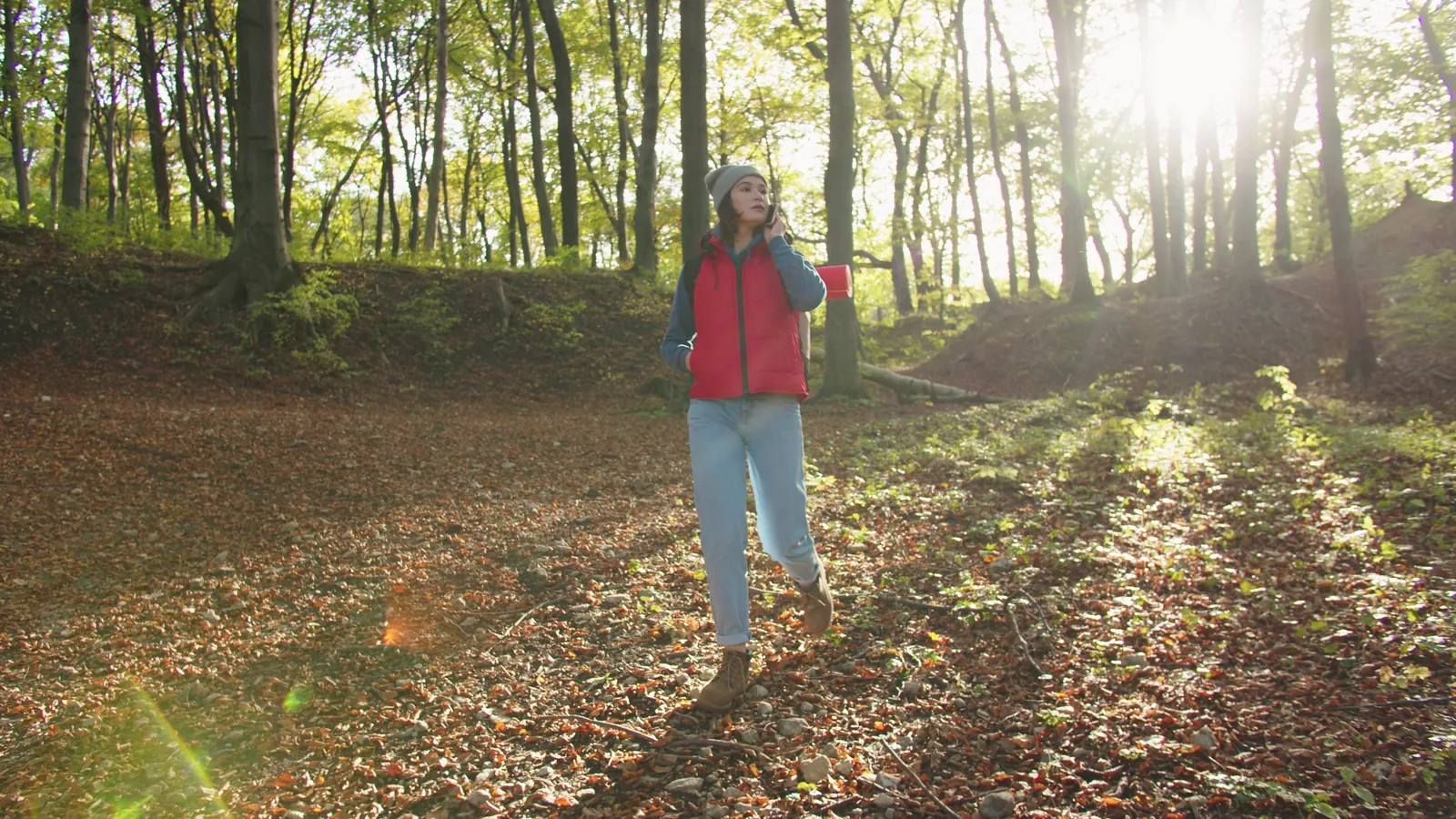
How To Plan An Autumn Pub Walk With Muddy Path Preparation
This guide helps you arrange an autumn pub walk that stays enjoyable despite mud, rain, and shorter daylight. You will learn how to choose a route and pub, prepare your clothing and gear, manage slippery paths, and handle common problems. The focus is on practical preparation so everyone stays comfortable, safe, and upbeat, even when the weather turns messy.
Fast Answer
- Pick a circular route with a pub at the midpoint or end, check the weather forecast, and tell everyone to bring waterproof boots and layers.
- Plan for mud by choosing well-drained paths, starting early, and carrying a small towel and spare socks for the pub stop.
Before You Start
- Check the weather forecast the morning of the walk and decide whether the route is safe, especially if heavy rain is expected.
- Choose a pub with a drying area or a boot room, and call ahead to confirm they welcome muddy walkers.
- Tell every walker to wear waterproof boots with good grip, and to bring a change of socks in a dry bag.
- Pack a compact first-aid kit, a paper map or downloaded offline map, and a power bank if you rely on a phone.
Step-by-Step Instructions
Choose a Suitable Route and Pub
Start by selecting a circular route of about five to eight miles that includes a pub near the halfway point or at the end. Use a walking app or a paper map to check the terrain; look for paths that stay on high ground and avoid flood-prone valleys. Confirm the pub is open on the day you plan to go, and ask if they have a space for wet coats and muddy boots. A route with a mix of woodland and field edges often holds up better than open farmland paths, which turn to thick mud quickly. Before you commit, read recent walk reports from local ramblers to see if any sections are known to flood. Also, note the pub’s opening hours, as some rural pubs close between lunch and evening service. If the route is linear, arrange a designated driver or check bus times that align with the walk. Finally, share your planned route and estimated finish time with someone who is not joining the walk.
Check the Weather and Plan Timing
The morning of the walk, check the local forecast for rain, wind, and temperature. Aim to start early, ideally by nine or ten, to use daylight fully and avoid the wettest part of the afternoon if showers are predicted. If heavy rain is forecast, postpone to another day; do not assume it will pass. Plan your pace so you reach the pub by one or two in the afternoon, leaving plenty of time to finish before dusk. Also, check sunset time for your exact location, and plan to be off the paths at least an hour before dark. While rain is the main concern, wind can bring down branches, so avoid walking through dense woodland on very windy days. If the weather is changeable, bring layered clothing and a packable waterproof jacket, and tell everyone to do the same. Remember that temperatures drop quickly in autumn, especially on exposed hills, so factor in wind chill when choosing what to wear.
Gear Up for Mud and Wetness
Wear waterproof walking boots with deep treads, and avoid shoes with smooth soles. For socks, choose wool or synthetic blends, not cotton, because cotton stays cold and heavy when wet. Bring a small daypack with a waterproof cover, and inside a dry sack with a spare pair of socks and a lightweight pair of gloves. Carry a compact towel or a bandana to wipe off mud before entering the pub. Also, pack a small tube of blister plasters and a basic first-aid kit. If you use trekking poles, they help with balance on slippery slopes, but practice with them before the walk. For your phone, keep it in a waterproof case or a ziplock bag. Finally, wear bright colours or a hi-vis vest if the route crosses roads, as autumn light can be dull and drivers may not see you. Check that everyone has their own gear, and do not assume others will have spare socks.
Start with a Mud-Proof Mindset
Before setting off, gather everyone and agree on a comfortable pace and a rule: no one walks alone, and the slowest sets the speed. Begin by walking on firmer ground, such as grass verges or gravel, to warm up; do not plunge straight into the muddiest fields. When you do encounter mud, step on tufts of grass, exposed roots, or stones, and avoid the centre of the path where water and mud collect. if you are leading, check behind you occasionally to make sure the group is together, especially on narrow paths. At the start, also set a milestone for the first short break, perhaps after thirty minutes, to adjust layers and check for any hot spots on feet. During this break, make sure everyone has water and a high-energy snack. Also, remind the group to keep their phones on silent but with them accessible, not buried in bags, in case of separation.
Navigate Slippery Sections Safely
When you reach a steep, muddy slope, do not climb straight up the centre; take a zigzag route to reduce the angle. Keep your weight over your feet, bend your knees slightly, and place each foot fully before moving the next. If you feel a foot slide, sit down quickly into a controlled slide to avoid falling backward. For descents, face outward and use small steps, keeping your knees bent. In deep mud, try to step on logs or roots if they are stable, but avoid rotted wood because it can give way. If a section is extremely slippery, consider going around it through the field edge, but check for fences or crops first. At streams, use any bridge even if it looks longer; do not attempt to jump over a muddy gap. If you have trekking poles, use them as a third leg, but do not rely on them for full support. Remember that wet leaves and wooden boardwalks can be as slippery as ice.
Enjoy the Pub and Handle Mud Gracefully
Arrive at the pub with a plan: leave muddy boots at the entrance if there is a boot rack, or use the towel to wipe off big clumps before stepping inside. Ask if you can sit in a designated area for walkers, often near the bar or in a side room. Refuel with a hot drink and a hearty meal, but do not overdo it, because you still have miles to go. While at the pub, rehydrate with water and check your feet for any friction points; apply blister plasters if needed. If you are wet, use the pub’s drying room or hang your waterproof jacket on a hook, not on a chair. use the time to also check the weather radar again for any changes. When you are ready to leave, repack your bag and ensure you have your torch and phone. Remember to thank the staff and, if possible, buy a drink or snack to support the pub, as many remote pubs rely on walker trade.
Quick Reference
| Situation | Action | Why it helps |
|---|---|---|
| Encountering a wide patch of deep, slippery mud on a flat path | Stop, look for a detour around the edge on grass, or follow a line of boot prints that appear firmer; if you must cross, step on tussocks and test each foothold before shifting weight. | This reduces the chance of sinking into mud or slipping, and it keeps your boots cleaner, which makes the pub stop more comfortable. |
| Starting to feel a hot spot or blister on your heel during the walk | Stop immediately, remove your boot and sock, dry the area, apply a blister plaster, and add a piece of tape over the plaster to keep it in place. Then re-lace your boot snugly. | Treating a hot spot early prevents it from becoming a painful blister that could force you to cut the walk short or cause limping on later slopes. |
| Heavy rain starts with no shelter nearby and two miles to the pub | Put on your waterproof jacket and pack cover, stop to adjust layers so you are not too sweaty, and keep walking at a steady pace. Look for a dense tree canopy or an abandoned barn if lightning is not a risk. | Staying dry and moving briskly keeps you warm and reduces the risk of hypothermia, while seeking cover only if safe prevents getting soaked through. |
Common Issues
- Boots become caked in thick clay mud that is hard to remove before entering the pub.: Use a sturdy stick or a dedicated boot scraper at the pub entrance, or carry a small plastic scraper on your pack. If no scraper is available, wipe your feet on rough grass and then use a towel to remove the rest.
- A walker in your group has no waterproof clothing or wears cotton socks.: Before the walk, lend them a spare waterproof jacket or suggest they buy a cheap poncho. If they wear cotton socks, offer a spare wool pair and advise changing into them immediately, because cotton cools the feet and increases blister risk.
- The path becomes flooded or impassable due to a swollen stream.: Do not attempt to cross. Turn back to the nearest road and take a detour using a map or GPS, even if it adds miles. If you are unsure, walk to a higher vantage point and call the pub or a taxi for pick-up at a safe meeting point.
Advanced Tips
- For chronically wet sections, pack lightweight gaiters that cover the top of your boots, keeping stones and water out and reducing the need to stop and empty your boots.
- Learn to read the ground: mossy stones and dark, shiny mud indicate slippery areas, while drier-looking packed earth may still be soft underneath, so test with a pole or heel.
- Time your pub stop for the early afternoon, as many walkers prefer a late lunch, which means you can get a seat and a warming fire without a crowded, damp atmosphere.
Final Checklist
- Check weather forecast and postpone if heavy rain or high winds are expected.
- Confirm the pub is open and has a place for muddy boots and wet coats.
- Pack waterproof boots, spare socks, a towel, blister plasters, and a small first-aid kit.
- Share your planned route and estimated return time with someone not on the walk.
FAQ
What should I do if I do not own proper waterproof boots for the walk?
You do not need to buy expensive boots; you can wear rubber wellies that come up to mid-calf, as they are fully waterproof and have good grip for mud. However, wellies are not ideal for long or hilly routes because they can rub and lack ankle support. For a moderate walk, a pair of sturdy hiking shoes with a waterproofing spray can work if you stick to firmer paths. If you plan to walk regularly, borrowing a pair of boots from a friend is a good first step before investing.
How do I know if a path is too muddy to attempt?
If the path turns into sticky mud that clumps and makes every step a heavy pull, or if you see deep boot prints saturated with water, it is best to avoid it. Also, if the path becomes a stream with running water, turn back. A good rule is to check the local weather and read recent online reviews from other walkers; if they mention 'sinking mud' or 'flooded' in the last day, choose an alternative route on higher ground or rocky terrain.
What is the best time of day to start an autumn pub walk to avoid the worst mud?
Start early in the morning, around nine or ten, because the ground has had overnight time to drain and is usually firmer after the daytime sun has evaporated some moisture. Night or early afternoon after heavy rain is the worst time, as the mud is freshly churned and slippery. Also, starting early gives you flexibility for a longer, unhurried lunch and still finishes before dark, which is especially important in autumn when daylight fades quickly.