An Autumn Pub Walk With Muddy Path Preparation Checklist For First Time Readers
A practical step-by-step guide to an autumn pub walk with muddy-path preparation checklist for first-time readers, including preparation, instructions, common issues, tips, and next steps.
An Autumn Pub Walk With Muddy Path Preparation Checklist For First Time Readers
This guide helps first-time readers prepare for an autumn pub walk, focusing on muddy-path readiness. It covers essential clothing, footwear, navigation, and safety tips, along with a step-by-step approach to planning and enjoying the walk, plus troubleshooting common issues and advanced advice for a rewarding experience.
Fast Answer
- Wear waterproof boots with good grip and gaiters to keep mud out, and carry a change of socks.
- Check the weather forecast and trail conditions before you go, and tell someone your route and expected return time.
Before You Start
- Choose waterproof, breathable footwear with deep lugs for traction; consider mid-cut boots for ankle support on uneven, muddy terrain.
- Layer clothing: a moisture-wicking base, insulating mid-layer, and a waterproof outer shell to stay dry and warm in changing autumn weather.
- Pack essential items: map, compass or GPS device, headlamp, whistle, first-aid kit, snacks, water, and a fully charged phone in a waterproof case.
- Check the pub's opening hours and booking policy, and plan your route to finish before dark, accounting for shorter daylight hours.
Step-by-Step Instructions
Choose a Suitable Pub and Route
Start by selecting a pub that is accessible by a footpath you are comfortable with, ideally one that is well-marked and not too long for your fitness level. Look for online route descriptions or local walking group recommendations, but verify the details with a map. Consider the terrain: if you are a beginner, opt for a route with gentle slopes and avoid areas known for deep mud after rain. Check if the pub allows muddy boots or has a designated area for storing them. Planning a route that ends at the pub by early afternoon gives you time to enjoy a meal before heading home in daylight. This reduces risks associated with walking in the dark and ensures you can fully relax after your walk.
Check Weather and Trail Conditions
On the morning of your walk, check the local weather forecast, including rainfall and wind speed, and look for any trail closure warnings from the local authority or landowner. If heavy rain has fallen in the past two days, expect mud and possibly flooded sections. Call the pub or check their social media for real-time updates on path conditions, as they often know the local area well. Adjust your start time accordingly; if the forecast predicts rain, start earlier to finish before the worst of it. Be prepared to change your route or postpone if conditions are unsafe. This proactive check ensures you are not caught off guard by sudden weather changes, which is especially important in autumn when storms can arrive quickly.
Dress in Layers and Wear Appropriate Footwear
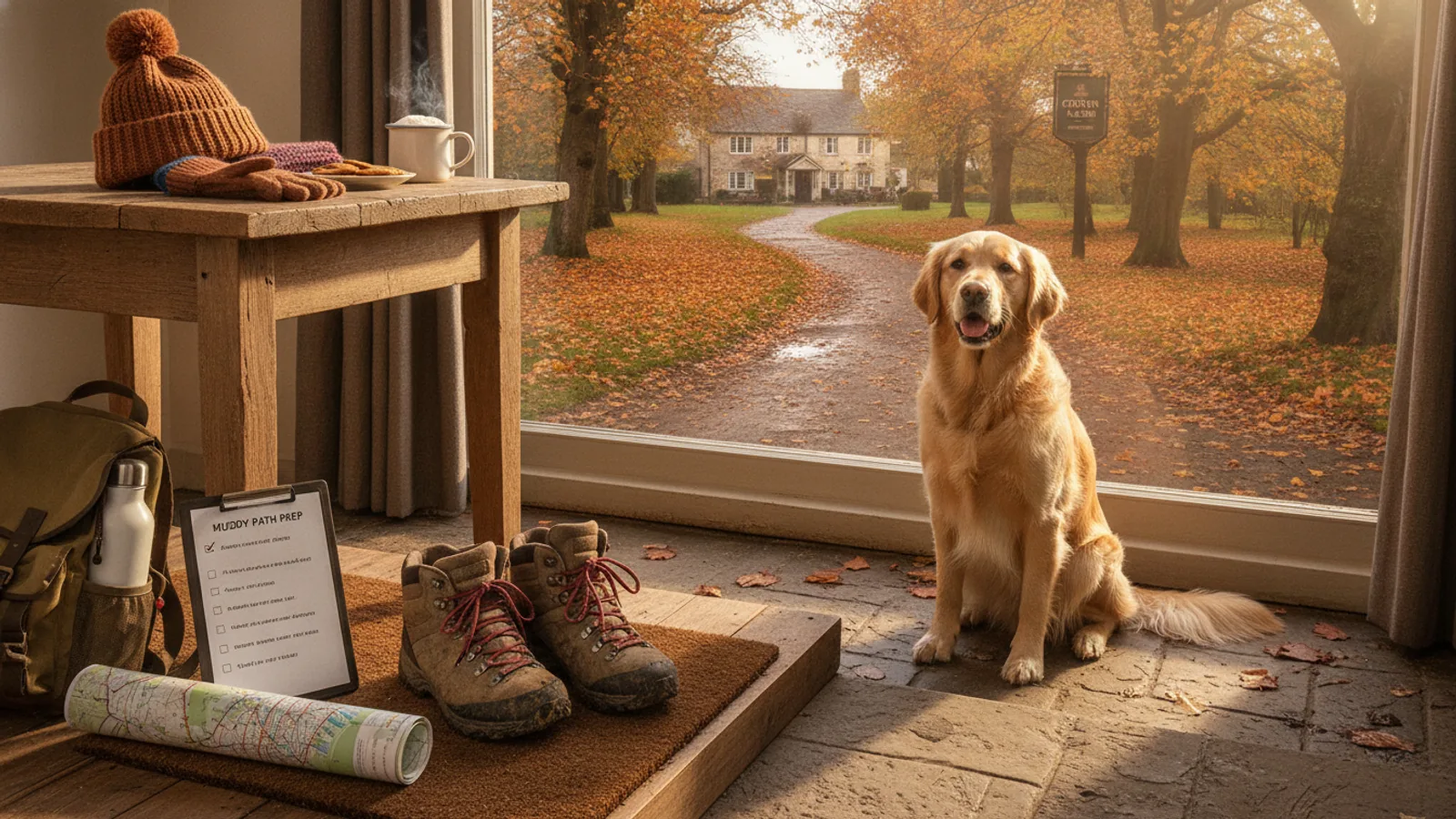
Put on a moisture-wicking base layer to keep sweat away from your skin, an insulating mid-layer such as a fleece for warmth, and a waterproof and breathable outer shell to protect against rain and wind. Avoid cotton as it retains moisture and can make you cold. For footwear, choose waterproof boots with a sturdy sole and deep treads for grip on slippery mud. Consider gaiters to keep mud and water out of your boots. Break in new boots before the walk to prevent blisters. Wear wool or synthetic socks that wick moisture, and bring a spare pair in a dry bag. Proper clothing and footwear are your first defense against discomfort and cold, which can lead to hypothermia if you are wet and chilled for an extended period.
Pack Essential Gear and Supplies
Assemble your daypack with navigation tools like a map and compass, or a fully charged GPS device with spare batteries or a power bank. Bring a headlamp or torch in case you are delayed, plus a whistle and a basic first-aid kit. Carry enough food and water for the walk, adding extra in case of an emergency; high-energy snacks like nuts and dried fruit are good choices. Pack a fully charged phone in a waterproof case, but remember that signal may be unreliable in rural areas. Also include a small multi-tool, a lighter or matches in a waterproof container, and a space blanket for emergency shelter. These items ensure you can handle unexpected situations, from getting lost to a sudden drop in temperature.
Follow the Path and Navigate Safely
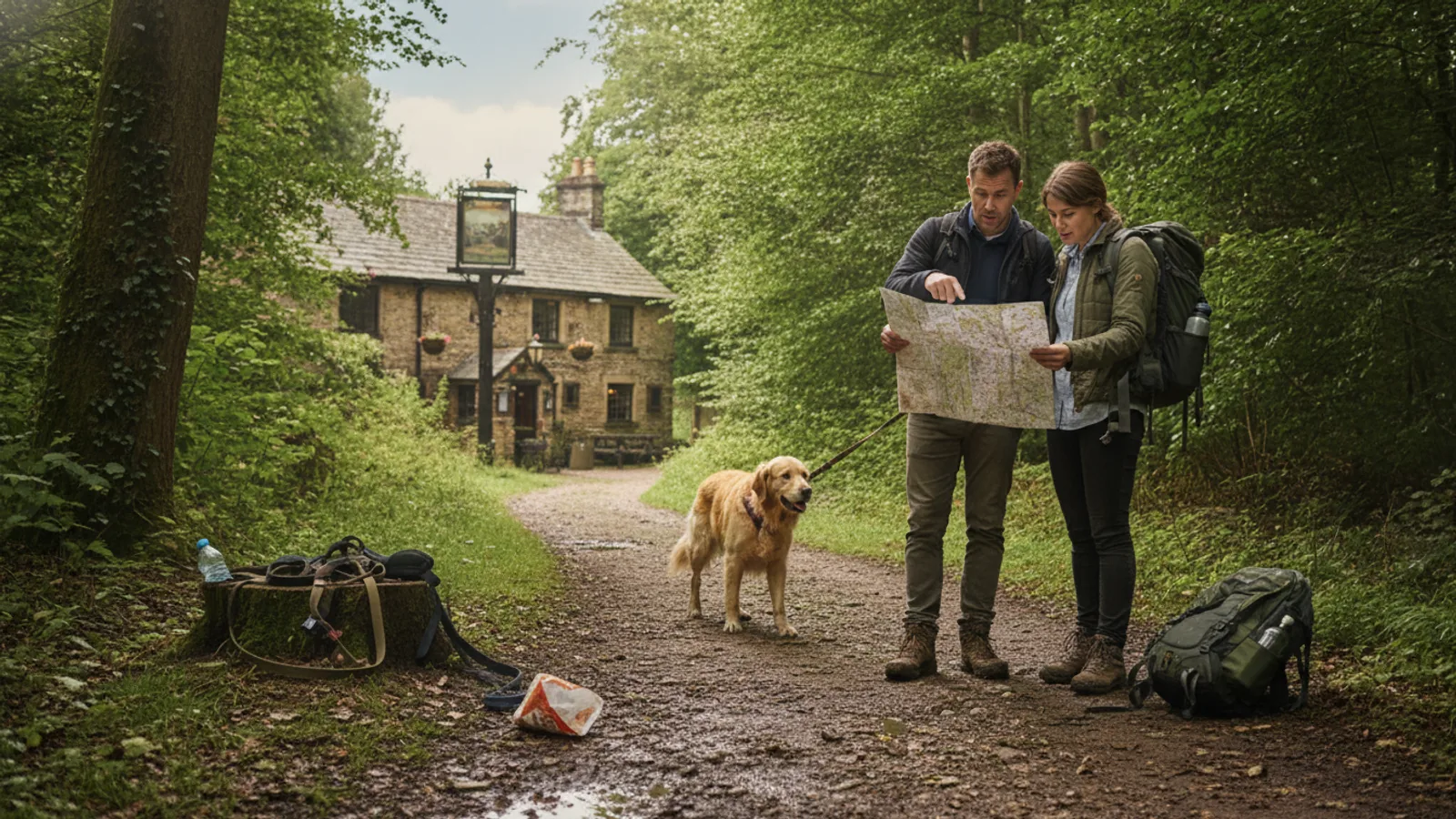
Begin your walk at a steady pace, keeping an eye on the trail markers and checking your map or GPS regularly to confirm you are on the planned route. In muddy sections, test the ground before stepping to avoid slipping or sinking; walk on grassy edges if available, and use trekking poles for extra support. Stay on the established path to protect the environment and avoid hidden hazards like bogs or steep drop-offs. If you need to stop, step off the path to let others pass and to avoid blocking. Always keep track of your location by noting landmarks and using your compass. Good navigation prevents you from losing your way, which is especially critical in autumn when days are shorter and weather can change rapidly.
Arrive at the Pub and Clean Up
When you reach the pub, take off your muddy boots and outer layers before entering, using a boot scraper if provided. Change into dry socks and shoes if you have them, and put wet clothes in a waterproof bag. Store your gear in the designated area or ask staff for guidance. Wash your hands and then enjoy your meal, rehydrating with water or a warm drink. Consider choosing a hearty meal that provides energy for the journey home. Before leaving, check the weather and plan your return trip, which may be in the dark if you lingered. Leaving the pub clean and comfortable ensures a pleasant end to your walk and respects the establishment's facilities.
Quick Reference
| Situation | Action | Why it helps |
|---|---|---|
| You encounter a section of deep, sticky mud on the path | Look for a drier detour around the mud, stepping on grass or stones to avoid sinking, and use your poles for balance. | Stepping through deep mud can cause slips, wet boots, and even injury, so avoiding it is safer and keeps you dry. |
| The weather forecast changes suddenly to heavy rain and strong wind | Seek shelter immediately, such as a dense copse or a barn if accessible, and reassess whether to continue or turn back. | Sudden storms can cause flooding, falling branches, and hypothermia, so taking shelter and making a decision is critical for safety. |
| You realize you are off the marked path and unsure of your location | Stop, use your map and compass to identify your position, and if you cannot, retrace your steps to the last known point. | Panic leads to poor decisions, so stopping and calmly using navigation tools helps you regain your bearings and avoid getting more lost. |
Common Issues
- Boots become waterlogged despite being marketed as waterproof: Check the condition of your boots' seams and treat them with a waterproofing wax or spray before the walk. Also, use gaiters to prevent water entering from the top, and consider carrying a small drying agent like silica gel packs for emergencies.
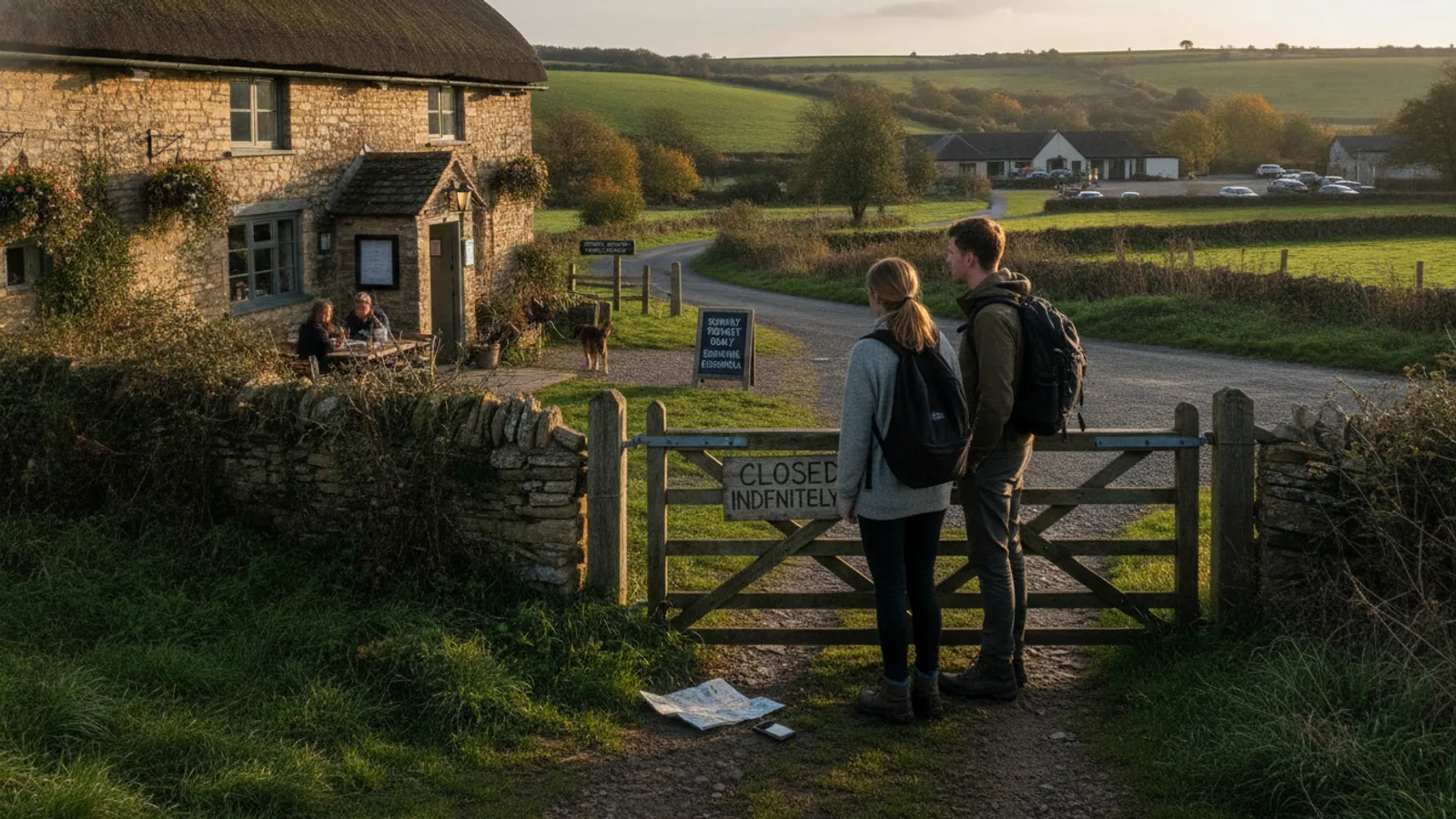
- The path is closed due to flooding or fallen trees: Have a backup route planned to the same pub or an alternative pub, and check local trail closures before starting. Be prepared to turn back and contact the pub to let them know of any delays.
- You feel cold and wet despite wearing layers: Change into dry clothing from your pack, including socks and a base layer, and have a warm drink to raise your core temperature. Seek shelter and consider ending the walk early if you cannot get warm.
Advanced Tips
- Learn to read a topographic map and use a compass without relying on GPS, as batteries can die or signals can be lost.
- Practice walking on muddy terrain with poles before the trip to improve your balance and reduce fatigue.
- Incorporate interval training and stair climbing into your fitness routine to build stamina for steep, slippery climbs.
Final Checklist
- Check weather forecast and trail conditions on the morning of the walk
- Pack all essential gear, including map, compass, headlamp, first-aid kit, and extra dry clothing
- Wear broken-in, waterproof boots with gaiters and moisture-wicking socks
- Inform a friend or family member of your route and expected return time
FAQ
What type of boots are best for muddy autumn paths?
Choose waterproof boots with a high ankle cut and a sole with deep lugs for grip. Leather or synthetic materials are both fine, but ensure they are breathable. Consider boots with a protective toe cap to shield against roots and stones hidden in mud.
How can I avoid slipping on wet leaves?
Walk slowly and test each step, especially on slopes or over roots. Use trekking poles for added stability. Avoid leaf-covered patches where possible, as they can hide slippery mud or ice. Wear footwear with good tread and consider using a slightly softer stride to reduce impact.
Should I carry a physical map if I have a GPS device?
Yes, always carry a physical map and compass in addition to any electronic device. Batteries can die, screens can crack, and signals can be lost. A map and compass are reliable and require no power, making them essential for safety in remote areas.