Common Mistakes When Planning A Country Pub Walk For A First Weekend Away
A practical step-by-step guide to common mistakes when planning a country pub walk for a first weekend away, including preparation, instructions, common issues, tips, and next steps.
Common Mistakes When Planning A Country Pub Walk For A First Weekend Away
Planning a country pub walk for your first weekend away can be a delightful escape, but common mistakes often turn a promising trip into a stressful ordeal. This guide walks you through the essential pitfalls to avoid, from inaccurate route mapping and poor timing to neglecting weather and local pub hours. You will learn how to prepare effectively, choose a walk that matches your fitness level, pack wisely, and handle unexpected issues. By following these steps, you will ensure a safer, more enjoyable experience that balances scenic adventure with the cozy reward of a countryside pub.
Fast Answer
- Check the pub's opening hours and whether they serve food on the day you plan to arrive, as many country pubs close in the afternoon and have limited kitchen hours.
- Download a detailed map or use a GPS app before you go, because mobile signal can be unreliable in rural areas and offline access prevents getting lost.
Before You Start
- Choose a circular route that is within your fitness level and that ends at the pub, ideally one that is well-marked and not too long for your first trip.
- Check the weather forecast for the entire day and plan for rain or wind, even if the morning is sunny, as conditions can change quickly in the countryside.
- Confirm the pub's opening hours and kitchen times for the specific day you will arrive, and if possible, book a table in advance to avoid disappointment.
- Tell someone your planned route and expected return time, and carry a basic first-aid kit and a power bank for your phone in case of emergencies.
Step-by-Step Instructions
Select a Suitable Walk Route
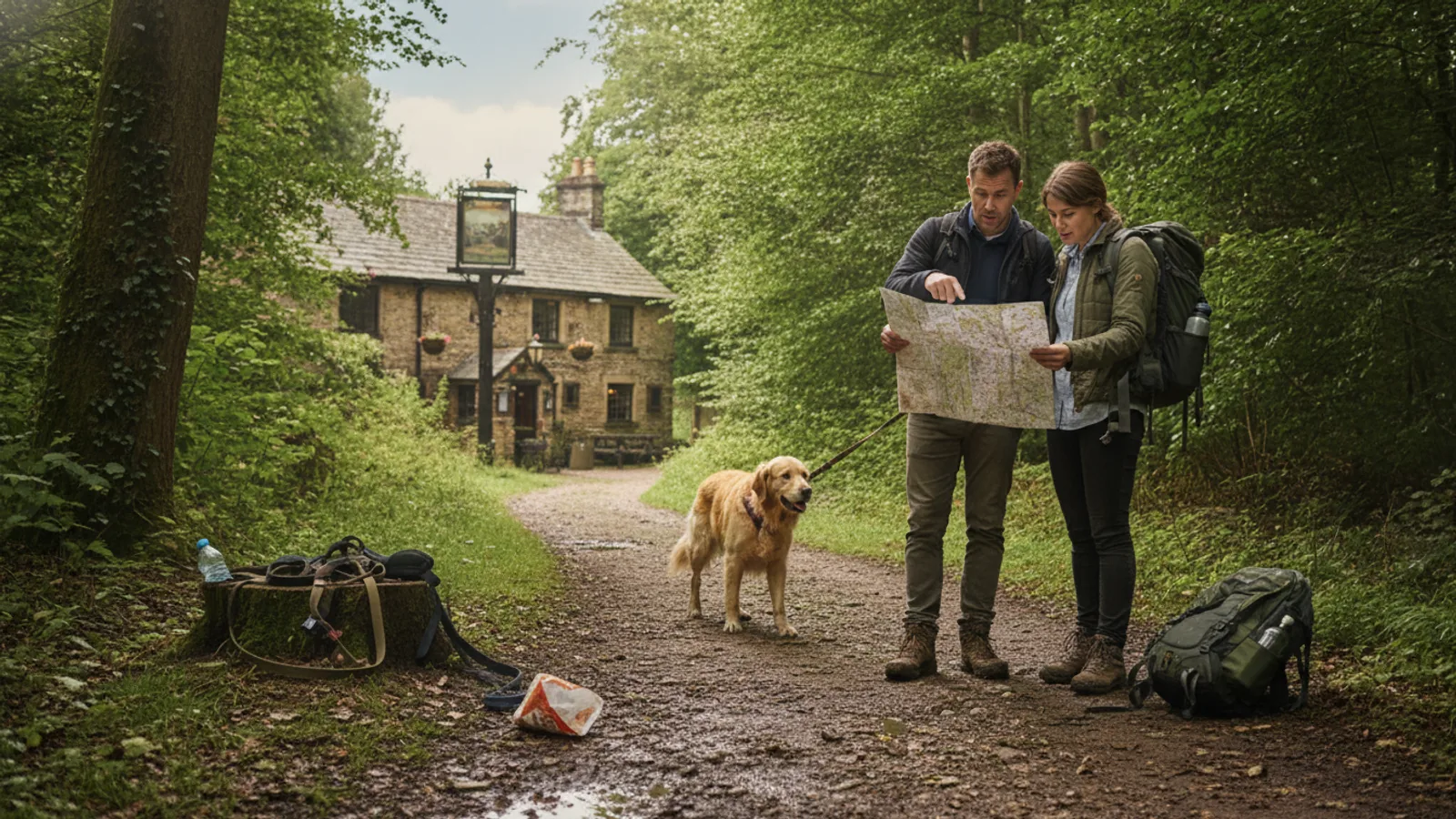
Begin by choosing a walk that suits your current fitness and experience. Look for a circular route that is about 5 to 8 miles (8-13 km) if you are a beginner, with gentle terrain and minimal steep climbs. Use a reliable guidebook or a dedicated walking app that offers offline maps. Verify that the route is well-trodden and has clear signage, especially at junctions. Check the total ascent and estimated time, adding at least 30% more time for rest stops, photo breaks, and unexpected delays. Print a paper map or take a screenshot of the route as a backup, because digital devices can fail. This preparation prevents mid-walk surprises and ensures you arrive at the pub in good time and good spirits.
Verify Pub Opening Hours
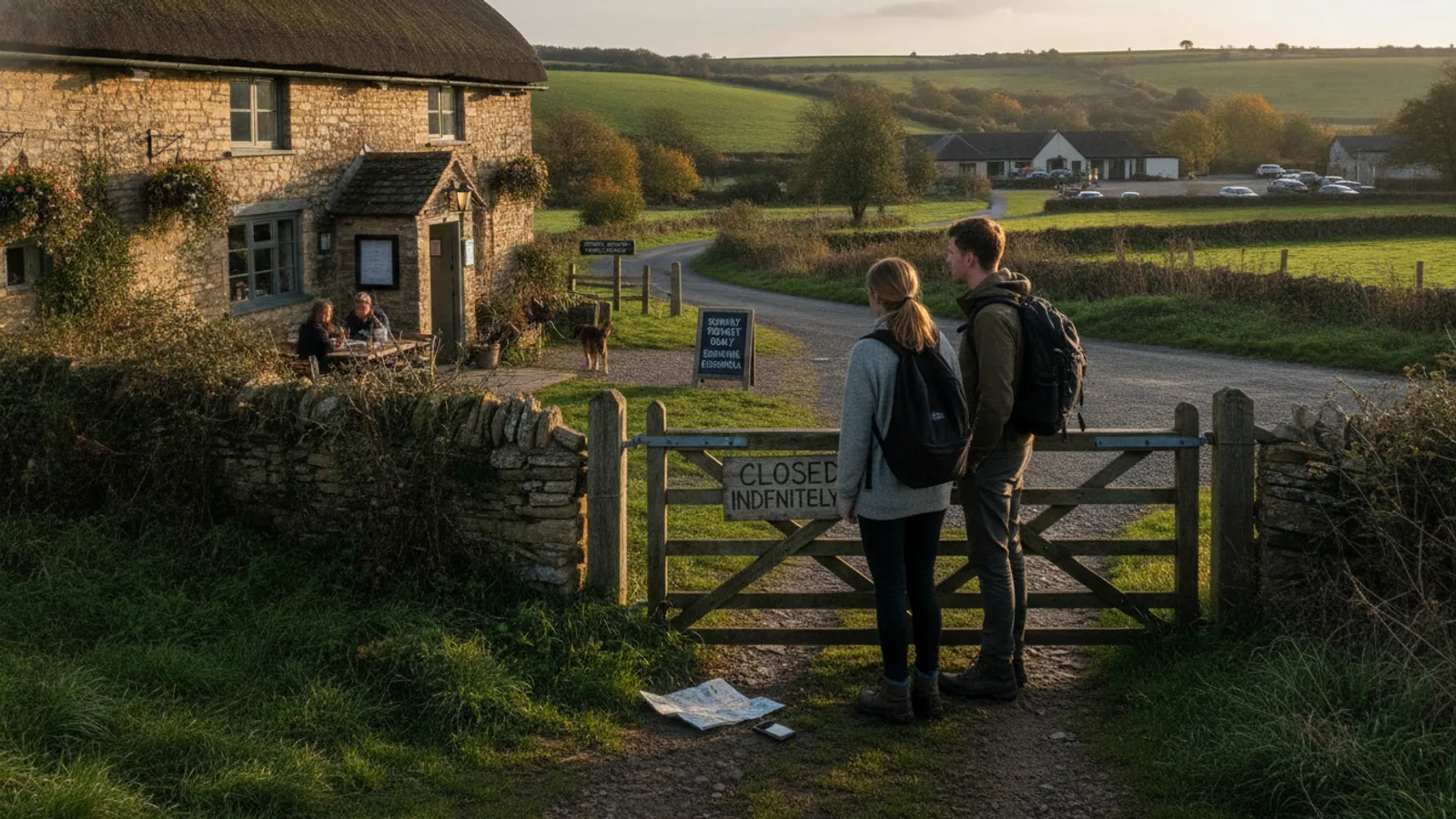
Country pubs often have unpredictable hours, especially outside tourist seasons. Call or check the pub's website or social media for the specific date of your visit. Note the kitchen closing time, which may be earlier than the bar closing time. For example, a pub might close at 11 PM but stop serving food at 2:30 PM on a weekday. If you plan to have lunch, aim to arrive by 1 PM. On weekends, kitchens may close between 3 PM and 6 PM. If you are hiking in winter, remember that many pubs close completely on certain days. By verifying these details in advance, you avoid the disappointment of finding a locked door and an empty stomach after a long walk.
Check the Weather Forecast Thoroughly
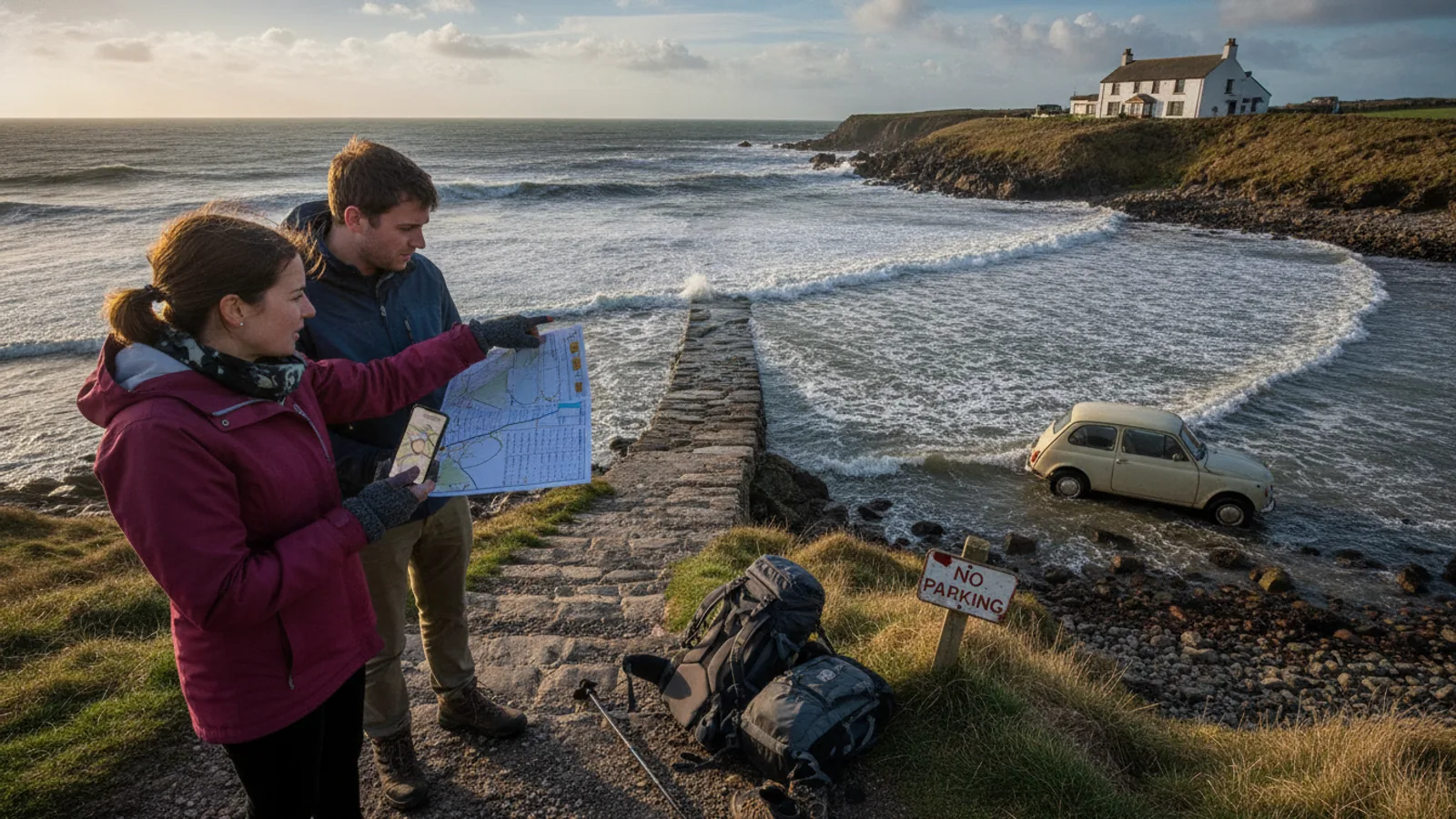
The weather in the countryside can shift dramatically within a few hours. Check a detailed forecast for the exact area, not just the nearest town, and look at wind speeds, chance of rain, and temperature at different altitudes. Plan to dress in layers, starting with a moisture-wicking base layer, then an insulating mid-layer, and finally a waterproof and breathable outer shell. Always pack a hat and gloves, even in summer, as mountain tops can be cold. Also, be aware that rain can make paths muddy and slippery, so adjust your route or pace accordingly. If the forecast is severe, postpone your trip; a pub walk is not worth risking your safety.
Pack Essential Gear and Supplies
Beyond the usual walking gear, pack for the pub stop: a change of socks and perhaps a light shirt or fleece, as you may be sweaty or wet. Bring a small towel to dry off if it rains. Also, pack snacks and water, even though you will eat at the pub, because you might get hungry on the trail. Your backpack should weigh no more than a few kilograms; include a map, compass, whistle, headlamp (even for daytime walks), and a basic first-aid kit. A power bank is vital because you will rely on your phone for navigation. Remember that you will be carrying all this for hours, so keep it minimal but sufficient. This preparation ensures comfort and safety.
Set a Realistic Timetable
Calculate your walking speed realistically. Most people walk about 3 miles per hour on flat terrain, but add time for stops, lunch on the move, difficult sections, and photo opportunities. A common mistake is to underestimate the time, leading to a rushed, stressed trip. Plan to start your walk early in the morning, say by 9 or 10 AM, to have plenty of daylight. Aim to reach the pub by 1 or 2 PM for lunch, giving you at least an hour to rest. Always build in a buffer of 30-45 minutes for unexpected delays. If you miss your target time, check the pub's closing time and consider skipping part of the route to get there in time.
Plan for Emergencies and Navigation
Even on a short walk, you might encounter an injury, severe weather, or a wrong turn. Before setting off, study the route on a map and note the locations of possible escape points or roads that lead to the pub. Carry a whistle and know the international distress signal (six blasts). If you get lost, stay calm and use your map and compass to backtrack to the last known point. If you cannot find your way, call emergency services, providing your location from a GPS app or a landmark. Have a list of emergency numbers stored in your phone, and know the nearest village or road. This preparedness gives you confidence.
Quick Reference
| Situation | Action | Why it helps |
|---|---|---|
| You arrive at the pub at 3 PM and find the kitchen closed. | Apologize politely, then ask if there is a nearby alternative, such as a café or a village shop that sells sandwiches. Use your phone's maps to find the nearest option. | Kitchen hours often differ from bar hours, and having a backup plan ensures you have a meal even if the pub cannot serve you. |
| The weather turns suddenly while you are walking, with heavy rain and strong winds. | Stop and assess. Put on your waterproof layers, check your map for a shortcut or escape route, and if visibility is poor, find shelter for a few minutes. If conditions worsen, do not hesitate to turn back or head for the nearest road. | Your safety is more important than completing the walk, and changing plans early prevents getting stranded in dangerous conditions. |
| You realize your phone battery is low and you have no map or compass. | Stop and use your phone to look at the route from the beginning, and try to remember the last known junction. Look for trail markers or path signs. If you are truly lost, stay put, make yourself visible, and call for help using your voice or whistle. | Acting calmly and using your memory and the environment can often help you retrace your steps; panic leads to poor decisions. |
Common Issues
- The walk takes longer than expected, and you miss the pub's lunch service.: Before you leave, decide to start earlier, skip lengthy rest stops, or choose a shorter walk. If you are behind schedule, consider cutting a loop section short by taking a direct footpath to the pub, if available.
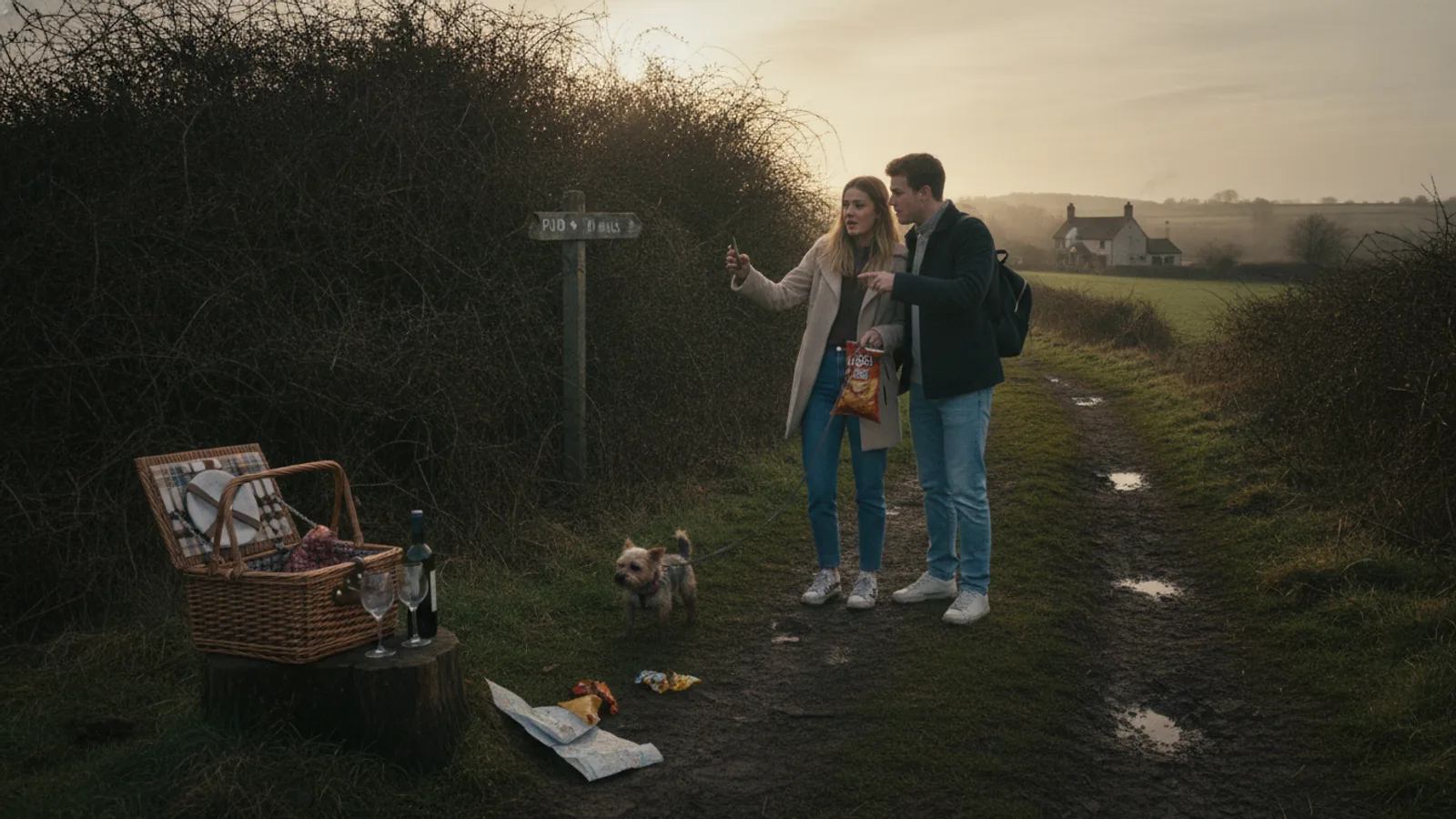
- The route is unclear and you suffer from poor signage, leading to wrong turns.: Use a GPS tracking app with downloaded maps and follow the track. Alternatively, take a photo of the route at the start and use a compass to check your direction. When in doubt, walk back to the last strategic point rather than pushing on blindly.
- You are physically more tired than expected, and the walk becomes painful.: Wear well-fitted walking boots with good ankle support, use walking poles for descents, and take short breaks every 500 meters. Slow down your pace, and if necessary, do not hesitate to shorten the route by using a bus or taxi from a nearby road.
Advanced Tips
- Consider using a walking app that allows you to plan and share your route offline, but always carry a paper map as a fail-safe, as paper does not run out of battery.
- If you have dietary requirements, call the pub beforehand and ask if they can accommodate you, so you are not left with only chips as a choice.
- Take advantage of the 'walkers' menu' many pubs offer, which usually provides hearty food and quick service, perfect for a hungry hiker.
Final Checklist
- Check the pub's opening hours and kitchen times for the exact day of your visit, and ask about walker amenities.
- Verify the weather forecast for the entire day and pack appropriate layers, waterproofs, and sun protection.
- Download an offline map of the route, and tell a friend your planned itinerary and expected return time.
- Pack a headlamp, whistle, basic first aid, and extra socks to ensure comfort and safety on the trail.
FAQ
What should I do if the pub is unexpectedly closed?
First, remain calm and check for a sign on the door or any notice boards. Look for a phone number to call, but if you cannot get an answer, use your phone to search for the nearest alternative—whether a village shop, café, or another pub. If you have no battery, try to head towards the nearest village or main road, as you are likely to find services there. Remember to carry snacks and water, so you are not in a difficult position even if you cannot find food.
How do I choose a walking route that is suitable for beginners?
Look for walks described as 'easy' or 'moderate' with a distance of 4 to 6 miles and minimal elevation gain. Choose a route that is well-marked and popular, as it is more likely to be maintained. Use a reputable source like a national park website or a walking guidebook. Also, check the estimated time and add extra time for breaks. Start with a short walk to test your fitness, then gradually increase difficulty.
Can I rely on my phone for navigation during a country walk?
Yes, but only if you take precautions. Download the offline map of the area before you go, as mobile signal is often absent in rural spots. A dedicated GPS app that uses satellite signals can track you, but it will drain your battery quickly, so carry a power bank. Also, always have a paper map as a backup, and know how to read it and use a compass. In case of device failure, you will not be completely lost.