Common Mistakes When Planning A Dog Friendly Pub Walk With Sensible Route Notes
A practical step-by-step guide to common mistakes when planning a dog-friendly pub walk with sensible route notes, including preparation, instructions, common issues, tips, and next steps.
Common Mistakes When Planning A Dog Friendly Pub Walk With Sensible Route Notes
Planning a dog-friendly pub walk requires careful thought about the route, the pub's facilities, and your dog's needs. Common mistakes include choosing a route with hidden hazards, failing to check the pub's dog policy, carrying insufficient water, and ignoring weather conditions. This guide helps you avoid these pitfalls by offering sensible route notes and practical checks, ensuring a safe and enjoyable outing for both you and your canine companion.
Fast Answer
- Check the pub's dog policy in advance and confirm outdoor seating is available, plus whether dogs are allowed inside on a lead.
- Walk the route beforehand or study maps for stiles, livestock, road crossings, and water hazards that could be tricky with a dog.
Before You Start
- Research the pub's dog-friendliness: call ahead or check their website for specific rules about dogs in the beer garden, bar area, and whether water bowls are provided.
- Plan the route with your dog in mind: note the total distance, terrain, and expected time, and ensure it's suitable for your dog's age, fitness, and breed.
- Pack a dog-specific day bag: a collapsible water bowl, at least 500ml of fresh water per dog, poop bags, a lead, a towel, and a small first-aid kit for paws and minor scrapes.
- Check the weather forecast and the pub's opening hours, and book a table if needed, especially on weekends or bank holidays when the pub may be busy.
Step-by-Step Instructions
Choose a dog-friendly route with safe terrain
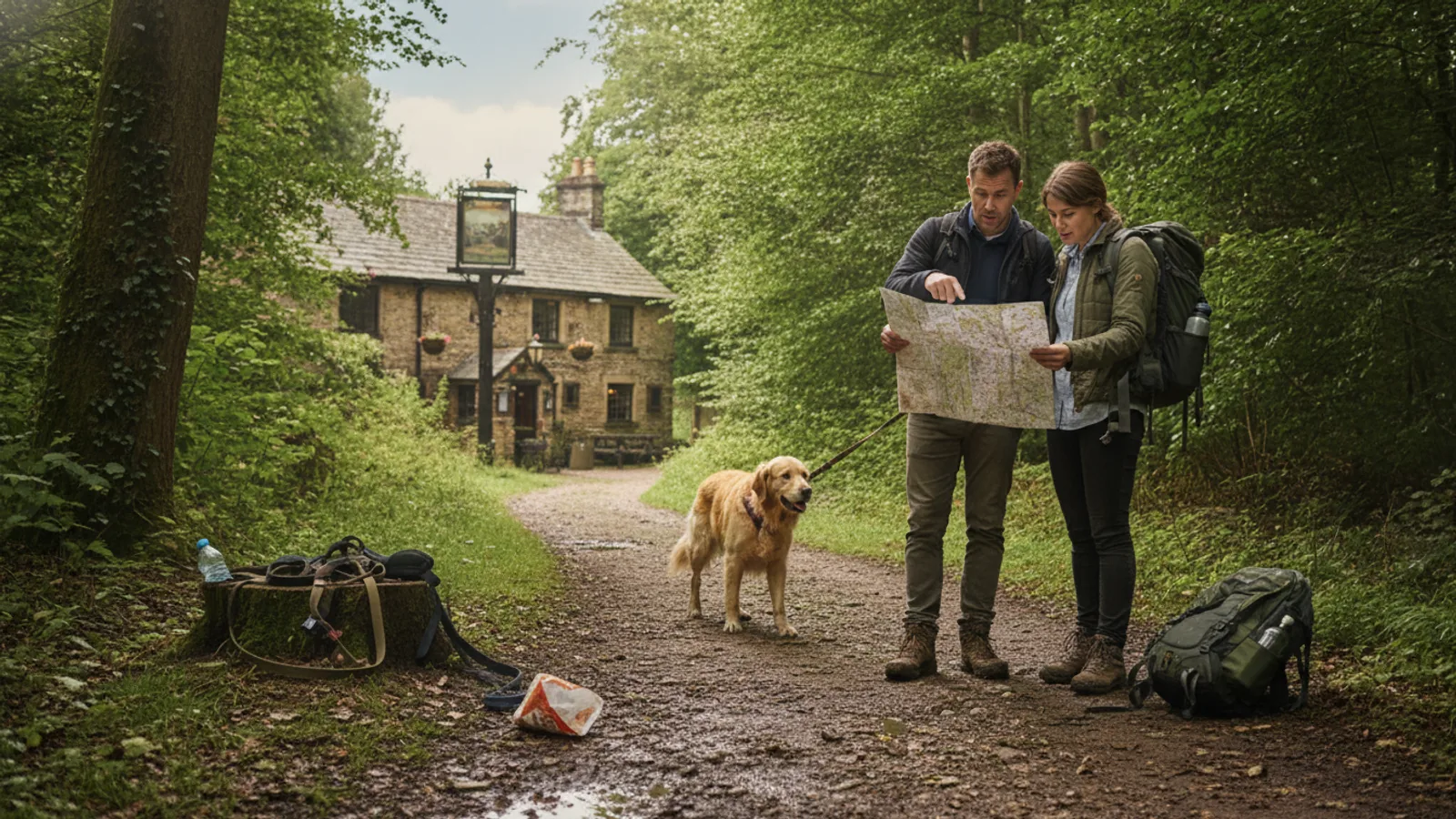
Start by selecting a walk that matches your dog's abilities and avoids known hazards. Look for routes with wide footpaths, no steep scrambles, and minimal road crossings. Check the terrain type: rocky or stony paths can hurt your dog's pads, while very muddy tracks may cause slipping. Use a map or walking app to read the route notes, and pay attention to symbols for stiles, gates, and livestock. If a stile is too high for your dog to climb safely, find a nearby gate or alternative path. Also consider the distance: a young, energetic dog might handle a 10 kilometer walk, but a senior dog may struggle. The key is to match the route to your dog's fitness level, and always have a halfway point where you can turn back if needed.
Contact the pub ahead to confirm policies
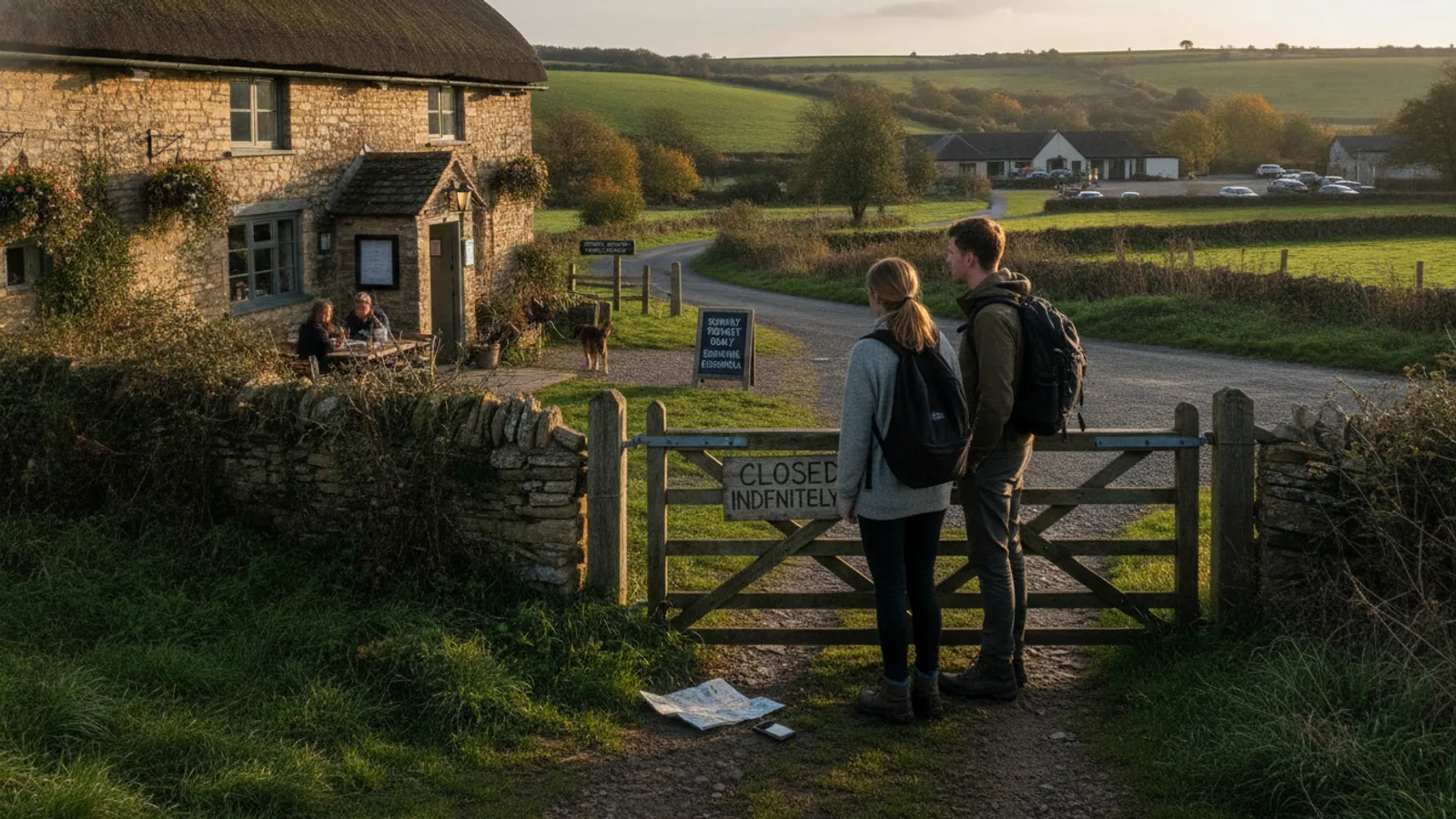
Before you set off, ring the pub or check their website to confirm that dogs are welcome, and ask about any specific rules. Some pubs restrict dogs to outdoor areas, while others allow them inside on a lead. Also ask if there is a water bowl available and whether the beer garden is covered or heated, as this affects your comfort after the walk. If you plan to eat, book a table in advance, and mention you have a dog so they can accommodate you in a suitable spot. This phone call takes only a few minutes but saves you the disappointment of being turned away at the door. Remember that policies can change, so verify even if you've been there before. It's also worth asking if there is a designated dog area or any seasonal restrictions on dogs in the garden.
Pack water, snacks, and a dog first-aid kit
Hydration is vital for your dog, especially on a long walk. Carry at least 500ml of fresh water per dog in a leak-proof bottle, and a collapsible bowl. Offer water at regular intervals, not just when your dog is panting heavily. Bring some dog-friendly snacks or a small portion of their normal food for energy, but avoid giving anything from the pub unless it's a known safe treat. A dog-specific first-aid kit is essential: include antiseptic wipes, bandage, tweezers for thorns, and a paw wax for protecting pads. Also pack plenty of poop bags and a towel to clean your dog before entering the pub. Don't forget a short lead for around the pub and a longer line for the walk. These items ensure you can handle small emergencies and keep your dog comfortable.
Check for livestock and farm hazards
If your route crosses farmland, you may encounter sheep, cattle, or horses. Always keep your dog on a lead when near livestock, even if they are obedient, because a dog chasing sheep can cause serious harm and stress to the animals. Read the route notes for farm gates and field boundaries, and know that cattle can be curious and may approach you; if this happens, keep calm, release your dog from the lead if necessary for safety, and walk away slowly. Also be aware of other hazards like ground-nesting birds during spring, which might swoop to protect their eggs. Carry a whistle on your collar or in your pocket to recall your dog if needed, and always pick up after your dog to avoid contaminating pastureland. Respect the Countryside Code and the needs of farmers.
Watch the weather and plan for the pub stop
The weather can change quickly, so check the forecast and plan accordingly. If rain is likely, bring a waterproof coat for yourself and a dog raincoat or towel to dry your dog before entering the pub. On hot days, avoid walking in the midday sun; start early and choose a shaded route. Also consider the pub's outdoor seating: if it's a cold day, does the beer garden have heaters? Is there shelter from wind? Your dog will need a comfortable place to rest while you enjoy a drink or meal. After the walk, offer your dog a small amount of water, let them settle, and give them a bolster or mat to lie on. Never leave your dog in a car while you go in the pub, even for a few minutes—not only is it unsafe, but many dogs suffer from separation anxiety.
Review route notes during the walk and adapt
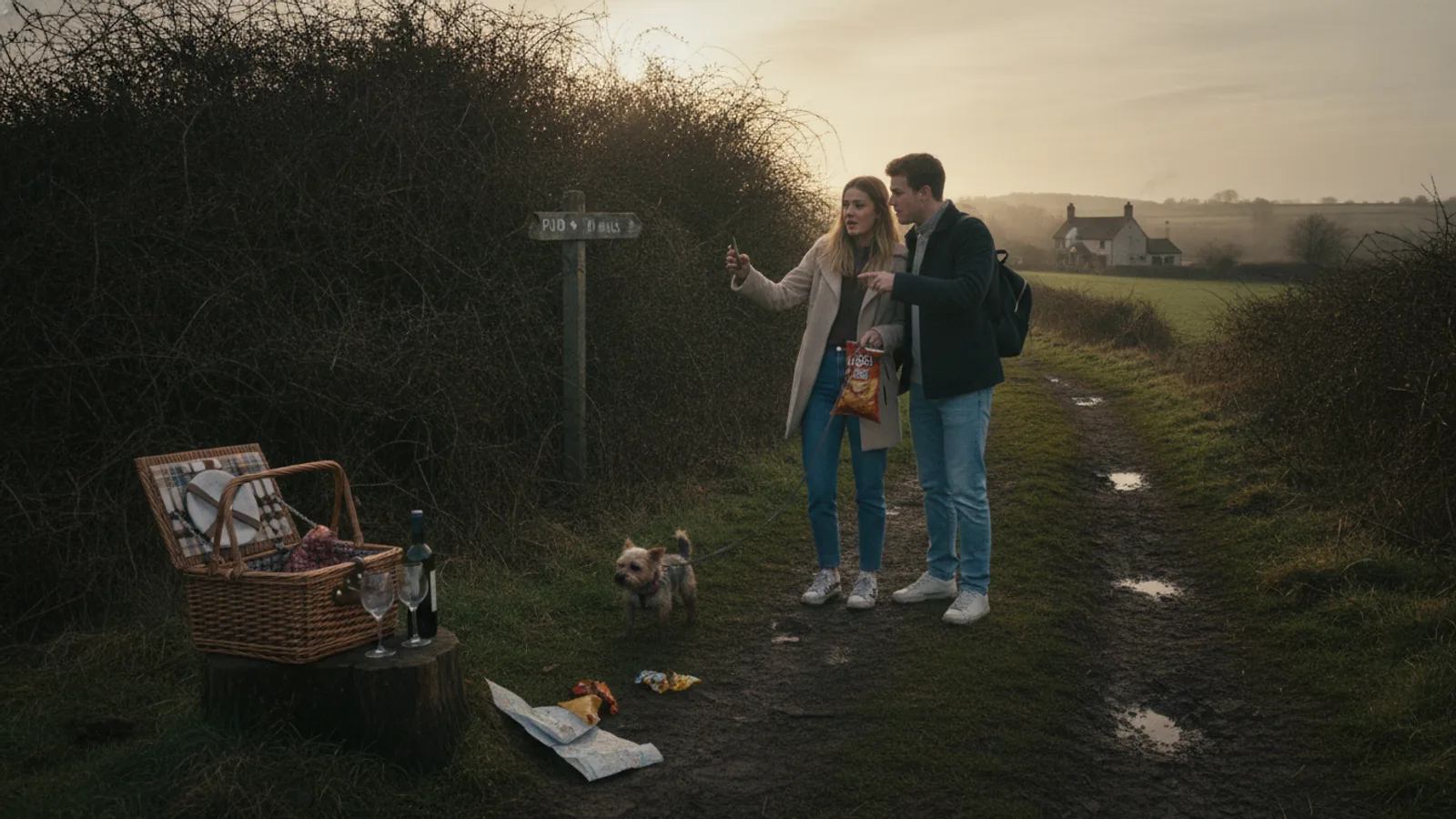
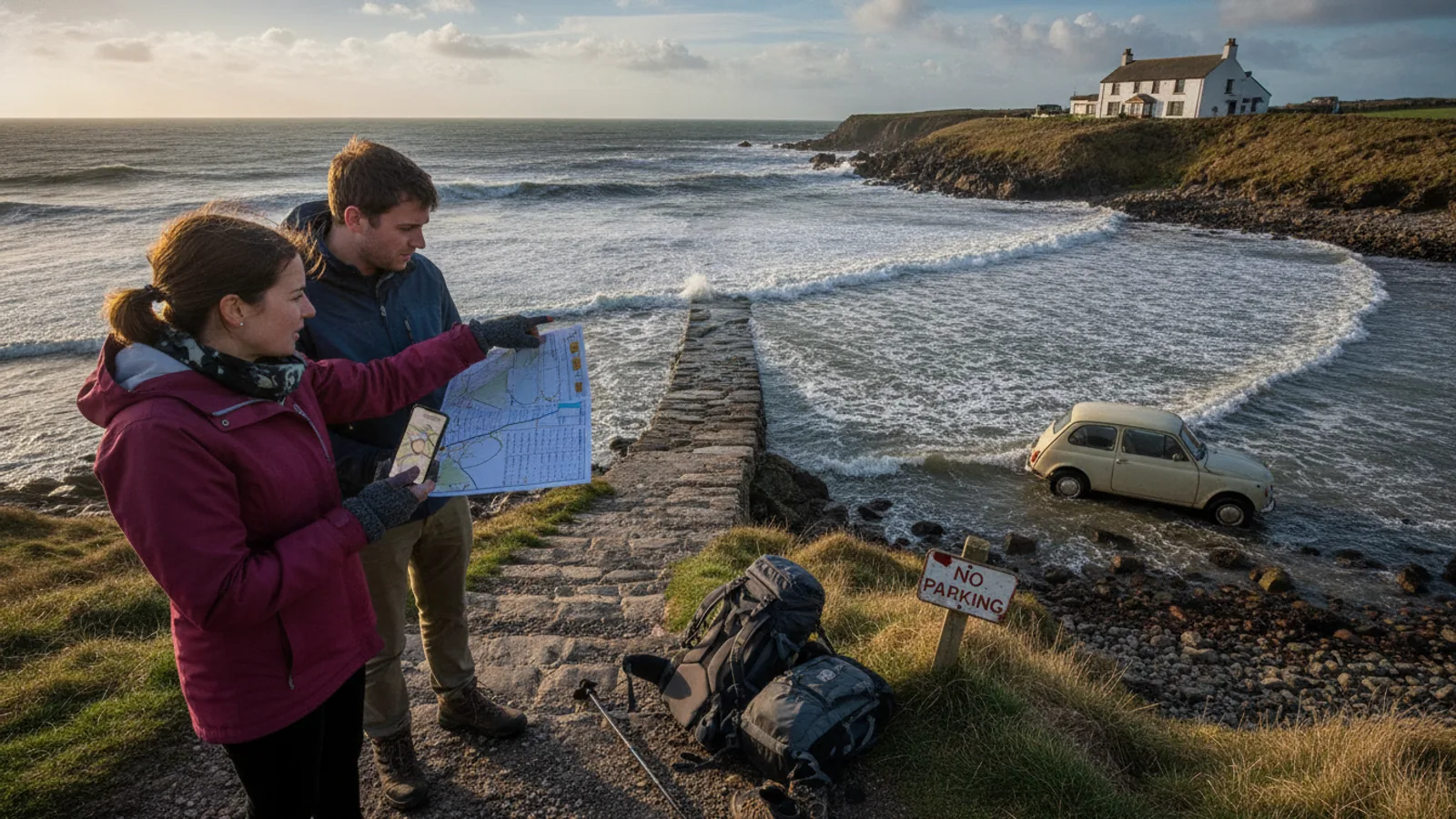
Keep your route notes or map accessible during the walk and check them at key junctions, not just at the start. Note where you are relative to the pub and identify potential shortcuts or bail-out points in case you need to end early. For example, if your dog becomes lame or the weather worsens, you might cut across a field to a minor road. Always keep a trackable reference, such as a physical OS map or a downloaded offline map on your phone, since mobile signal can be unreliable in rural areas. Pay attention to signposts and waymarkers, and be prepared for the actual conditions on the ground, such as a path being overgrown or a gate locked. As you approach the pub, follow the final approach carefully, and ensure your dog is on a lead before you enter the car park or any busy area.
Quick Reference
| Situation | Action | Why it helps |
|---|---|---|
| You reach a stile that is too high for your dog to climb safely. | Look for a gate or alternative access point nearby; if none exists, lift your dog over only if they are small and you can do so safely, otherwise consider turning back. | Forcing a dog over a high stile can cause muscle strain or panic, and turning back is better than risking injury in a remote area. |
| Your dog starts limping after stepping on a sharp stone or thorn. | Stop immediately, check the paw for debris, remove it with tweezers if visible, clean the wound with antiseptic, and apply a paw bandage; if the lameness persists, head back to the pub and avoid further stress. | A small cut or thorn can worsen quickly with continued walking, leading to infection or a more severe injury, so early care is essential. |
| Cattle start to surround you and your dog in a field. | Keep calm, release your dog from the lead to let it run if necessary, walk quickly but not run, and move to the nearest gate or hedge—avoid getting between a cow and its calf. | Running can trigger a chase response in cattle, and releasing your dog can help it escape; staying calm reduces panic and risk of being trampled. |
Common Issues
- You arrive at the pub and find it does not allow dogs, even though you assumed it was dog-friendly.: Before you leave, call the pub or check their social media and ask directly: 'Are dogs welcome in the garden and inside?' If unsure, have a backup pub in the same area that you have already verified as dog-friendly.
- Your dog gets muddy and wet during the walk, and you don't want them to be denied entry to the pub's indoor area.: Carry a large towel and a waterproof liner; dry your dog thoroughly before entering, and consider wiping their paws with a damp cloth. If the pub has an outdoor area, choose that instead and let your dog naturally dry off.
- Your dog drinks from a puddle or stream and then gets an upset stomach later.: Always offer fresh water regularly and discourage drinking from natural sources by using a water bottle with a bowl. If your dog has a sensitive stomach, bring along some bland snacks like boiled rice or a few pieces of chicken to serve after the walk.
Advanced Tips
- Train your dog to be comfortable wearing a backpack with a small amount of weight during the walk to help carry their own water and snacks, but keep the load light—no more than 10% of their body weight.
- Practice a reliable recall command in distracting environments before going on a pub walk, and consider a long training line (15 meters) for open, safe areas where off-lead walking is permitted.
- Use a 'down-stay' command in the pub garden to teach your dog to settle calmly, which makes the experience more peaceful for everyone and increases the chance of being welcomed back.
Final Checklist
- Verify the pub's dog policy by phone or website, and confirm outdoor seating and water bowl availability.
- Check the weather forecast and plan the route timing, including a shaded or sheltered spot for your pub stop.
- Pack your dog's essentials: water, bowl, snacks, poop bags, lead, towel, and a small first-aid kit.
- Review route notes for livestock, stiles, and road crossings, and carry a paper or offline map in case signal fails.
FAQ
Can I let my dog off lead on a pub walk?
It depends on the route and local rules. Always keep your dog on a lead in areas with livestock, near roads, or where signs require it. In open spaces where it's safe, you can let them off, but ensure they have a reliable recall. Also, some pubs have rules that dogs must be on a lead always, even in the beer garden, so check the pub's policy.
What should I do if my dog drinks too much water during the walk?
Offer water in small, frequent amounts rather than letting your dog gulp a large volume at once. If your dog drinks excessively, watch for signs of vomiting or discomfort, and slow down the walk. Also, avoid allowing them to drink from ponds or streams, as these can contain harmful bacteria. Fresh water from your bottle is safest.
How do I know if a pub's beer garden is truly dog-friendly?
Look for signs like 'dog-friendly' on their website, but also check for practical details: is there shelter, seating for you, and water bowls? Call and ask 'Do you have a dog-friendly area outside? Is it covered?' and ask if they have any restrictions on dog size or number of dogs. This ensures you won't be turned away.