Common Mistakes When Planning A Coastal Pub Walk Around Tide Times And Parking
A practical step-by-step guide to common mistakes when planning a coastal pub walk around tide times and parking, including preparation, instructions, common issues, tips, and next steps.
Common Mistakes When Planning A Coastal Pub Walk Around Tide Times And Parking
Planning a coastal pub walk around tide times and parking requires checking tide tables, understanding local hazards, and securing a parking spot before setting out. Many walkers make simple mistakes that can turn a pleasant stroll into a stressful or dangerous outing. This guide covers the most common errors, from misreading tide times to ignoring parking restrictions, and provides clear steps to avoid them.
Fast Answer
- Always check the tide times for the exact date and location, not just a generic forecast, and give yourself a two-hour buffer around high tide.
- Book parking in advance or arrive early at popular spots, because coastal car parks fill quickly and may have height or width restrictions.
Before You Start
- Check the tide times for your specific coastal location and date, using official tide tables or a reputable weather service.
- Look at the local walking route and identify any sections that become impassable at high tide, such as beaches or cliff paths.
- Research parking options near the pub and the walk, including any time limits, fees, or height restrictions.
- Tell someone your planned route and expected return time, and take a fully charged phone with a waterproof case.
Step-by-Step Instructions
Check Tide Times for the Exact Date and Place
Start by finding the tide times for the exact date and the specific stretch of coast you plan to walk. Use an official tide table or a reliable weather website, and enter the nearest harbour or beach name. High and low tide times shift by roughly 50 minutes each day, so use that day's data. Look for the periods of high and low water, and also check the height of the tide (e.g., 'spring' vs 'neap') because a higher high tide may cover more of the beach. Write down the high tide time and the low tide time, and ideally print a small table or take a screenshot for reference during the walk. If the walk involves any sections that are only passable at low tide, identify the safe window—usually the two hours either side of low water. If you cannot find reliable tide data for your exact spot, pick a walk that stays above the high water mark. This step forms the backbone of all your planning, because a tide table gives you the hard facts you need to stay safe and enjoy the walk without rushing.
Plan the Route Around the Tidal Windows
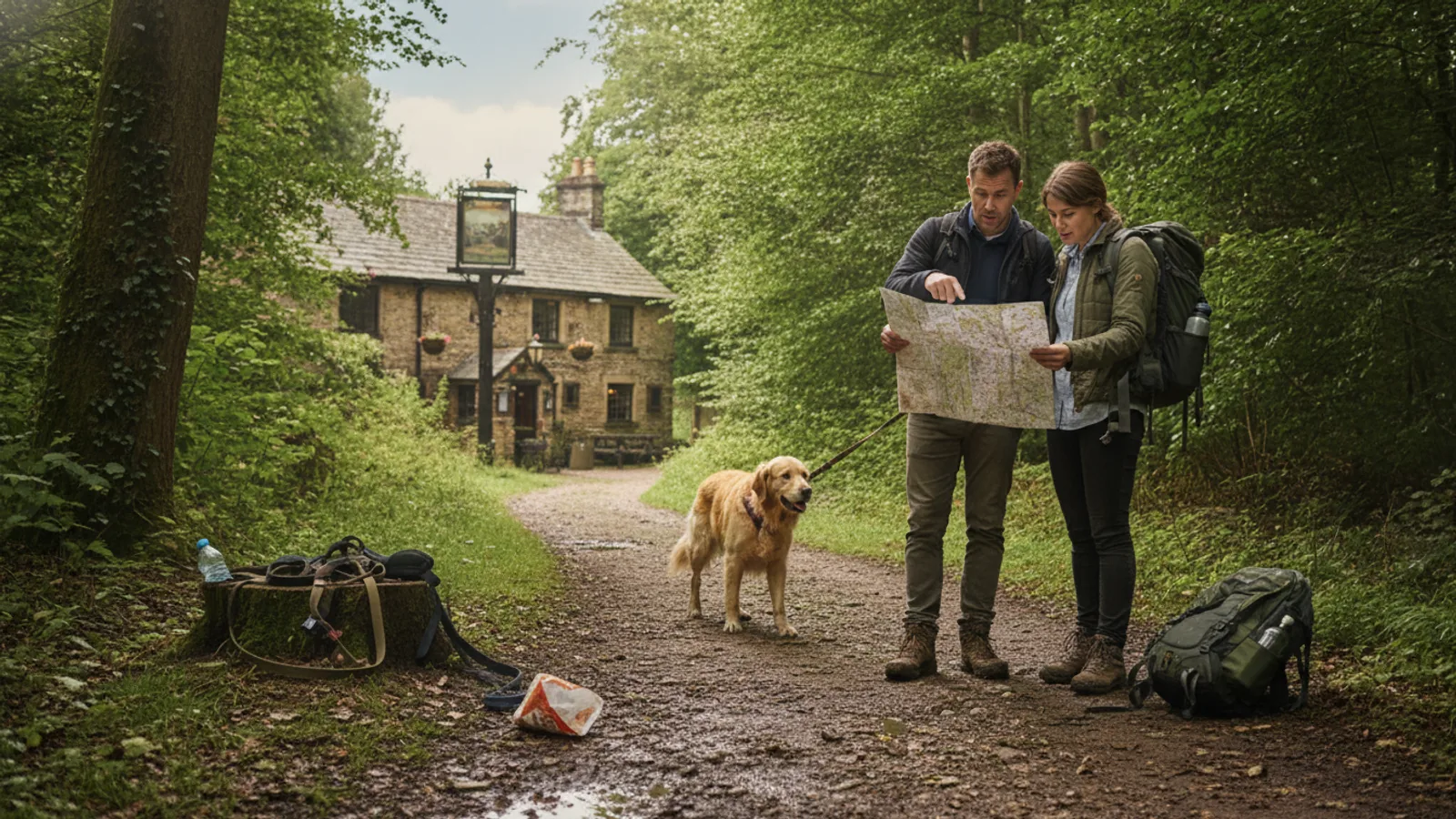
With the tide times in hand, plot your walk on a map and identify any sections that might be affected by the tide. Look for headlands, coves, or beaches that could be cut off, and check if footpaths climb above the high tide mark. Decide whether to walk clockwise or anticlockwise to match the tide: if the tide is falling, you can walk a beach early in the day, but plan to move to higher ground as the tide rises. A good rule is to start your walk at least two hours before low water and aim to finish the potentially tidal stretch by the time the tide has risen by a quarter of its range. If in doubt, pick a higher route or allow extra time for detours. Mark waypoints on a paper map or a mapping app, and note the distance and estimated walking time, adding a buffer of at least half an hour. This step turns your simple idea of a walk into a safe plan that respects the dynamics of the sea.
Secure Parking Before You Set Off
Parking at many coastal spots fills quickly, especially on weekends and in good weather. Before leaving home, research the parking options near the pub or the walk start, and decide where you will park. If there is a car park with a booking system, reserve a space in advance; otherwise plan to arrive early, before the peak morning time. Check for height or width restrictions that could affect your vehicle, and note any time limits or resident-only zones. If you plan to leave a car at the end of the walk and return by bus or taxi, check the return transport timetable as well. Write down the exact location and any access codes or payment methods, and do not rely on a mobile signal in a remote area—save an offline map or a note. Having a definite parking plan removes a major source of stress and prevents you from making a rushed decision that could result in a fine or a long walk to a distant car park.
Pack for the Wind, Rain, and Uneven Ground
Coastal weather can change quickly, so pack layers and waterproof clothing even if the forecast looks sunny. Take a windproof jacket, a warm mid-layer, and a hat, because the sea breeze can chill you rapidly. Wear sturdy walking boots or shoes with good grip, as coastal paths often have mud, rocks, and slippery seaweed. Carry water and snacks, even if you plan to eat at the pub, because you may be delayed. Put your phone in a waterproof case and take a portable charger, and bring a paper map as a backup. If you have a small rucksack, include a basic first aid kit and a headtorch in case you are out later than expected. This preparation ensures you can enjoy the walk regardless of conditions and handle small problems without having to turn back early.
Time Your Pub Lunch to Match the Tide
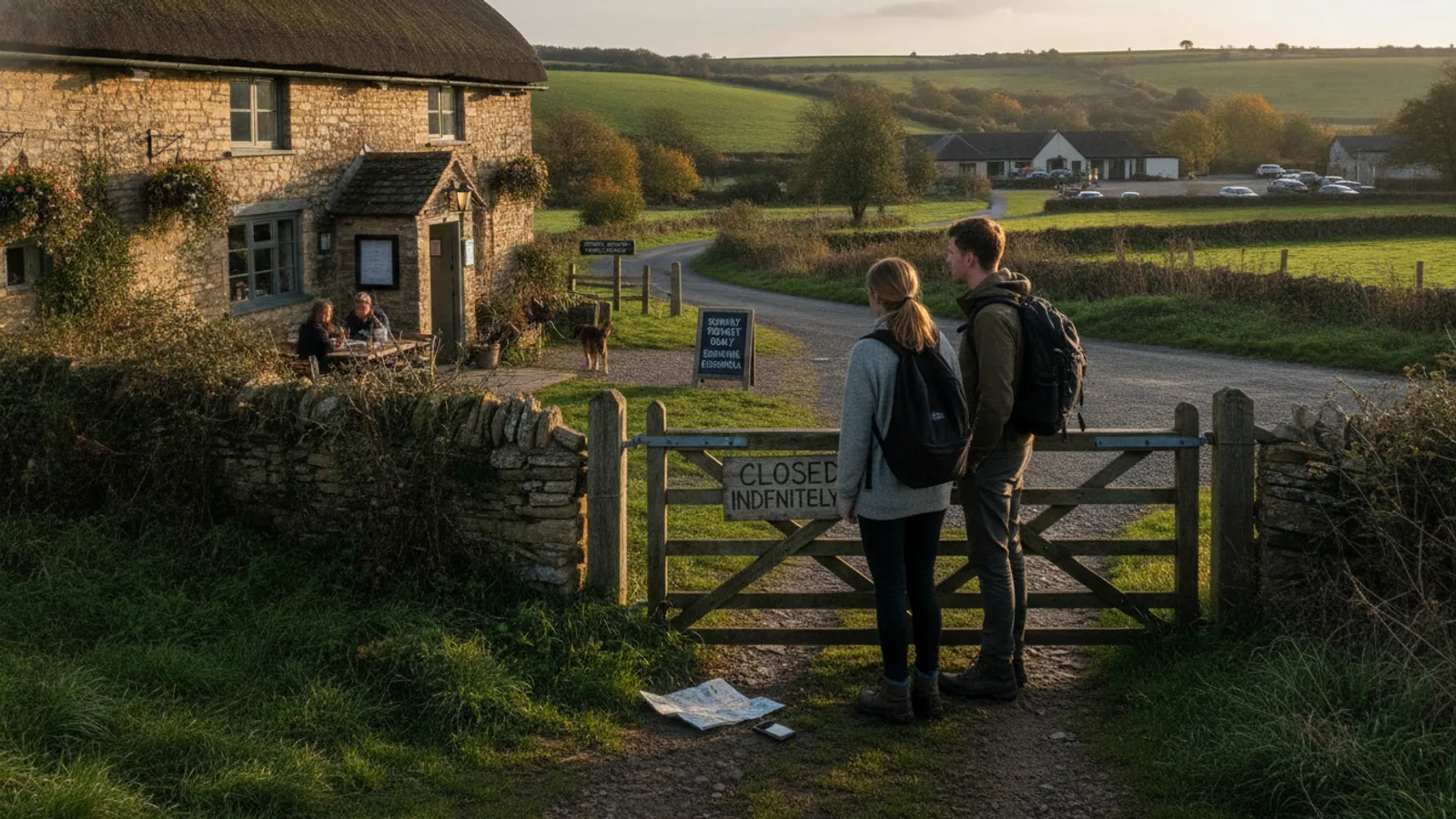
If your walk includes a stop at a pub, use the tide times to plan when you will eat. Aim to reach the pub when you have enough time to enjoy your meal without feeling rushed, but also ensure you have plenty of daylight and safe tide conditions for the return leg. Check the pub's opening hours and whether they take bookings; if the walk is popular, phone ahead to reserve a table. Plan your lunch for the period when the tide is high and the beach is not walkable, so you can eat while the tide is in and walk when it is low. Alternatively, if the pub is near a causeway that floods at high tide, make sure you cross well before the tide covers it. A good practice is to have a late lunch after the main stretch of walking, so you can stay at the pub until the tide has turned and started to ebb, giving you a safer return along the beach.
Keep an Eye on the Clock and the Sea as You Walk
During the walk, regularly check the time and compare it with your tide plan, and also watch the sea itself. Look out for warning signs that the tide is rising: waves getting closer, patches of beach disappearing, or water starting to pool in hollows. If you see any of these, move up the beach towards higher ground immediately. Do not try to beat a rising tide by walking faster along a narrow route; instead, find a higher path, even if it is longer. At every headland or bay, pause briefly to look at the current water level and estimate how much beach remains. If you realise you may be cut off, retrace your steps to a known safe point or climb to a spot above the high water mark. This constant awareness is the key to avoiding the common mistake of losing track of time while enjoying the scenery.
Quick Reference
| Situation | Action | Why it helps |
|---|---|---|
| You are about to start a beach walk and the tide is low but you don't know when high tide is due. | Stop and check the tide table for the exact high tide time; if it is less than two hours away, postpone the walk or take a higher route. | The tide can turn quickly, and a two-hour buffer gives you time to complete or escape the tidal section safely. |
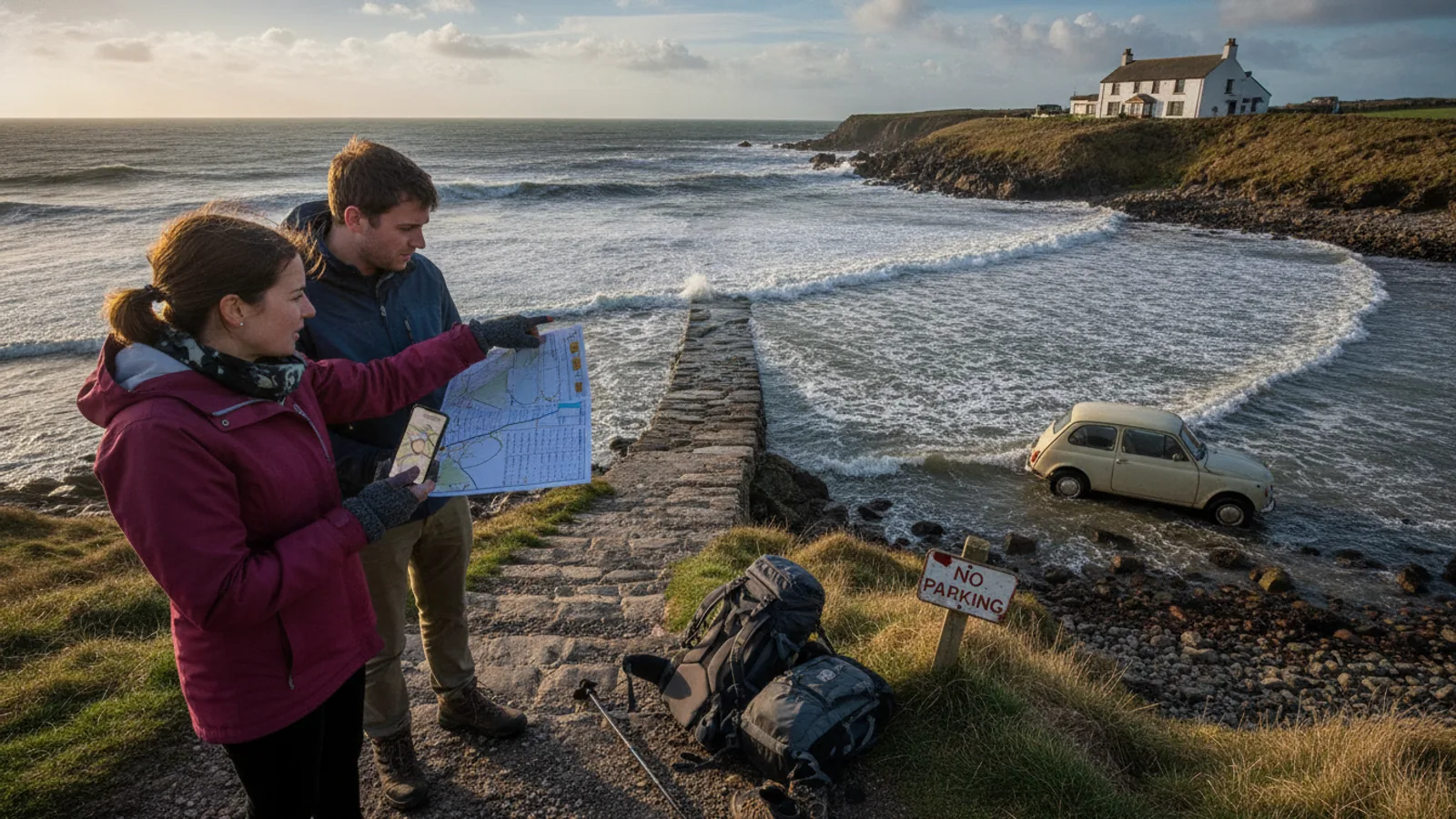
| You arrive at the coastal car park and it is full, with no obvious alternative. | Drive to the nearest designated overflow or use a park-and-ride if available; never park on grass verges or private land, as you risk a fine or towing. | Unauthorised parking can block emergency access or damage sensitive habitats, and you could return to a fine or a clamped vehicle. |
| You are at the pub, enjoy your food, and realise the tide has already turned and is rising fast. | Pay quickly and start your return via the highest possible path; if the route is cut off, stay at the pub and call for advice from the coastguard. | Rising tides can flood low-lying paths within minutes, and trying to cross a flood can put you in danger. |
Common Issues
- Relying on a single tide time for a whole coastline, which may vary by a mile or more along different beaches.: Look up tide times for the nearest specific harbour or use an app that gives times for the exact location, and add half an hour of safety margin for inexperienced walkers.
- Assuming that if the path is visible at low tide, it will remain walkable for your whole walk.: Check the gradient and exposure of the path; any section that is at or below the high tide line must be walked only in the two-hour window around low water.
- Underestimating how long the walk will take, especially if you stop for photos or a long pub lunch.: Calculate the walk time using an average pace of 3 miles per hour, and add an hour for lunch and another 30 minutes for rest and photography, then double-check that your planned return is before the tide starts to cover the beach.
Advanced Tips
- Use local knowledge: some beaches have hidden currents or deep channels that are not obvious; ask at the pub or a nearby surf shop for advice on safe swimming or crossing points.
- Check the moon phase: spring tides, around full and new moons, have a larger tidal range and cover more beach, so plan for a wider margin on those days.
- If you plan to do this walk regularly, buy a waterproof tide card for your area and keep it in your car, so you can quickly check the daily pattern without relying on a phone signal.
Final Checklist
- Checked tide times for the exact date and place, and noted the safe windows for tidal sections.
- Researched and secured parking with local time limits and restrictions in mind.
- Packed waterproof layers, good footwear, snacks, and a fully charged phone.
- Told someone your route and expected return time, and set a tide-time alarm.
FAQ
How do I find reliable tide times for a specific coastal area?
Use official tide tables from a local harbour authority or a reputable weather service. Enter the exact location name; many websites give times for specific beaches. If you cannot find an exact match, pick the nearest harbour and allow a 15-minute difference each way for safety.
What should I do if I get cut off by the tide?
If you cannot continue, move to the highest possible spot above the water line and call the coastguard or emergency services using 999 or 112. Do not attempt to swim or wade unless you are certain of safety. While waiting, stay visible and keep warm.
Can I park on a beach or grassy verge near a pub?
Parking on a beach or verge is often illegal and can damage the environment or block access. Always use designated car parks. If none are available, do not risk it; find alternative transport or park further away and walk.