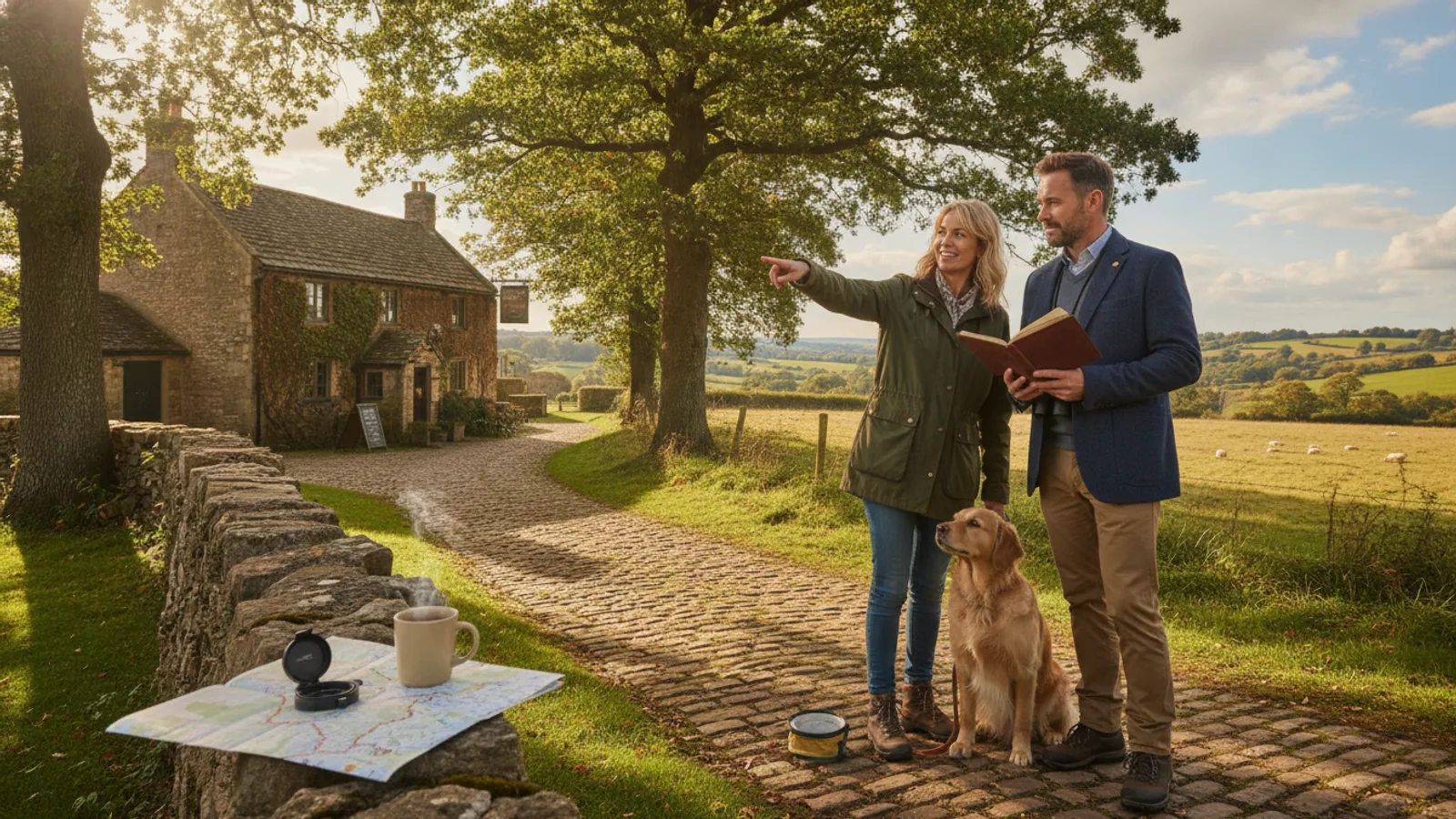
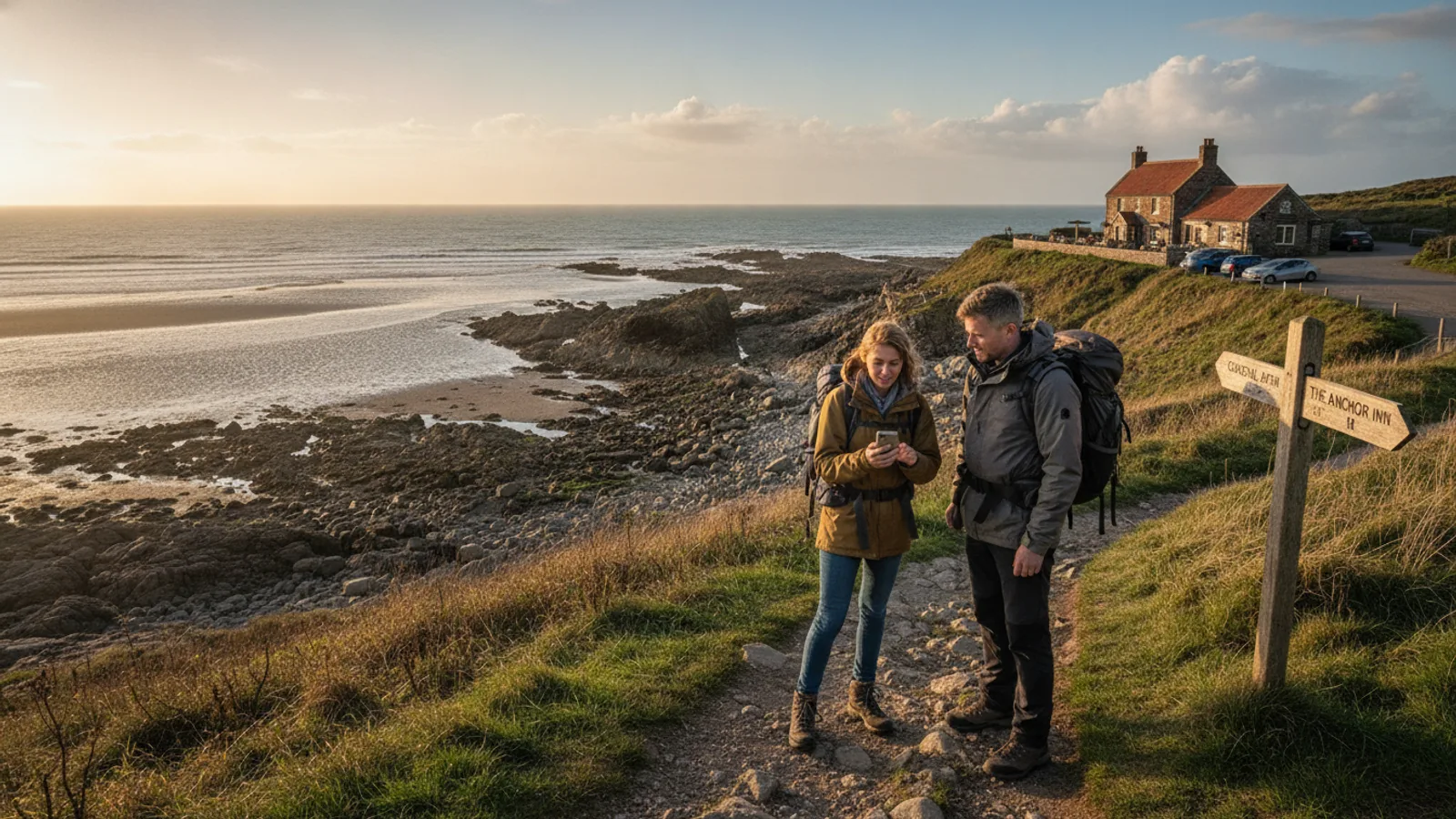
Common Mistakes When Planning A Riverside Pub Walk After Wet Weather
A practical step-by-step guide to common mistakes when planning a riverside pub walk after wet weather, including preparation, instructions, common issues, tips, and next steps.
Common Mistakes When Planning A Riverside Pub Walk After Wet Weather
Planning a riverside pub walk after heavy rain? Learn how to avoid the most common mistakes—from muddy paths and flooded bridges to unsafe riverbanks and parking problems. This guide gives you practical checks, step-by-step preparation, and quick-reference tips to keep your group safe, dry, and well-fed.
Fast Answer
- Always check weather forecasts and river level warnings before setting out, and be ready to change your route at short notice.
- Wear waterproof, grippy footwear and take walking poles; expect slippery surfaces, hidden puddles, and soft ground even on 'easy' paths.
Before You Start
- Check the local weather forecast, including rainfall for the past 24 hours and expected precipitation during your walk, using a reliable weather service or app.
- Look up the water level and flood status for the river you plan to follow, using official government or environmental agency websites if available.
- Call or message the pub ahead of time to confirm they are open, have enough dry seating, and can accommodate your group size, especially if it's a weekend.
- Prepare a flexible route plan that includes an alternative inland path or a shorter loop if riverside sections are closed or unsafe.
Step-by-Step Instructions
Check River Levels and Weather Forecasts
Start your planning by checking the local weather forecast for the entire duration of your walk, not just the start time. Look for the rainfall amount in the previous 48 hours and any further rain expected. Then, visit the official website for your region's environment agency or water authority to see current river level readings and flood warnings. Rivers can rise quickly after heavy rain, so even a 'minor' warning can mean unsafe pathways. Make a note of the forecasted conditions and river level trends for the day of your walk. If the forecast shows heavy rain or the river is already high, choose a different route or postpone. This step is crucial because many walkers get caught out by sudden rain that turns a gentle path into a muddy, swollen hazard.
Choose the Right Footwear and Clothing
After wet weather, riverside paths become slick with mud, and puddles hide deep holes. Your footwear is your most important piece of equipment. Wear waterproof boots with good ankle support and a sole with deep treads—not trainers or casual shoes. Apply a waterproofing treatment to your boots a day before the walk. For clothing, dress in layers that you can remove as you walk, and always carry a waterproof and breathable jacket. Avoid jeans; they soak up water and stay wet. Bring a spare pair of socks and gloves in a dry bag. Remember that even a mild day can feel cold near the river. This preparation matters because wet, cold feet can lead to discomfort and even hypothermia in extreme cases, and slippery soles increase your risk of falling on muddy slopes.
Map Out an Alternative Inland Route
Do not rely solely on the riverside path, as it may be impassable. Before you leave, study a map—either online or paper—and identify a safe alternative route that stays on higher ground and avoids the riverbank. This could be a footpath that runs through fields or along a lane, even if it is less scenic. Note the distance and approximate time for this alternate route, and share both your planned and backup routes with a friend or family member. Write down or take a screenshot of the backup route. On the day, if you encounter a flooded section or washed-out path, you will know exactly how to detour without having to make a risky decision on the spot. Having a plan B is essential because nature is unpredictable, and you do not want to be forced to turn back unnecessarily or attempt a dangerous crossing.
Pack a Small Emergency Kit
Even a short walk can become an emergency if you slip or get caught in a downpour. Pack a lightweight backpack with a few essentials: a fully charged mobile phone (stored in a waterproof pouch), a basic first-aid kit including blister plasters and antiseptic wipes, a whistle, a head torch or small flashlight, a foil blanket or extra warm layer, and some high-energy snacks like nuts or a cereal bar. Also bring a bottle of water. These items take up little space but can make a huge difference if you are delayed, injured, or need to wait for help. The kit is evidence of thoughtful preparation and ensures you are self-sufficient for a few hours. Many walkers skip this step and later regret it when faced with a minor cut or a phone battery that dies at dusk.
Let Someone Know Your Plans
Before you set off, tell a reliable person—a friend, family member, or your pub host—exactly where you are walking, the route you intend to take, and your expected arrival time at the pub. Include the name of the pub, the start time, and the estimated duration of the walk. Arrange to call or message them when you arrive at the pub. If you do not check in, they should know to raise the alarm. This simple step is often forgotten in the excitement of a day out, but it is vital. It ensures that if you have an accident, get lost, or are delayed by a flooded path, someone can start looking for you quickly. The time saved by having a clear plan could be critical in an emergency.
Arrive Early and Confirm Conditions
Plan to arrive at the pub at least 30 minutes before your planned walk time. This gives you a buffer to check the actual path conditions, ask locals or pub staff for advice, and adjust your route if necessary. Walk a few metres along the riverside path to assess the ground: is it excessively muddy, are there standing puddles that might cover the path, or is the river visibly high and fast? Use your judgement based on what you see and hear. If conditions look unsafe, do not proceed with the riverside section—use your inland alternative. This early arrival also lets you park safely, use the facilities, and get a final weather update. By confirming conditions in person, you reduce the risk of starting a walk that turns dangerous halfway through.
Quick Reference
| Situation | Action | Why it helps |
|---|---|---|
| River level is high but not flooding | Check for any flood warnings or alerts on the official environment agency website, and if in doubt, switch to your inland alternative route. | High water levels can make banks unstable and hide trip hazards; it's better to be safe than sorry. |
| Path is muddy but passable | Slow down, walk single file to avoid churning up more mud, and use your walking poles for balance on slopes. | Mud is slippery and can be deeper than it looks; extra care prevents falls and skids. |
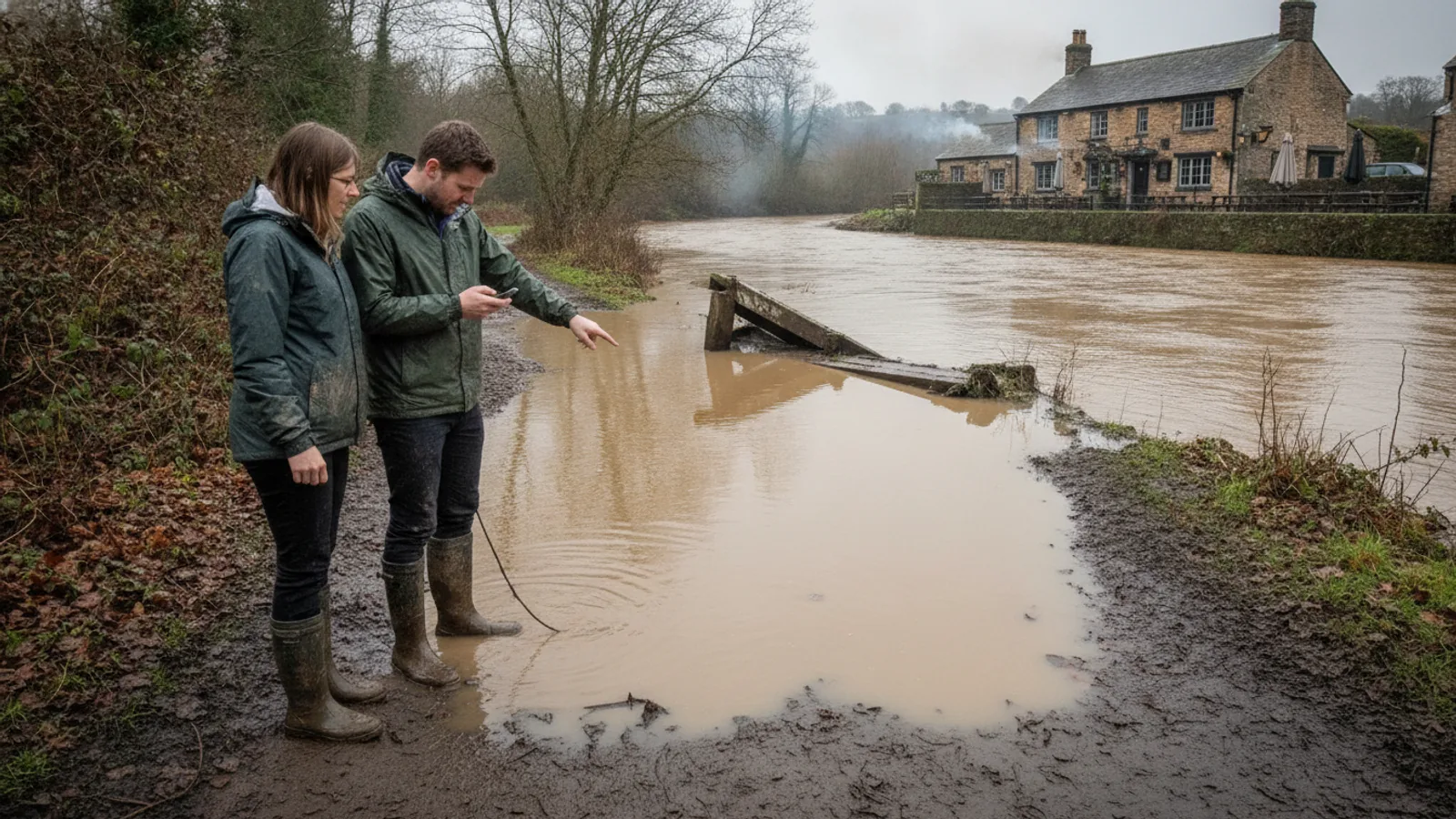
| You encounter a flooded section of path | Stop immediately, do not attempt to wade through, and turn back to take your documented alternative route. | Even shallow-looking water can have a strong current and hidden drop-offs; turning back is the only safe choice. |
Common Issues
- Footwear gets soaked through despite waterproof claims: Treat your boots with a waterproofing spray before the walk, and choose boots with a high ankle cuff. Pack dry socks in a waterproof bag to change into when you reach the pub.
- The riverside path is closed without notice: Call the local park or countryside office before you leave, and have your inland alternative route ready so you are not caught without a plan.
- Pub is unexpectedly closed or too crowded: Phone the pub in the morning to check they are open, and ask if they can hold a table or if they have a dry outdoor area. If they are closed, have a backup pub or café in mind nearby.
Advanced Tips
- Study the river's flow pattern: after rain, the current is often strongest on the outside of bends, so keep well away from the edge there.
- Take a high-visibility vest or bright clothing to ensure you are seen by other path users, especially if the path is narrow and muddy.
- Carry a lightweight portable water filter or purification tablets so you can fill your water bottle from the pub tap if needed, reducing waste on the go.
Final Checklist
- Checked local weather forecast and river level status for the day and hour of your walk.
- Packed waterproof boots, layers, spare socks, and emergency kit including whistle and head torch.
- Shared your planned route and backup plan with a responsible person, and agreed a check-in time.
- Arrived at the pub early, personally assessed the path conditions, and verified the pub is open and ready.
FAQ
Is it safe to walk along a river after heavy rain if the path looks dry?
The path may look dry on the surface, but the soil underneath could be saturated and unstable. Riverbanks can erode quickly after rain, making edges crumble. Even a dry-looking path can have hidden icy patches if the temperature drops. Always treat the bank with respect, keep well away from the edge, and be ready to turn back if you see any signs of erosion or cracking. Pay attention to your footing and avoid stepping on wet roots or stones.
What should I do if I meet a flooded section of the path?
Do not attempt to wade through the water, regardless of how shallow it appears. Fast-moving floodwater can knock you off your feet, and there may be submerged debris or a drop-off. Turn back immediately and use your planned alternative route. If you are unsure of the route, call the pub or a local walking group for advice. Your safety is far more important than reaching your destination.
How can I keep my phone and valuables safe during a wet walk?
Store your phone, keys, and any other valuables in a waterproof pouch or a dry bag. Place the pouch inside an inner pocket of your jacket or backpack, not in an outer pocket that might get splashed. Consider using a lanyard to keep the pouch around your neck under your coat. This way, your items stay dry even if you slip or rain seeps into your backpack. After the walk, dry any damp gear as soon as possible to keep it in good condition.