How To Choose A Country Pub Walk For A First Weekend Away
A practical step-by-step guide to how to choose a country pub walk for a first weekend away, including preparation, instructions, common issues, tips, and next steps.
How To Choose A Country Pub Walk For A First Weekend Away
Choosing a country pub walk for your first weekend away can be a delightful challenge if you know the right approach. This guide walks you through the essential steps: from defining your ideal walk length and difficulty, to researching routes and pubs, checking practicalities like weather and booking, and preparing your gear. You'll learn how to match your fitness level, find reliable sources, and plan for a memorable and safe adventure. Whether you're a novice hiker or just looking for a relaxed break, this guide ensures your first country pub walk is enjoyable and stress-free.
Fast Answer
- Decide on the length and difficulty of the walk first, based on your fitness, then search for routes that match, and finally pick a pub that serves food and is located along the route or a short detour.
- Check the weather forecast and book a table at the pub in advance, as popular pubs fill up quickly, and always carry a map, water, and a charged phone.
Before You Start
- Define the distance you want to cover, considering your current fitness and experience. A good first weekend walk might be between 6 to 10 miles, but adjust to what you're comfortable with.
- Decide on the type of terrain you prefer, such as gentle valleys, rolling hills, or riverside paths, and consider how much climbing you're willing to do.
- Brainstorm a shortlist of regions you'd like to visit, considering travel time, local charm, and available pub walks.
- Gather key resources: Ordnance Survey maps, walking guides, or reliable websites that specialize in country walks, and check if the pub has a website or social media for opening times and menus.
Step-by-Step Instructions
Assess your fitness and experience
Start by being honest with yourself about how far you can comfortably walk and how much climbing you can handle. If you're new to walking, choose a route that is mostly flat and under 6 miles. If you're reasonably fit but new to hiking, aim for 6-8 miles with a few hills. Consider any health conditions, such as asthma or joint issues, that might affect your pace. Also factor in the weather, as heat or rain can make a route feel harder. Why does this matter? Overestimating your ability can turn an enjoyable day into a struggle, risking injury or exhaustion. Overestimating how fast you walk can also make you miss the pub's last food orders. A realistic assessment of your fitness ensures you pick a walk that matches your pace, allowing time to enjoy scenery, take breaks, and reach the pub with a healthy appetite and a sense of achievement. Remember, you can always build up to longer walks later.
Research potential regions and routes
Once you know your physical limits, brainstorm a few regions that appeal to you. Consider factors like travel time from home, the type of landscape you enjoy, and the range of pub walks available. Use guidebooks, local tourist board websites, or walking apps to search for routes. Look for routes that have been walked recently by others, as path conditions can change. Pay attention to descriptions that mention 'pub lunch', 'pint stop', or 'refreshments'. Make a shortlist of three or four possible walks, noting the distance, total ascent, and estimated time. Why does this matter? A region with multiple options gives you flexibility if weather or path closures change plans. Also, a route that is described as a pub walk is more likely to have a welcoming pub with a decent menu and a family friendly atmosphere. By researching thoroughly, you avoid disappointment and increase the chance of a memorable day.
Check the pub's details and book your table
Before settling on a route, investigate the pub that will be your destination or refreshment stop. Visit the pub's website or social media to see their food service times, whether they take reservations, and if they allow walk-ins. Check if they have a garden, a roaring fire for colder days, or a dog-friendly area. If possible, call ahead to confirm that they are open on the day you plan to walk, as some rural pubs close on certain days. Booking a table is highly recommended, especially for a weekend, as popular pubs can be fully booked, leaving you without lunch or a place to rest. Why does this matter? Arriving at a closed pub or one with no tables could ruin your day. Booking ahead guarantees you a spot and reduces stress. Also, confirming their menu allows you to anticipate a hearty meal, which is the highlight of a pub walk.
Obtain and study a detailed map
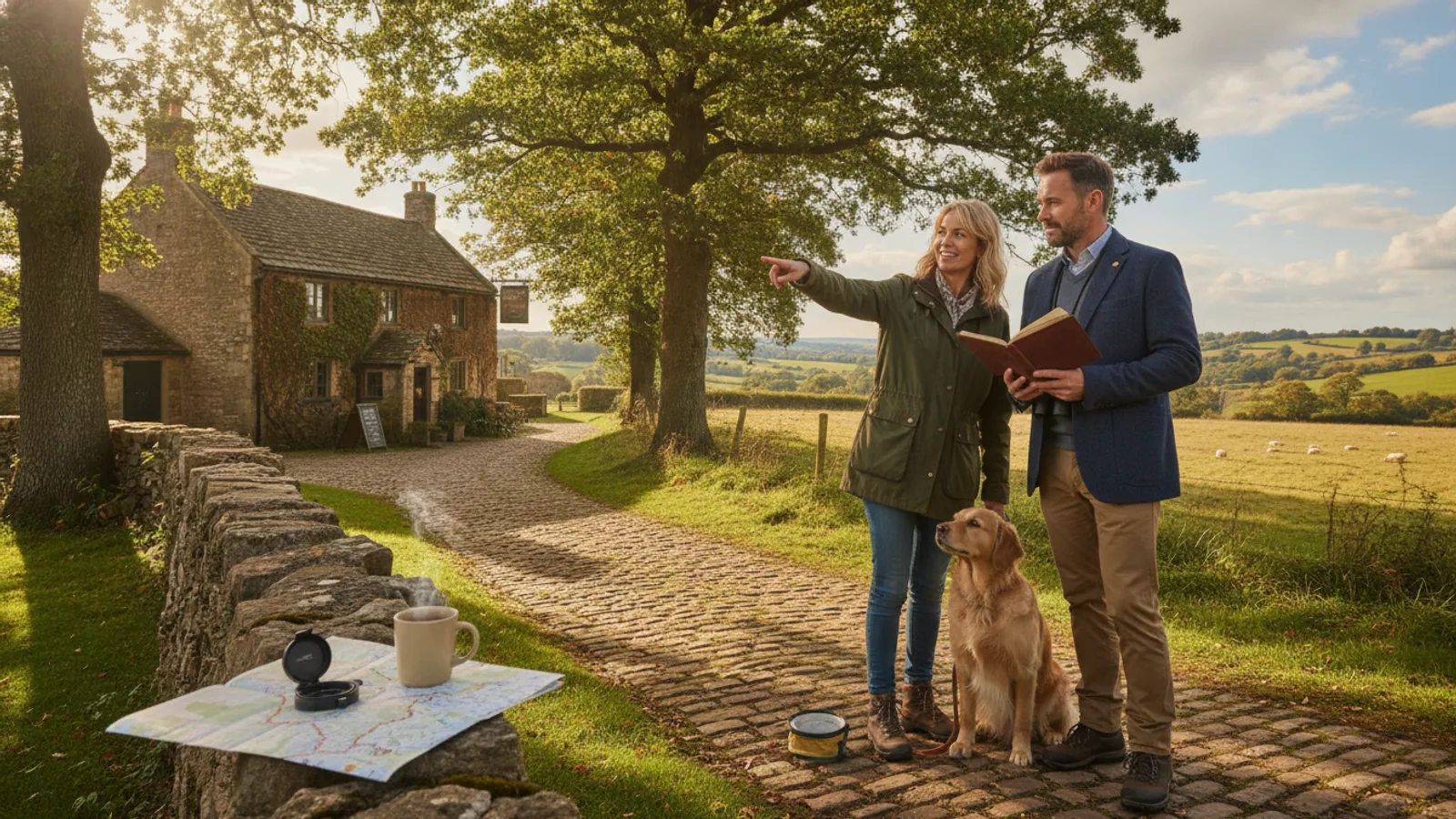
Even if you plan to use a smartphone, always carry a paper map of the area, such as an Ordnance Survey map, and possibly a printed route description. Study the map carefully at home, tracing your planned route and noting key landmarks, junctions, and potential shortcuts. Familiarize yourself with the symbols for footpaths, bridleways, and public rights of way. If the route follows a path that is not clearly marked on the ground, you'll need to rely on your map-reading skills. Also, check for any potential obstacles like river crossings, road crossings, or steep sections. Why does this matter? Maps are your safety net if your phone battery dies or you lose signal. Understanding the terrain and route beforehand helps you navigate confidently, prevent wrong turns, and know when you're off track. It also lets you identify escape routes if you need to shorten your walk.
Check the weather forecast and plan for it
A few days before your walk, check the local weather forecast for the area you plan to walk. Pay attention to temperature, wind speed, and probability of rain. Adjust your route if extreme weather is forecast, such as high winds or heavy rain, as this can make paths dangerous or uncomfortable. Also, plan your start time based on daylight hours and how long you expect to walk. If rain is likely, consider a shorter route or one with more tree cover. Why does this matter? Weather can dramatically affect trail conditions, making paths slippery, streams impassable, or views obscured. Being prepared with appropriate clothing and footwear is essential for comfort and safety. Checking the forecast allows you to adapt your plans early, maybe swapping to a lower-level route if the hills are stormy. A dry, comfortable walker is a happy one.
Pack your walking kit and prepare for the day
Assemble your gear the day before to avoid last-minute panic. Wear sturdy, broken-in walking boots or shoes, and bring layers that you can add or remove. Pack a waterproof jacket, a hat, and sunscreen, depending on the weather. Carry a small backpack with water (at least 1 liter per person), snacks like trail mix or fruit, a first-aid kit, a charged mobile phone with a portable power bank, and a whistle. Bring your paper map and compass or a device with a GPS. Also, pack a small headtorch if there's any chance you'll be out after dusk. Why does this matter? Having the right kit ensures you're warm, dry, and safe if the weather turns or you get delayed. Snacks keep energy levels up, and water prevents dehydration. A map and compass are non-negotiable for navigation. Preparing your kit thoroughly means you can focus on enjoying the walk.
Quick Reference
| Situation | Action | Why it helps |
|---|---|---|
| You arrive at a stile and find it blocked or broken, with no obvious path around. | Stop and check your map for an alternative route around the obstacle. If you must go around, respect fences and crops, and never cross into private gardens without permission. Once past, find the nearest footpath marker and rejoin the route. | This ensures you stay on legal rights of way and avoid getting lost or causing damage. |
| You are halfway and realize the walk is longer or harder than expected. | Use your map to identify the nearest exit point to a road or a public transport stop. If you have a planned shortcut, take it. Otherwise, call the pub to let them know you'll be late or cancel your booking to avoid a wasted table. | Adjusting your plan prevents exhaustion or injury and keeps your schedule realistic. |
| You arrive at the pub and find it is closed for a private event or kitchen has stopped serving. | Check your map for a nearby alternative pub or restaurant that might be open. If none, use your map to find a village store or café. As a last resort, enjoy a packed lunch somewhere scenic and have a drink later. | Having a plan B ensures you're not left without food and drink, turning a setback into a pleasant picnic. |
Common Issues
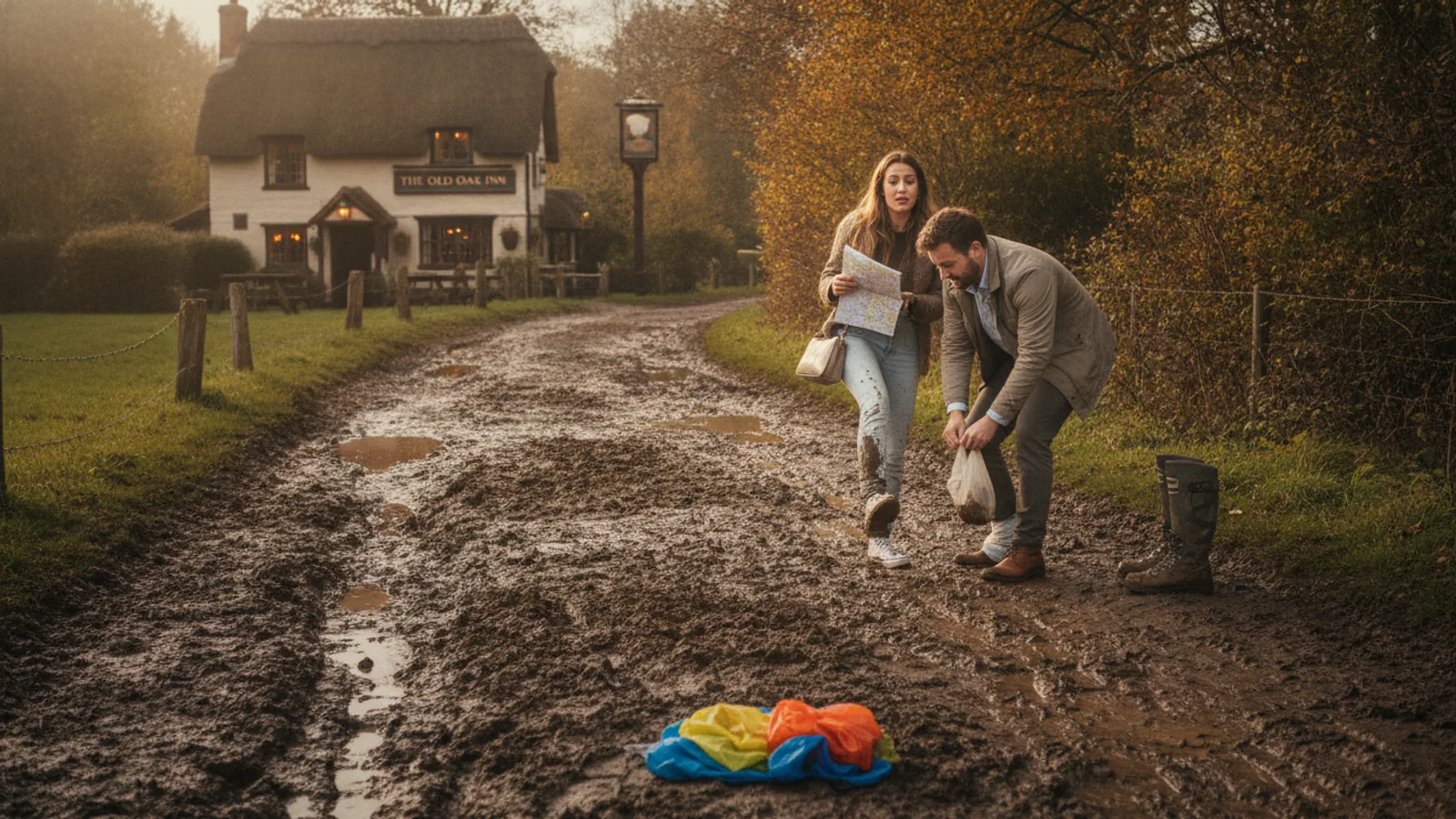
- The path is overgrown or obscured by vegetation.: Wear long trousers to protect against scratches and ticks, and use a walking stick to brush aside nettles. Study the map to locate a parallel path or a longer but clearer route. Persist carefully, avoiding going off course.
- Your phone loses battery or signal during the walk.: Always carry a paper map as backup. In your backpack, have a portable charger and a spare power cable. If you lose signal, stop, take a breath, and navigate using the paper map. If all else fails, use a compass bearing from your last known location.
- You get lost due to unclear path junctions.: Stop at the last clear point on the map, and use a compass to orientate. Look for waymarker arrows or yellow signs on trees. If you are still unsure, walk back to the last known point and re-evaluate. Avoid guessing; take your time.
Advanced Tips
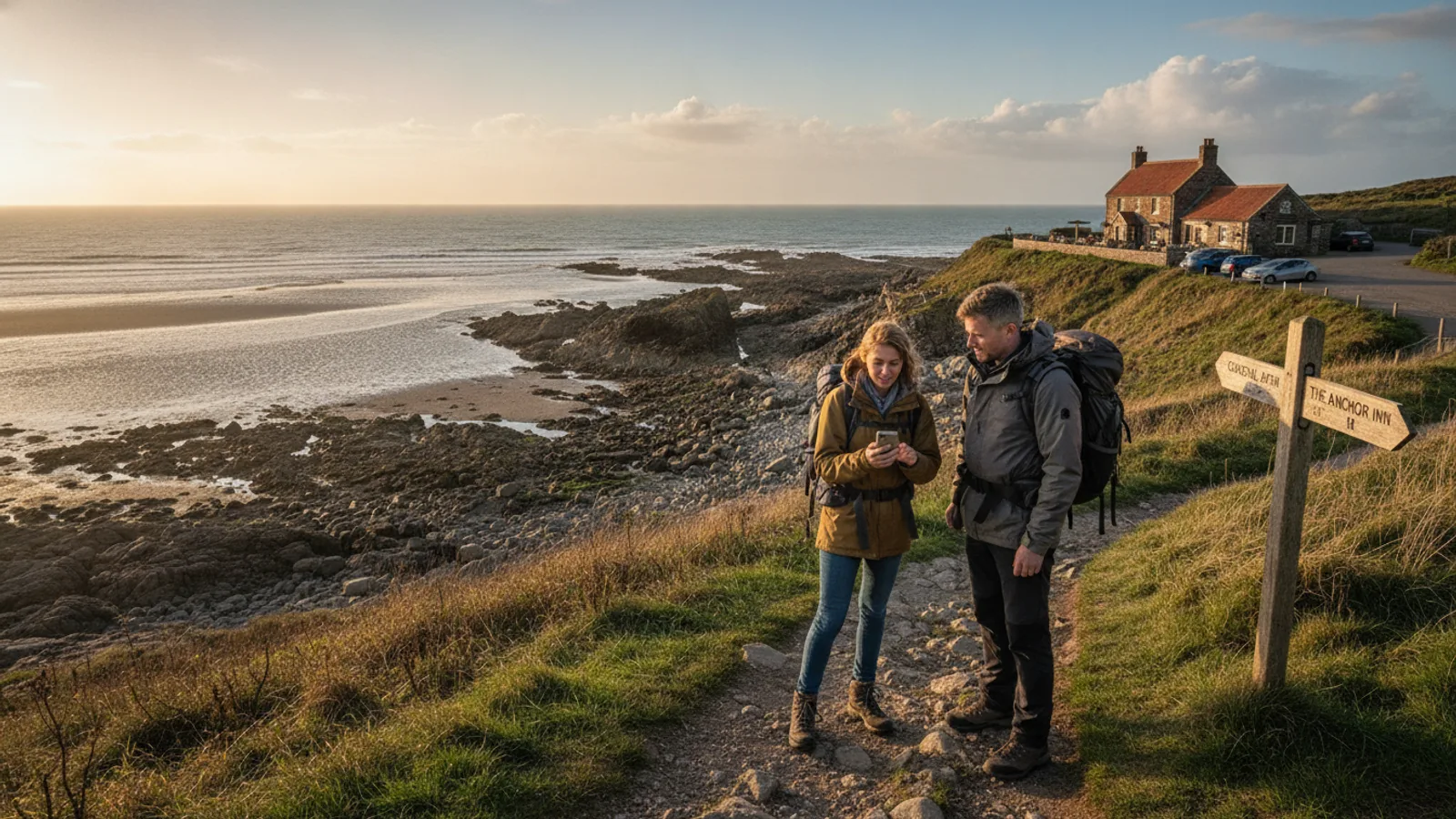
- Consider using a walking app that tracks your route with GPS, but still bring a map and a power bank – technology can fail.
- In spring and summer, stop at a garden centre or village shop to pick up local produce for a picnic, which pairs well with a drink from the pub.
- Join a local walking group for your first few trips to gain experience and discover hidden gems from seasoned walkers.
Final Checklist
- Have I booked a table at the pub and confirmed their opening times for the day?
- Is my route mapped and do I have the latest weather forecast?
- Have I packed my map, compass, phone charger, and enough water and snacks?
- Are my boots broken in and my clothing appropriate for the expected weather and terrain?
FAQ
What is the best length for a first pub walk?
For a first weekend away, aim for a walk of 6 to 8 miles (10-13 km) with moderate elevation gain. This distance typically takes 3 to 4 hours to complete, allowing time for stops and a leisurely lunch. Choose a circular route so you don't have to retrace your steps. If you are new to walking, start with a short 4-mile route and gradually extend.
How do I know if a pub is truly 'pub walk' friendly?
Look for signs that the pub welcomes walkers: a muddy boot area, a drying room for wet cloaks, a garden with picnic benches, and a menu with hearty, locally sourced dishes. Check their website or reviews from walking forums. Contact them in advance to ask if they allow well-behaved dogs and if they provide water for walkers. A genuine pub walk pub often markets itself that way.
What should I do if the route is closed or impassable?
If you encounter a closed path, legally you should not ignore a closure notice. Immediately use your map to find an alternative route, ideally a public footpath that runs parallel. If you must detour onto a minor road, walk facing oncoming traffic and wear high-visibility gear. Notify the landowner if possible, and always inform the pub that you might be delayed.