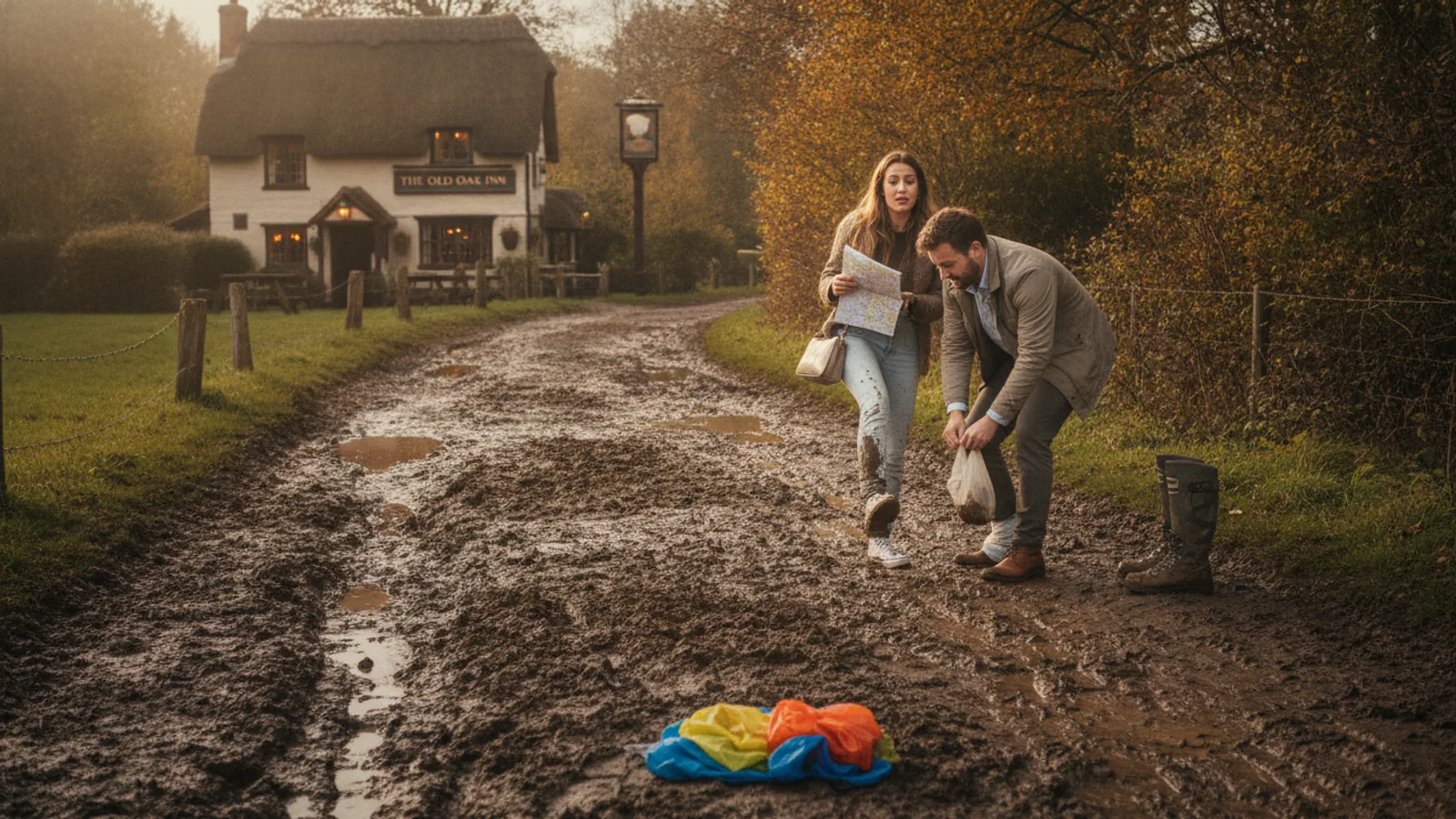
How To Choose A Coastal Pub Walk Around Tide Times And Parking
A practical step-by-step guide to how to choose a coastal pub walk around tide times and parking, including preparation, instructions, common issues, tips, and next steps.
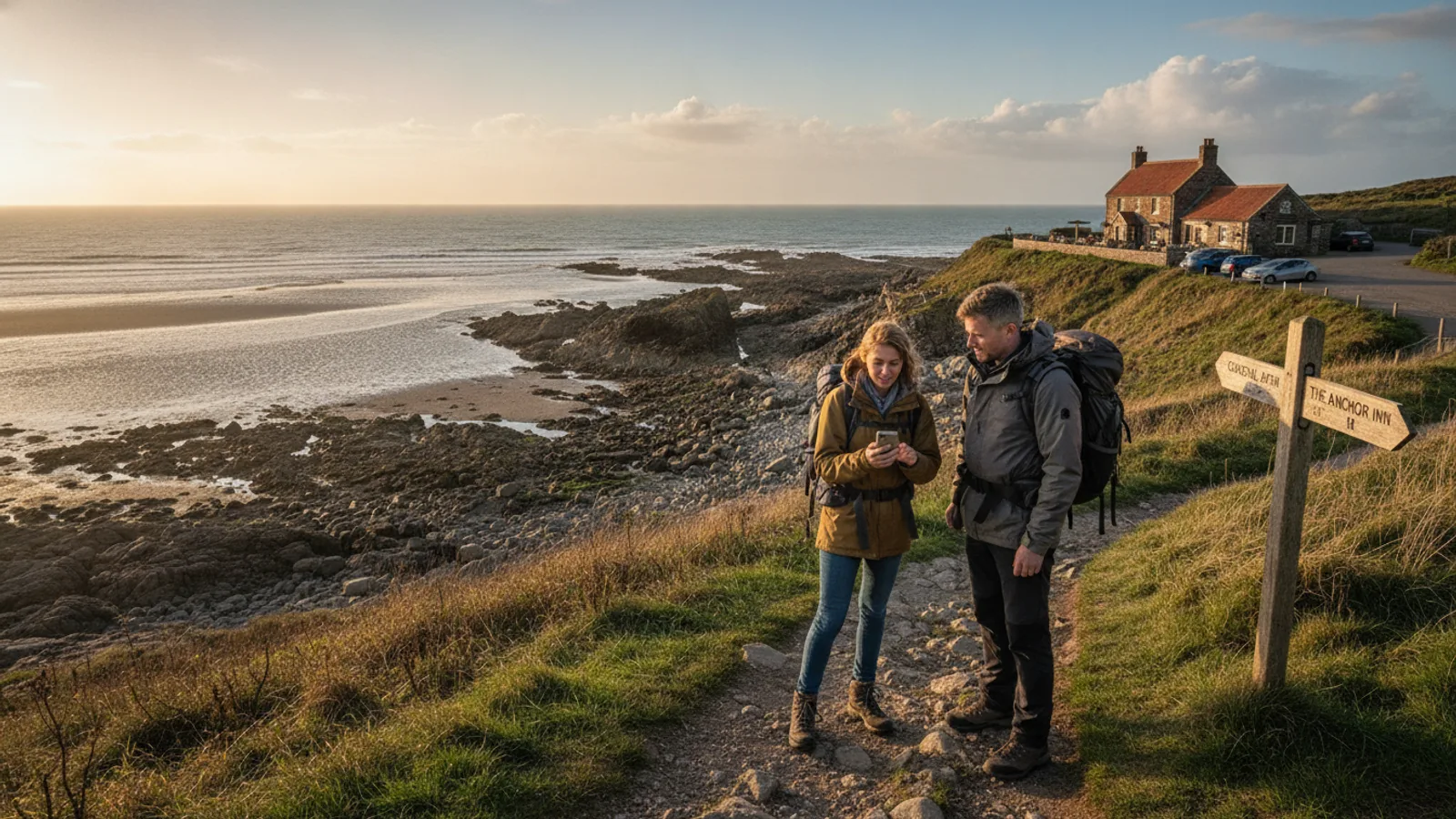
How To Choose A Coastal Pub Walk Around Tide Times And Parking
Choosing a coastal pub walk that aligns with tide times and parking availability requires careful planning. This guide explains how to research tide schedules, select a walk that avoids danger, find suitable parking, and time your visit for an enjoyable and safe experience. Emphasizing preparation and flexibility, it provides practical steps for a successful seaside pub outing.
Fast Answer
- Check tide times online or via local notices, and aim to walk during the two hours either side of low tide, avoiding walks that cross tidal estuaries or causeways near high tide.
- Choose pubs with their own car parks or close to a good-sized public car park, and set off early to secure a spot, especially on weekends and bank holidays.
Before You Start
- Check tide tables for the specific location, noting both high and low tide times, and consider the height of the tide (e.g., spring vs neap tides).
- Review the walking route on a detailed map, ideally with OS mapping, to identify tidal cut-off points, causeways, or areas that become submerged.
- Look at parking options near the pub, checking if there are car parks with a height restriction, time limits, or a nearby overflow.
- Have a backup plan ready, such as an alternative route or time, in case of unexpected delays or if parking is full.
Step-by-Step Instructions
Find Your Coastal Pub and Walk
Begin by selecting the coastal pub you wish to visit and identifying a walking route that starts and ends at or near the pub. Use online resources like walking websites, local tourism guides, and mapping apps to find paths along the coast, clifftops, or beaches. When choosing, consider the length you want to walk, the difficulty (e.g., steep climbs vs. flat terrain), and any specific features you want to see. Make sure the route is suitable for your fitness level and the time you have. Also, check if the path is known to be affected by tides, such as undercliff paths or those crossing river mouths. A good approach is to pick a circular route so you don't have to retrace your steps. Once you have the route, jot down its total distance and estimated walking time, so you can plan your start time accordingly.
Consult Tide Times for the Exact Date
Tide times are location-specific and change daily. Use a reliable tide table for the nearest port or the specific beach you'll be walking. You can find these in local newspapers, online via the UK Hydrographic Office, or via apps and websites dedicated to tide times. Enter your chosen date (or dates, if you're flexible) to see the times of high and low tides, and also check the height of the tide – higher tides (springs) rise higher and can cover ground that is safe at neap tides. You need to know the time of high tide, because that's when the sea is at its maximum and any low-lying paths will be most restricted. Plan to walk in the two to three hours before or after low tide to give you the most beach. Also, note that tide times can be approximate in some locations, so always allow a margin of safety.
Evaluate the Route for Tidal Hazards
Carefully study the route to identify any sections that could be dangerous at high tide. Look for areas where the path may bisect a river, cross a mudflat, or pass beside a bluff that narrows to nothing. Using a map with contours and tidal indicators can help. You can also search online for route descriptions that mention whether it's passable at all states of tide. A good practice is to walk not along the beach but along higher ground when possible. If the route includes a critical point, such as a bridge over a stream that can flood, note the nearest alternative exit route. Be especially wary of unmarked paths that you cannot find on a map, as these can lead you into trouble. If you have any doubt at all, choose a different walk that stays entirely above the high-water mark.
Plan Parking Strategy for Your Visit
Parking at coastal pubs is often limited and can fill quickly, especially in summer. Determine where you will park well in advance. Options include the pub's own car park (which may be small), a public car park within walking distance, or a spot on a nearby street. Check the car park's hours of operation and any payment methods – some require coins, others use mobile apps. Know the maximum stay or time limits, because you don't want your car stuck behind a barrier. If the pub has a car park, ring them to ask if they have space and if you can reserve a spot. Otherwise, arrive at least 30 minutes before your planned walk to secure parking and allow for a quick pub visit. Consider using a park-and-ride or train if the area has one, which can reduce hassle.
Time Your Walk Around Tide and Lunch
Now, put it all together: choose the best time to walk that aligns with low tide and the pub's opening hours. If you want lunch, start your walk 1.5 to 2 hours before low tide, so you can finish and be ready to eat by low tide or shortly after. This way, you'll get the most from the beach and still have plenty of time to spare. If low tide is early in the morning, you might walk earlier and then have brunch. Or if low tide is late afternoon, you could have an early lunch, then the walk, then a dessert or drink. Remember to factor in the walk's duration and your pace. Having a meal at the pub after the walk is ideal because you're likely hungry and you can sit and watch the tide come in over a well-earned drink.
Have a Backup Plan and Emergency Info
No matter how well you plan, circumstances can change. Have a backup plan: if the tide is higher than expected, if the path is closed, or if the car park is full. Know the location of the nearest alternative pubs and walks. Additionally, always carry a fully charged phone, a paper map, and a portable battery, and tell someone your expected return time. Keep an eye on the weather and be prepared to turn back if conditions worsen. If you're walking on an isolated beach, check local tide alarms or safety notices. In case of emergency, dial emergency services and give your location from What3Words or a grid reference. Remember: it's better to abandon a walk than to risk being cut off.
Quick Reference
| Situation | Action | Why it helps |
|---|---|---|
| It's a sunny Saturday morning, and you want to walk to a beach, but you're not sure about the tide times today. | Pull out your phone, open a tide time app or website, and search for the nearest port to your location. Note the times of high and low tide, and decide to walk in the two hours before low tide or two hours after, avoiding the two hours around high tide. | High tide can restrict or completely cut off sections of the beach, and safety is paramount, so timing your walk to avoid the highest tide is essential. |
| You've arrived at the pub's car park, but it's completely full, with cars circling and no space to wait. | Use your phone to search for alternative parking in the area. You can use a parking app that shows live availability, or look for a nearby public car park or a street with no restrictions. If you can't find anything, have a backup plan such as visiting a different time or a nearby location. | Finding a legal and safe parking spot is crucial to avoid fines and to ensure you have time to enjoy your walk, rather than driving around stressed and potentially taking risky parking actions. |
| You're halfway through your walk and notice that the tide is coming in faster than expected, and the path ahead is starting to flood. | Stop immediately, do not proceed. Assess the situation: if you can safely climb to higher ground, do so. Turn back the way you came if that is also safe. If you are in a truly dangerous situation, call emergency services and follow their guidance. Always err on the side of caution. | Tides can move faster than you can walk, especially in estuaries. Your safety is the top priority, and attempting to cross a flooded section could lead to being swept away or becoming stranded. |
Common Issues
- You arrive at the pub car park but it's full.: Have a backup plan: search online for other car parks near the pub. Use an app to check availability or drive a bit further to a larger public car park. You can also call the pub to check if they have a secondary car park or could suggest a nearby spot. If nothing is available, choose to go another day or at a quieter time.
- The tide times you checked are not what you expected, or they are significantly different when you arrive.: Tide times can vary due to weather conditions, especially strong offshore or onshore winds. Always check the forecast and the actual tide times again on the day of your walk. If the tide is higher than expected, adjust your walk to a higher route or choose a different time. If the tide is lower, you can explore more beach, but keep an eye on the time.
- You've walked longer than expected and you're now worried you'll miss the pub's food service or low tide.: Keep an eye on your watch and know the pub's kitchen hours. If you're running late, consider calling the pub to let them know you're running late and ask if they can still accommodate you. If you're worried about the tide, make sure you have an alternative plan to return to the pub via a higher footpath, or if necessary, retrace your steps.
Advanced Tips
- To get the best of both worlds, time your walk so that you set off about two hours before low tide, reach the furthest point at low tide, and then walk back as the tide comes in – this way you get to see the beach fully and the tide coming back.
- Invest in a good pair of water-resistant boots with ankle support, as they'll help you navigate uneven, wet terrain and provide grip on seaweed-covered rocks.
- For a truly memorable experience, consider a moonlit walk along a beach during a full moon when low tide lies at a convenient time – but only if you're an experienced tide-watcher and have a torch.
Final Checklist
- Checked the tide times for the day of your walk and noted the times of high and low tide.
- Confirmed the walking route is safe at the time you plan to walk, using a detailed map or local advice.
- Researched parking availability and have a backup parking plan, including knowing the car park's maximum stay.
- Packed essentials: phone, map, water, and a warm layer, and told someone your plan and expected return time.
FAQ
How far in advance should I check the tide times for a coastal walk?
It's wise to check the tide times a few days before to get an idea, but always re-check on the morning of your walk, as weather conditions can alter tide heights and times slightly. For the actual day, confirm by around mid-morning to allow you to plan your lunch and walk times accurately.
Can I park at the pub if I'm not eating there?
Many pubs allow non-diners to park, but it's courteous to check first. Some pubs have car parks that are free for patrons only, others may charge or tow. Always read signs or ask the pub staff. If you're not planning to eat, consider alternative parking to avoid taking a space from paying customers.
What should I do if I'm caught on the wrong side of a causeway as the tide comes in?
Do not attempt to cross the causeway, as it will be under several meters of fast-moving water. Instead, find the highest point you can and stay there. If you have a phone, call for help immediately. Look for a nearby emergency refuge or call 112 and describe your location. It's always better to be wet but safe, so prioritise your life over possessions.