Common Mistakes When Planning An Autumn Pub Walk With Muddy Path Preparation
A practical step-by-step guide to common mistakes when planning an autumn pub walk with muddy-path preparation, including preparation, instructions, common issues, tips, and next steps.
Common Mistakes When Planning An Autumn Pub Walk With Muddy Path Preparation
Planning an autumn pub walk requires more than picking a route and a destination; it demands careful preparation for muddy paths, unpredictable weather, and shorter daylight hours. Common mistakes include underestimating mud, wearing unsuitable footwear, ignoring terrain changes, and failing to pack essential supplies. This guide helps you avoid these pitfalls by detailing practical steps for route research, gear selection, pace management, and emergency readiness. By following these strategies, you can ensure a safe, enjoyable walk that ends with a well-deserved pub meal, regardless of the muck underfoot.
Fast Answer
- Before setting out, check the weather forecast and trail conditions online, and choose a route known for its drainage or boardwalks to minimize deep mud sections.
- Wear waterproof boots with good ankle support and gaiters, and pack a change of socks and a small towel in a dry bag to handle inevitable muddy patches.
Before You Start
- Research the route thoroughly using local walking groups or trail apps, noting any sections marked as 'seasonally wet' or 'poor drainage' to plan alternative paths.
- Invest in a pair of well-fitted waterproof walking boots with deep lugs; break them in beforehand to prevent blisters and ensure grip on slippery mud.
- Pack a lightweight daypack with essentials: waterproof jacket and trousers, spare base layers, a flask of hot drink, high-energy snacks, and a basic first-aid kit.
- Check the pub's opening hours and booking policy before you leave; reserve a table if possible to avoid disappointment after a long walk.
Step-by-Step Instructions
Choose a Realistic Route with Mud in Mind
Start by selecting a walk that matches your group's fitness and experience, but also consider the likely ground conditions. Look for routes that use well-drained paths, such as those on higher ground or with gravel surfaces, and avoid low-lying areas near rivers or fields that are prone to flooding. Use a detailed map and read recent walk reports to identify sections that are described as 'boggy' or 'slippery' after rain. If you must cross a muddy stretch, pick a route where there are alternative paths or boardwalks. This planning prevents you from being caught off guard and having to turn back, which is a common mistake. Always have a plan B, such as a shorter loop or a different pub, in case the ground is worse than anticipated.
Wear Appropriate Footwear and Gaiters
Your footwear is your most important piece of equipment for a muddy walk. Invest in waterproof boots with a sturdy sole and deep treads; leather boots that cover the ankle offer the best protection and support. Avoid trainers or shoes with smooth soles, as they will slip on wet mud. Before the walk, treat leather boots with a waterproofing wax to maintain their resistance. Pack a pair of gaiters that fit over your boots and lower legs; they will keep mud and water out of your boots and reduce the time you need to clean up later. In your daypack, include spare wool socks and a small towel or cloth to dry off if your feet do get wet. This preparation ensures you stay comfortable and blister-free, allowing you to enjoy the walk and the pub at the end.
Pack Smart Layers for Changing Weather
Autumn weather can change rapidly, so you must dress in layers that you can add or remove as needed. Start with a moisture-wicking base layer to keep sweat off your skin, add a warm mid-layer such as a fleece, and finish with a waterproof and breathable outer shell. This system allows you to regulate your temperature without stopping for long, which is key when you are moving in and out of muddy, sheltered valleys and exposed hilltops. Also carry a spare hat and gloves, and a dry set of clothes in a waterproof bag to change into at the pub. This simple act prevents post-walk chills and makes your pub visit much more pleasant. Remember, cotton absorbs water and stays wet, so avoid it for all layers.
Set a Realistic Pace and Take Breaks
Mud slows you down far more than you might expect. Walking through deep mud can be as tiring as climbing a steep hill, so adjust your pace accordingly and plan for more time than you would on a dry path. Use a walking app or a simple watch to track your time, and aim to maintain a steady, unhurried rhythm. Take short breaks every 45 to 60 minutes to rest, enjoy the view, and have a snack or warm drink. During these breaks, check your feet for any signs of rubbing, and adjust your socks if needed. This mindful pacing prevents exhaustion and reduces the risk of trips and falls, which are more likely when you are tired. Remember, the goal is to arrive at the pub relaxed, not frazzled.
Navigate Safely with Extra Care
In autumn, visibility can be poor due to low sun, mist, or rain, and paths may be obscured by fallen leaves or water. Always carry a physical map and compass, and know how to use them, even if you have a GPS device. Before you set off, charge your phone and download offline maps. Use these tools to track your progress, but do not rely solely on technology, as batteries can die and signals can be lost. As you walk, look for waymarkers and compare them with your map to ensure you are on the right track. This attention to detail prevents you from taking a wrong turn into a boggy, impassable field, which is a common mistake that can lead to frustration and delay. If you become lost, stay calm, retrace your steps to the last known point, and follow your map back to safety.
Respect the Pub and Your Fellow Walkers
Arrive at the pub with mud-coated boots and a pack, and you may be greeted with reluctance. Before entering, use a boot brush (provided by many rural pubs) to remove the worst of the mud, and leave your boots and gaiters in the entrance or on the designated rack. Change into your dry socks and spare shoes if you have them. This courtesy ensures you are welcomed back as a walker. When inside, be mindful of other patrons and do not monopolise the seating area with wet gear. Order your food and drinks promptly, and if you have booked a table, let the staff know your group has arrived. This simple etiquette makes the pub a welcoming place for all walkers. Also, consider leaving a donation or buying a round for staff if they have provided a boot-cleaning station.
Quick Reference
| Situation | Action | Why it helps |
|---|---|---|
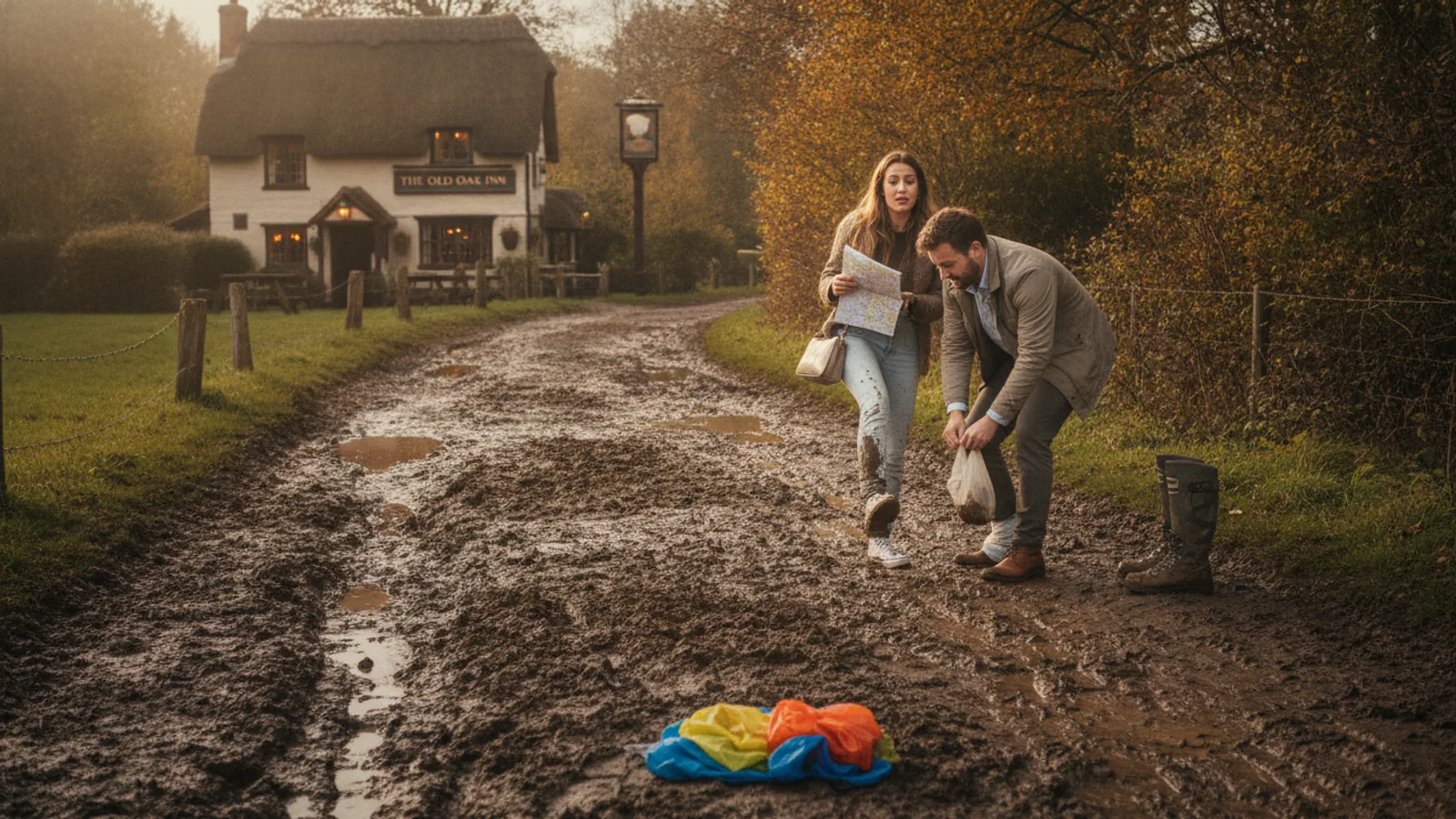
| The path ahead is a quagmire with no obvious dry route around it. | Stop and assess: check for a safer route on higher ground or follow the fence line if there is one. If you can't cross, turn back and use your planned alternative path. | Ploughing through deep mud can lead to slips, falls, and soaked boots, and may cause you to lose time and energy. A safe detour is faster and prevents accidents. |
| You feel a blister starting to form on your heel after a few miles. | Stop immediately, remove your boot and sock, and cover the hot spot with a blister plaster, or if you have none, apply a piece of duct tape. | Catching a blister early prevents it from worsening, which could make the rest of the walk unbearable and force you to abort your plans. |
| The pub is unexpectedly closed when you arrive, or you arrive later than planned. | Stay calm and use a pub app or ask a local for the nearest alternative pub within walking distance, or phone a friend to pick you up at a nearby village hall. | Planning for a closed pub means you are not left stranded and hungry; having a backup plan saves your day and avoids a long, hangry walk back. |
Common Issues
- Walking boots are not properly waterproofed, leading to wet feet within the first mile.: Before the walk, apply a waterproofing wax or spray recommended for your boot material, and ensure the boots are dry and clean before treatment. Reapply after every few uses.
- Mud gets caked on boots and makes them heavy, causing fatigue and reducing grip.: Carry a small plastic scraper or a stiff brush, and use it to remove excess mud from the soles at every rest stop. This keeps your boots light and your footing secure.
- Group members become separated on a foggy, windy path, causing worry and delay.: Agree on a buddy system and set a rule to always wait at trail junctions. Use a whistle (three blasts means 'help') to signal if you become lost, and keep group members in sight.
Advanced Tips
- Use a walking pole or a stick for added stability and to test the depth and firmness of mud before stepping into it; this is especially helpful on descents.
- When walking on a muddy slope, dig your heels in and take short steps with your knees slightly bent to maintain traction and avoid sliding.
- Pack a small bottle of water and a rag to clean off your boots and hands before entering the pub, shows extra respect and keeps your car clean.
Final Checklist
- Route planned with a backup in mind and printed map or downloaded offline map in case of no signal.
- Waterproof boots treated with sealant, and gaiters packed in my daypack.
- Spare dry socks and a small towel in a waterproof bag, plus a change of clothes for the pub.
- Checked pub opening times and made a booking if possible, and noted the phone number just in case.
FAQ
How do I clean my muddy boots after the walk to keep them in good condition?
After your walk, remove loose mud with a stiff brush before it dries. Rinse your boots with clean water (avoid soaking them), and stuff them with newspaper to dry. Once dry, apply a waterproofing treatment to restore their water resistance. Never place them near direct heat, as that can crack the leather or damage the fabric.
What should I do if the weather worsens suddenly during the walk?
If the weather deteriorates to heavy rain, strong winds, or fog, assess your situation: if you are near an escape point or a shelter, make your way there. Otherwise, find a sheltered spot, put on extra layers, and wait for the worst to pass. It is better to delay the walk than to risk getting lost or hypothermic. If you are unsure, call for help or use your map to find the quickest way back to a road.
Is it necessary to carry a fully charged power bank for my phone on a walking trip?
Yes, carrying a power bank is wise, as your phone's battery drains faster in cold weather and when using GPS. A power bank ensures you can keep your phone charged for navigation and emergencies. However, remember that a phone is not a substitute for a map and compass, which should always be your primary navigation tools. Use the power bank to keep your phone as a backup.