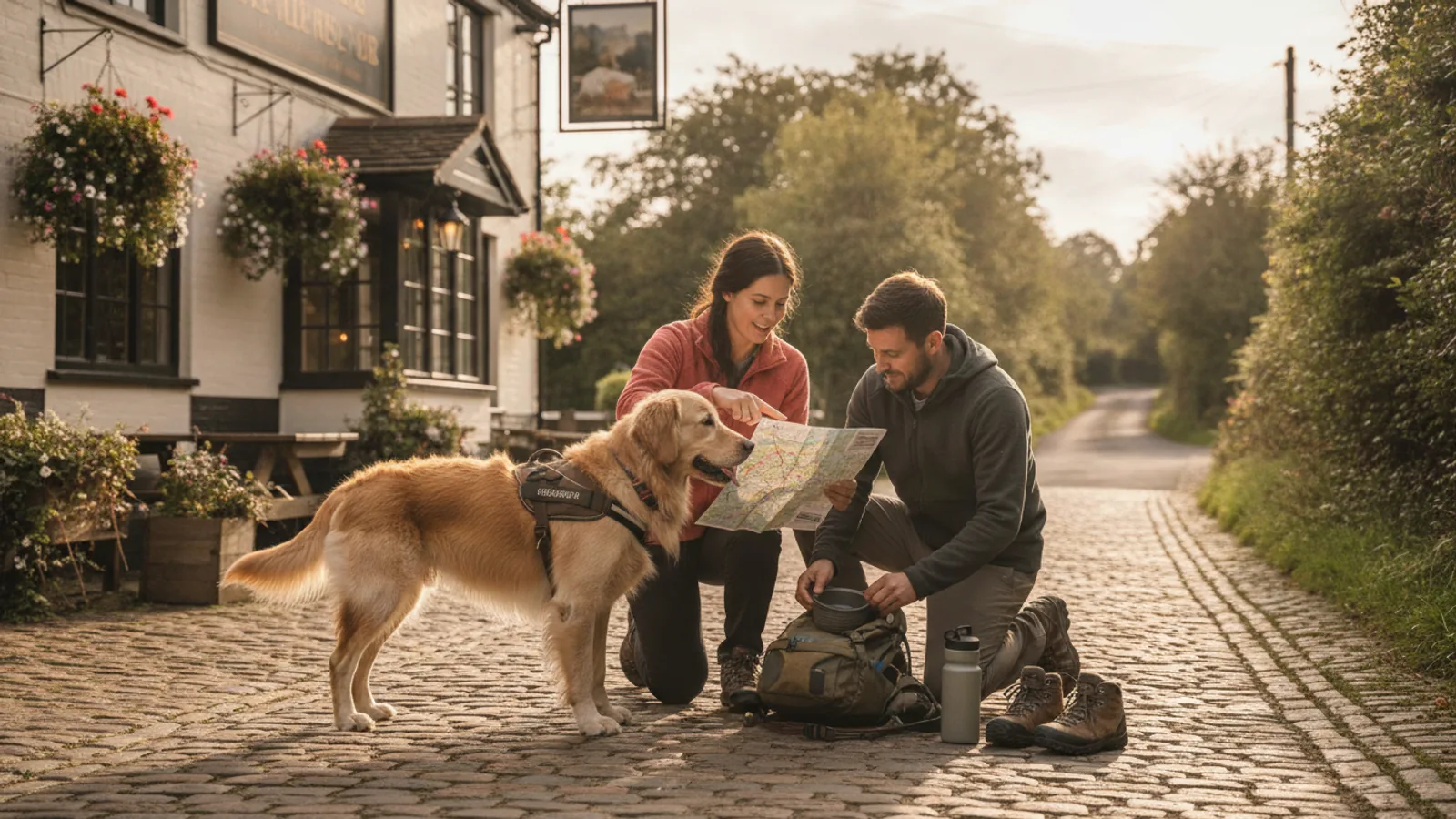
What To Check Before A Coastal Pub Walk Around Tide Times And Parking
A practical step-by-step guide to what to check before a coastal pub walk around tide times and parking, including preparation, instructions, common issues, tips, and next steps.
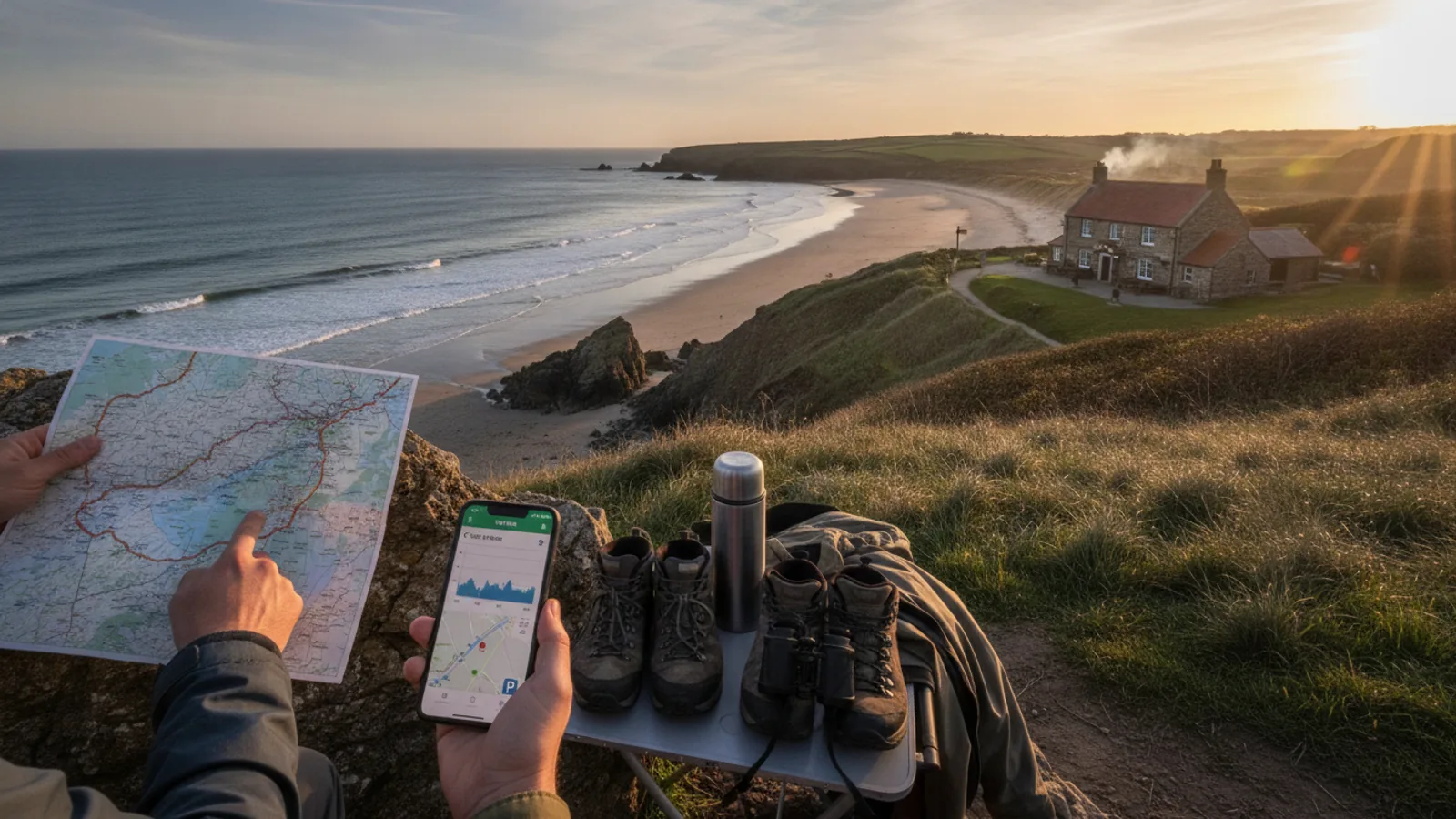
What To Check Before A Coastal Pub Walk Around Tide Times And Parking
Before setting off on a coastal pub walk, check tide times and parking to ensure a safe, enjoyable trip. This guide explains how to consult tide tables, understand tidal patterns, find parking options, and prepare for changing conditions. Following these steps helps you avoid getting cut off by the tide and saves time finding a space. Always prioritize safety and local advice.
Fast Answer
- Check the local tide times for the exact day and location, noting high and low water, and set alerts if available.
- Plan to arrive at least 30 minutes early to find parking and begin your walk with enough time to complete it before the tide rises.
Before You Start
- Look up tide times for your specific coastal area using trusted sources like local harbor office websites or printed tide tables.
- Identify the type of tide (spring or neap) as it affects the range and how far the water will come in.
- Check if the parking area is affected by tidal flooding or requires a permit, and note alternative parking options.
- Wear appropriate footwear with good grip, and bring a map, phone, and a backup power bank.
Step-by-Step Instructions
Determine Your Exact Route and Location
Start by deciding which coastal pub you want to visit and pinpoint its location on a map. Note any nearby walking paths that may be affected by tides. Use a reliable mapping app or paper map to identify the precise route you plan to take, including any sections that cross beaches, estuaries, or causeways. The more specific you are about the location, the more accurate your tide information will be, as tide times can vary significantly even along the same coastline. Also, check if the pub is accessible via a coastal path or if you need to walk along the foreshore. Knowing your exact route allows you to assess risk and plan for safe alternatives.
Access Reliable Tide Timetables
Tide times change daily and differ from place to place. Therefore, you must obtain tide data for the specific date and location of your walk. Consult official tide tables from coastguard agencies, harbor masters, or reputable meteorological websites. Many mobile apps provide tide predictions, but cross-check them with a primary source. Understand the difference between high water and low water, and note the times for both. Also, check the height of the tide, as a spring tide can be significantly higher than a neap tide, meaning water can reach further inland. If you are unsure about reading tide tables, seek guidance from local visitor centers or coastal rangers.
Understand Tidal Patterns and Local Quirks
Tides are influenced by the moon, sun, and local geography, so the same coastline can have unique tidal behaviors. Spend a few minutes learning about the typical tidal range for your chosen area. For example, certain bays may experience double high water, or the tide may rise very quickly over muddy flats. Look for local tide tables that include times for nearby locations, as these often provide better predictions than a distant major port. Additionally, check if there are any local phenomena like rooster tails or rip currents that can affect your safety. Understanding these patterns helps you predict when the water will reach certain points, allowing you to time your walk safely.
Plan Parking Options Early
Parking near coastal pubs can be scarce, especially on weekends and sunny days. Before you travel, research parking options: check if the pub has its own car park, if there is street parking nearby, or if you need to use a public car park. Consider the distance from the car park to the pub, as you will need to walk back after your meal. Also, think about whether the parking area is affected by tides; some coastal car parks flood at high tide. If you cannot find a space, have a backup plan, such as a park-and-ride service or a slightly longer walk. Arriving early is a simple way to beat the rush and secure a spot.
Check for Tidal Flooding and Cuts
Coastal paths can become impassable during high tide or even for a few hours before and after. Identify any sections of your walk that may be covered by water. This includes causeways, bridges, and shoreline footpaths. Check the tide times and calculate how quickly the water rises in your area. Many coastal communities have tidal cutoff times, and you should aim to complete the walk at least two hours before high tide, depending on the local conditions. If you are unsure, choose a route that stays on higher ground. Look for signs indicating flood risk or escape routes, and avoid walking on rocks or seaweed-covered areas when wet.
Prepare for Changing Weather Conditions
Even if the forecast is sunny, coastal weather can change rapidly. Check the marine weather forecast for the specific coastal area, including wind speed and any warnings. Strong winds can make walking difficult and create large waves, which can be dangerous near the water. Also, know the sunset time, as you will need to complete your walk before dark, unless you have proper lighting. Dress in layers and bring waterproof clothing, as sea mist or sudden rain showers can occur. Pack a small bag with essentials: water, snacks, a first-aid kit, and a whistle. Your preparation ensures that you can handle unexpected changes without compromising your safety.
Quick Reference
| Situation | Action | Why it helps |
|---|---|---|
| You see a tidal causeway on the map that leads to the pub. | Note the high tide time; do not cross from two hours before high tide until two hours after, and check for a safe alternative route. | Causeways can be submerged several hours before and after high tide, and you risk being stranded. |
| The pub's car park is full and you are parked on a road that floods. | Move your car to a designated high-ground car park, even if it means a longer walk to the pub. | Flood-prone roads can leave your car submerged, causing damage and blocking emergency access. |
| You are on the coastal path and notice the water is beginning to cover the path ahead. | Turn back immediately and follow a higher inland route, or return to your start point for another day. | Tides can rise quickly, and attempting to cross a flooded path can be fatal. |
Common Issues
- Tide times in the app differ from actual local conditions.: Cross-check with the local harbor master's tide tables or signboards, and use adjusted times for nearby locations.
- Parking meters require coins, but you have no change.: Look for a contactless payment sign, or use a mobile app if available, and if neither exists, choose an alternative car park.
- You lose the path due to high tide and rocky terrain.: Stop, retrace your steps, and use your map or GPS to find a safer route, respecting any 'danger' signs.
Advanced Tips
- Utilize a tide prediction website that offers hourly height information, then plot a safety margin of at least 2 meters above the forecasted height for your walk.
- Learn to read the texture of wet sand: if it's rippled and dimpled, it's likely firm; if it's shiny and smooth, it may be soft, indicating quicksand risk around tidal inlets.
- Consider the wind direction: onshore winds can push water higher than predicted, increasing the tide range and causing waves over paths.
Final Checklist
- Have you verified tide times for your exact location and date, including the height of the tide?
- Have you checked that your route and parking are safe from tidal flooding for at least two hours around high tide?
- Do you have a map, a charged phone, and a backup plan if parking is unavailable?
- Have you informed someone of your walk details and expected return time?
FAQ
What if I cannot find tide times for my specific beach?
Use times from the nearest major port in your tide table, then adjust using the time differences often listed in local almanacs. Alternatively, ask at a local bait shop or visitor center. Always add a safety buffer of at least an hour before and after the high tide times.
Can I walk along the coast at any time if I stay on the seafront promenade?
Promenades are usually safe, but check for any undercut sections or waves overtopping during storms. Even on a promenade, high winds can blow you off your feet. If the promenade is closed, respect the closure, as it indicates a real risk.
Is it okay to park in a field near the coast if the signs permit?
Only if the field is clearly marked as parking and is above the high-water mark. Be cautious of soft ground; if you are unsure, choose a designated car park. Also, note the tide times, as a spring high tide might flood the field.