What To Check Before A Pub Walk Weekend With An Overnight Stay
A practical step-by-step guide to what to check before a pub-walk weekend with an overnight stay, including preparation, instructions, common issues, tips, and next steps.

What To Check Before A Pub Walk Weekend With An Overnight Stay
This guide provides a thorough checklist for planning a pub-walk weekend with an overnight stay, covering everything from route planning and clothing to booking and safety. It ensures you are well-prepared for an enjoyable and trouble-free experience, whether you are a seasoned walker or a first-timer.
Fast Answer
- Check the weather forecast and trail conditions, and pack waterproof clothing and sturdy boots.
- Confirm your pub booking and that your room has a drying area and early breakfast option for walkers.
Before You Start
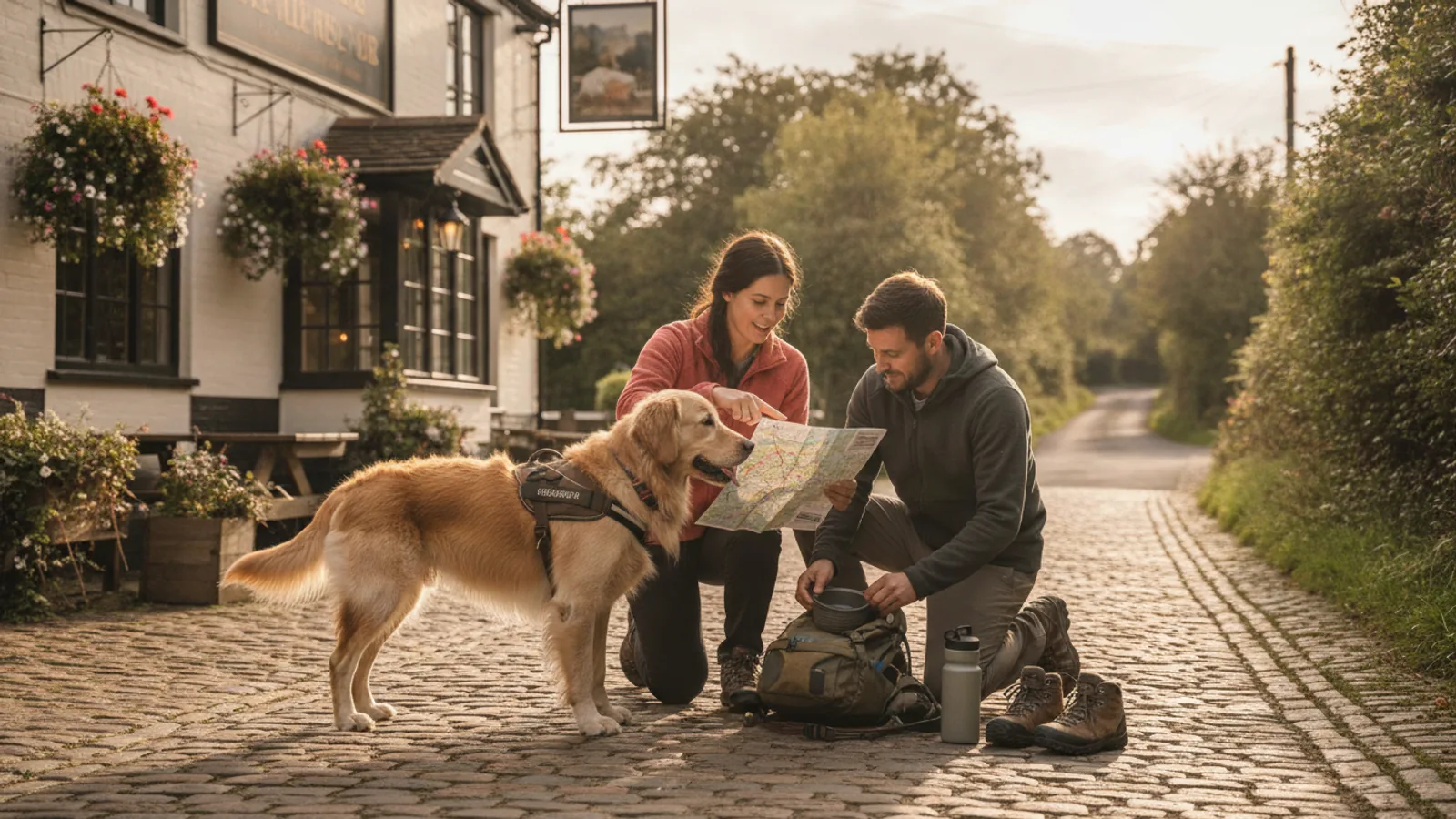
- Review the route map and elevation profile, noting distance, ascent, and estimated time, and download an offline map or GPX file to your phone.
- Inspect your walking boots for wear and tear, replace worn laces, and break in new boots with a few short walks before the weekend.
- Pack a layered outfit: a moisture-wicking base layer, an insulating mid layer, and a waterproof and windproof outer shell, along with a warm hat and gloves.
- Inform the pub of your expected arrival time, and ask about luggage transfer, packed lunch options, and whether they serve food on the evening of your arrival.
Step-by-Step Instructions
Research and Choose Your Route
Start by selecting a route that matches your fitness level and the group's experience. Use reputable walking guides or websites to find a circular walk that begins and ends at your accommodation. Note the total distance, cumulative ascent, and estimated walking time. Look for features like stiles, gates, and waymarking. Check if there are any known hazards such as river crossings, cliff edges, or remote sections. Print or download a detailed map and description, and save an offline copy on your phone as a backup. This preparation ensures you have reliable navigation aids and can assess whether the route is suitable for everyone in your group, especially if you have limited daylight hours.
Check the Weather Forecast and Prepare
Several days before your weekend, check the weather forecast for the specific area and dates of your walk. Pay attention to precipitation, wind speed, and temperature, as these can dramatically affect trail conditions. If heavy rain is predicted, expect muddy paths and potential stream crossings; high winds may make exposed sections unsafe. Adjust your route or timing accordingly. On the morning of the walk, re-check the forecast. Prepare for changeable conditions by packing waterproofs, extra layers, and sun protection. Knowing the forecast helps you pack appropriately and decide whether to attempt the full route or a shorter alternative, ensuring your safety and comfort.
Review Your Footwear and Attire
Inspect your walking boots for signs of wear, particularly the soles, seams, and waterproofing. If the boots have lost their waterproof membrane, treat them with a suitable conditioner. Ensure the laces are long enough and not frayed. Break in new boots by wearing them on a few short walks before the weekend to avoid blisters. Choose socks made of wool or synthetic material, and bring a spare pair. For clothing, adopt a layering system: a breathable base layer, an insulating mid layer such as a fleece, and a waterproof outer shell. Wear trousers that are quick-drying, and avoid jeans. This attention to footwear and clothing minimizes the risk of discomfort, blisters, and exposure to the elements.
Pack Your Daypack with Essentials
Assemble your daypack, keeping it lightweight but comprehensive. Include a map, compass, fully charged phone, and a portable power bank. Carry at least one liter of water per person, more if it's warm, and high-energy snacks such as nuts, dried fruit, and chocolate. Pack a headlamp with spare batteries, a whistle, and a basic first-aid kit. Also, include a lightweight emergency blanket and a bivvy bag or shelter in case of an unexpected overnight. It's wise to carry a small repair kit containing a multi-tool and duct tape. Remember to pack sun cream and a hat even if the forecast is cloudy. These items enable you to handle minor emergencies and navigate safely, as weather can change quickly.
Confirm Your Pub Booking and Arrangements
Contact the pub or inn a few days before your arrival to confirm your room reservation, meal times, and any special requirements. Ask if they provide a packed lunch or can make one to take on the walk, and whether they have a drying room or an airer for wet gear. Inquire about the breakfast time, especially if you plan to start early, and whether they can accommodate early risers. If you are traveling by car, ask about parking facilities and whether you can leave the car there after you've checked out. Also, request the pub's contact number and confirm the address. Having these details clarified in advance ensures a smooth arrival and allows you to plan your day without unnecessary stress.
Prepare for the Overnight Stay
When packing for the overnight stay, think beyond your walk gear. Include a change of comfortable clothes, such as trousers and a shirt, for dinner and the next morning. Don't forget your wash kit, medication, and any items you may need for a good night's sleep, like earplugs or an eye mask. It's also wise to bring a small bag to separate dirty boots and clothing from clean items. If you have any dietary requirements, inform the pub in advance and consider bringing some emergency snacks. Being organized for the overnight portion ensures you are comfortable after your walk and ready for a hearty breakfast the next day, making the experience more enjoyable.
Quick Reference
| Situation | Action | Why it helps |
|---|---|---|
| The weather forecast predicts heavy rain and strong winds during your walk. | Choose an alternative lower-level route or postpone the walk to the following day if possible. | High winds and rain can make paths slippery and expose you to risk from falling branches or hypothermia. |
| You realize you forgot to download the offline map before losing signal. | Use the pub's Wi-Fi to download the map or request directions from the landlord before you leave. | Having a map available on your phone ensures you can navigate even without cell coverage. |
| Your boots are new and have not been broken in yet. | Wear them around the house for several hours and on a short practice walk before the weekend. | Breaking in boots prevents blisters and foot pain that can ruin your walk. |
Common Issues
- The route becomes impassable due to flooding or landslides.: Turn back immediately and find a safe alternate path, or return to the pub and ask the staff for local advice.
- You get lost because the path is not clearly marked.: Stop, use your map and compass to orient yourself, and if you have GPS, use your offline map. If still unsure, call the pub and ask for directions.
- You encounter a stile that is damaged or unsafe to cross.: Look for an alternative gate or gap in the fence, and if none, carefully climb over the stile while testing its stability.
Advanced Tips
- Use a Gaussian-based route comparison to evaluate and plan your walk within the framework of daily energy expenditure.
- Practice using your map and compass before you go, as weather conditions can make electronic navigation unreliable.
- Consider joining a local walking group for your first pub-walk weekend to gain experience and learn from others.
Final Checklist
- Check weather and trail conditions, and share your planned route with a friend or relative.
- Pack waterproofs, layers, a map, compass, headlamp, spare food and water, and a first-aid kit.
- Confirm your pub booking, arrival time, and any special requirements like a packed lunch.
- Ensure your boots are broken in and your clothing is suitable for the expected conditions.
FAQ
What if I don't have a GPS device or offline maps?
You can still navigate using a paper map and a compass, as long as you know how to use them. Before you go, practice taking a bearing and identifying landmarks. Alternatively, you can stick to well-waymarked routes that are easy to follow without them.
How do I know if the route is too difficult for me?
Be honest about your fitness and experience. Look for the route's distance, ascent, and terrain type. Choose routes that are within your comfort zone and gradually build up. Also, consider the weather, as it can make a moderate route challenging.
What should I do if I get injured or feel unwell during the walk?
Assess your condition and decide if you can continue safely. If you are with others, inform them and decide together. If it's serious, call emergency services and give them your location using a map reference or GPS coordinates. Always carry a whistle and a first-aid kit.