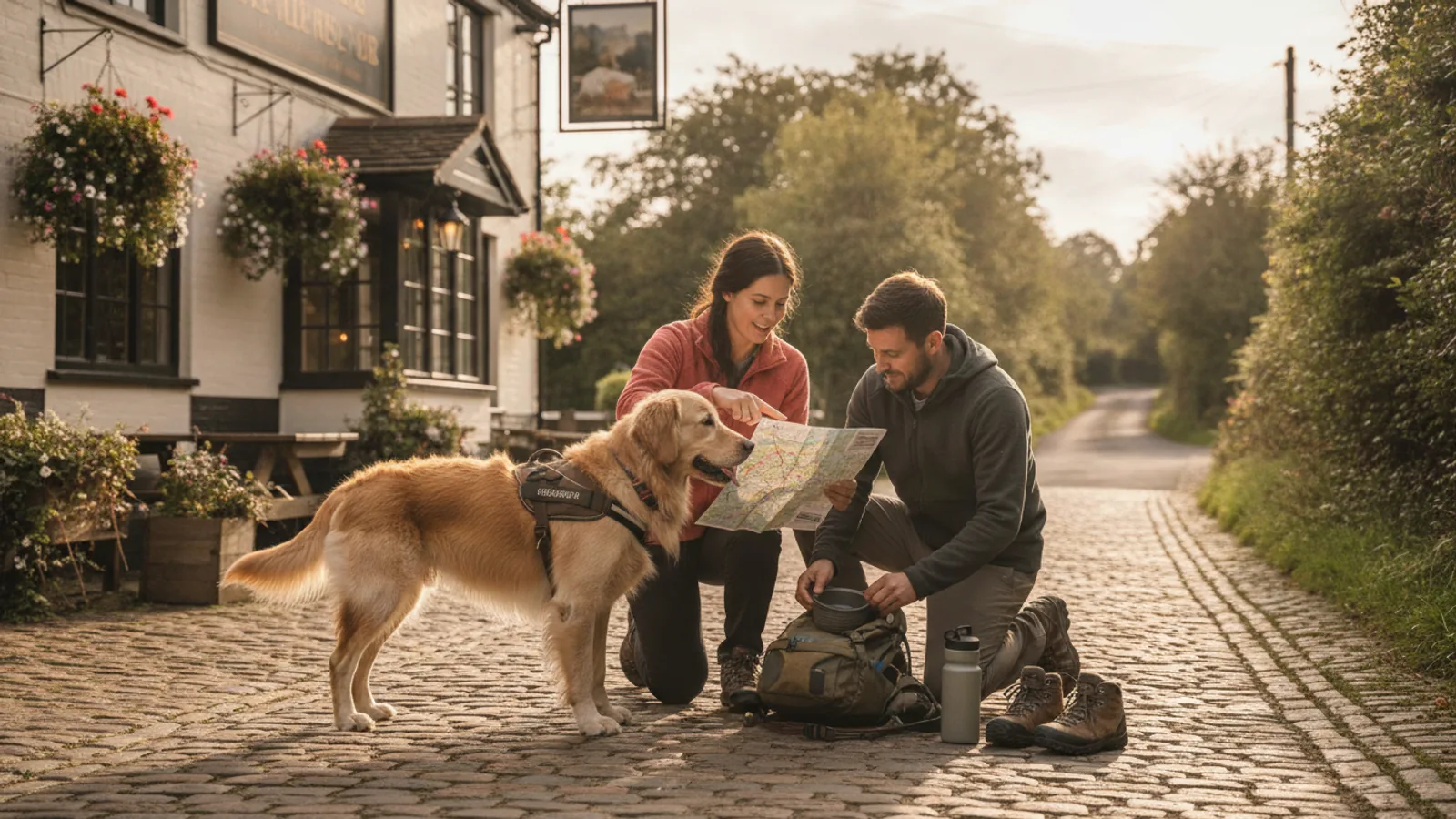
What To Check Before A Country Pub Walk For A First Weekend Away
A practical step-by-step guide to what to check before a country pub walk for a first weekend away, including preparation, instructions, common issues, tips, and next steps.
What To Check Before A Country Pub Walk For A First Weekend Away
This guide helps you prepare for a first weekend away that combines a country pub visit with a walk. It covers essential checks before you leave, from weather and route planning to packing and pub logistics, ensuring a safe and enjoyable experience. Follow the steps to avoid common pitfalls and make the most of your short break.
Fast Answer
- Check the weather forecast and trail conditions, and choose a route that matches your fitness and the expected weather.
- Book a table at the pub in advance and confirm their food service times, especially if you plan to eat after your walk.
Before You Start
- Check the weather forecast for the exact location and time of your walk, including wind and precipitation, and plan layers and waterproofs accordingly.
- Choose a walking route that is within your group's ability and fits the daylight hours, using a reliable map or app, and download offline maps in case of poor signal.
- Contact the pub to confirm their opening hours, kitchen times, and whether they allow muddy boots in the bar area, and book a table if needed.
- Pack a small daypack with water, snacks, a first-aid kit, a charged phone, a power bank, and a headtorch, even for short walks, and tell someone your planned route.
Step-by-Step Instructions
Check the weather and plan your route accordingly
Start by checking the weather forecast for the exact area and time of your walk. Look for details like wind speed, chance of rain, and temperature, not just the daily high. If the forecast shows heavy rain or strong winds, consider a lower-level route or a loop that avoids exposed ridges. Also, check if the ground is likely to be muddy or slippery, which might slow you down. Choose a route that is within the abilities of everyone in your group, and estimate how long it will take based on your pace and the terrain. Remember that daylight hours are shorter in autumn and winter, so start early and allow plenty of time to finish before dusk. Always have a backup plan, such as an alternative shorter walk, in case the weather worsens unexpectedly.
Prepare your clothing and footwear for the conditions
Wear or carry layers that you can add or remove as you warm up or cool down. A base layer that wicks moisture away from your skin, a mid layer for insulation, and a waterproof and breathable outer layer are a good starting point. Choose sturdy, comfortable footwear with good grip, ideally waterproof walking boots or shoes if the ground is wet. Break in any new footwear before the weekend to avoid blisters. Pack a hat and gloves, even in mild weather, and spare socks. Cotton clothing is a bad choice because it stays wet and cold when sweaty or rained on. Instead, opt for wool or synthetic materials. Before you leave, check that your waterproof jacket and trousers have no tears or leaks, and treat them if needed.
Pack a well-stocked daypack with essential gear
Your daypack should include water, at least one litre per person for a few hours, and high-energy snacks like nuts or dried fruit. Carry a basic first-aid kit with plasters, antiseptic wipes, pain relief, and any personal medication. Bring a map and compass, and know how to use them. A fully charged mobile phone is helpful but not a substitute for navigation skills, so also carry a power bank. For walks in remote areas, add a whistle, a headtorch with spare batteries, and a lightweight survival blanket. Even on a short walk, these items can be vital if you get lost or injured and have to wait for help. Check that your rucksack is comfortable and not too heavy, and adjust the straps to distribute weight evenly.
Confirm the pub's opening times, kitchen hours, and booking policy
Call or check online to confirm the pub's exact opening times on the day of your visit. Some country pubs close between lunch and evening service, and others close entirely on certain weekdays. Ask about kitchen times – when they stop serving food – and whether they take bookings. A Friday or Saturday evening can be busy, so reserve a table to avoid disappointment. Also, ask if they allow muddy boots in the bar area or if there is a specific place to leave walking poles and muddy gear. Some pubs have a boot room or offer a bar area where walking boots are fine, but others do not. Clarifying this in advance helps you plan your entry and what to wear into the pub.
Think about parking and getting to the start of your walk
Decide where to park before you set off. Country pubs often have a car park for customers, but it may be small and busy at mealtimes. If you are not eating first, ask if you can leave your car there while you walk, or find a designated public car park nearby. Check the parking rules – some car parks are pay-and-display or have time limits. Look at a map to see if the pub is at the start or end of your walk, and plan your route accordingly. If the walk starts elsewhere, arrange a lift or taxi to avoid a long road stretch. Check for any road closures or events that might affect access on the weekend.
Let someone know your planned route and expected return time
Before you leave, tell a friend or family member who is not on the walk where you are going, the route name or grid reference, and when you expect to be back. Write it down and send it in a message, including the pub's name and your expected arrival time there. If you are walking alone, this is especially important. In an emergency, emergency services can search the right area if they know your plan. When you finish, check in with them to say you are safe. This simple step can make a huge difference if something goes wrong. If your plans change, update them.
Quick Reference
| Situation | Action | Why it helps |
|---|---|---|
| Rain is forecast for the afternoon, but the morning is clear. | Start your walk early, keep to lower ground or a forested route, and pack full waterproofs and a dry bag for valuables. | Starting early avoids the worst of the rain and means you can finish in daylight, while lower ground reduces exposure to wind and slippery descents. |
| You finish your walk and are muddy, but the pub is smart and busy. | Change into clean, dry clothes and clean footwear in the boot room or car park before entering the pub bar. | Most pubs are welcoming, but respecting their space by not trailing mud inside keeps staff happy and helps you get a table in nicer areas. |
| You are unsure if the path is passable after recent heavy rain. | Check online for local trail reports or ask at the pub for advice, and if in doubt, choose a shorter, well-maintained route. | Flooded or boggy paths are unpredictable and can be dangerous; a local expert's advice saves you from turning back halfway. |
Common Issues
- The pub has stopped serving food by the time you arrive after your walk.: Confirm kitchen times when you book, and plan your walk to end at least 30 minutes before the last hot food order. If you are late, ask if there are any snacks like crisps or sandwiches.
- Your feet hurt from new boots or shoes.: Break in new footwear during the weeks before your trip by wearing them on short walks and around the house. On the walk, always wear padded socks and carry blister plasters.
- The car park at the pub is full, and you cannot find parking.: Check the pub's website or call for advice on alternative parking. Look for a village car park or a nearby lay-by, and park considerately without blocking gateways.
Advanced Tips
- Carry a lightweight, high-visibility waterproof bag cover and use a map case to keep your route plan readable in heavy rain.
- Walk the route in a clockwise direction if your map shows steeper ascents early – you tackle them with fresh legs.
- Pack a thermos with a hot drink to enjoy at a summit or halfway point, which lifts morale and keeps you warm.
Final Checklist
- Weather expected and route is within your group's ability and daylight hours.
- Waterproofs, layers, spare socks, and a hat or gloves are packed.
- Phone, map, compass, first-aid kit, and headtorch are in your daypack.
- Pub table booked, kitchen times confirmed, parking arranged, and someone knows your route.
FAQ
Do I really need a map and compass if I have a phone?
Yes, because phone batteries die, screens crack, and rural areas often have poor signal. A combination of a physical map and compass is reliable and does not depend on electricity or a network. You can learn basic map reading quickly.
Can I wear walking boots in the pub, or should I change?
Most pubs allow walking boots in the bar, but it is polite to remove heavy mud at the door. Ask when you book or check their website. Many have a boot rack or a porch. If you are wearing smart boots that are clean, you will be fine.
What should I do if the weather worsens while I am on the walk?
Turn back early if you are not confident in the conditions. Find a shorter route that returns to the pub or a shelter. If you are far from the start, seek shelter in a building or wooded area and wait for a break. Always carry a torch and extra layers.