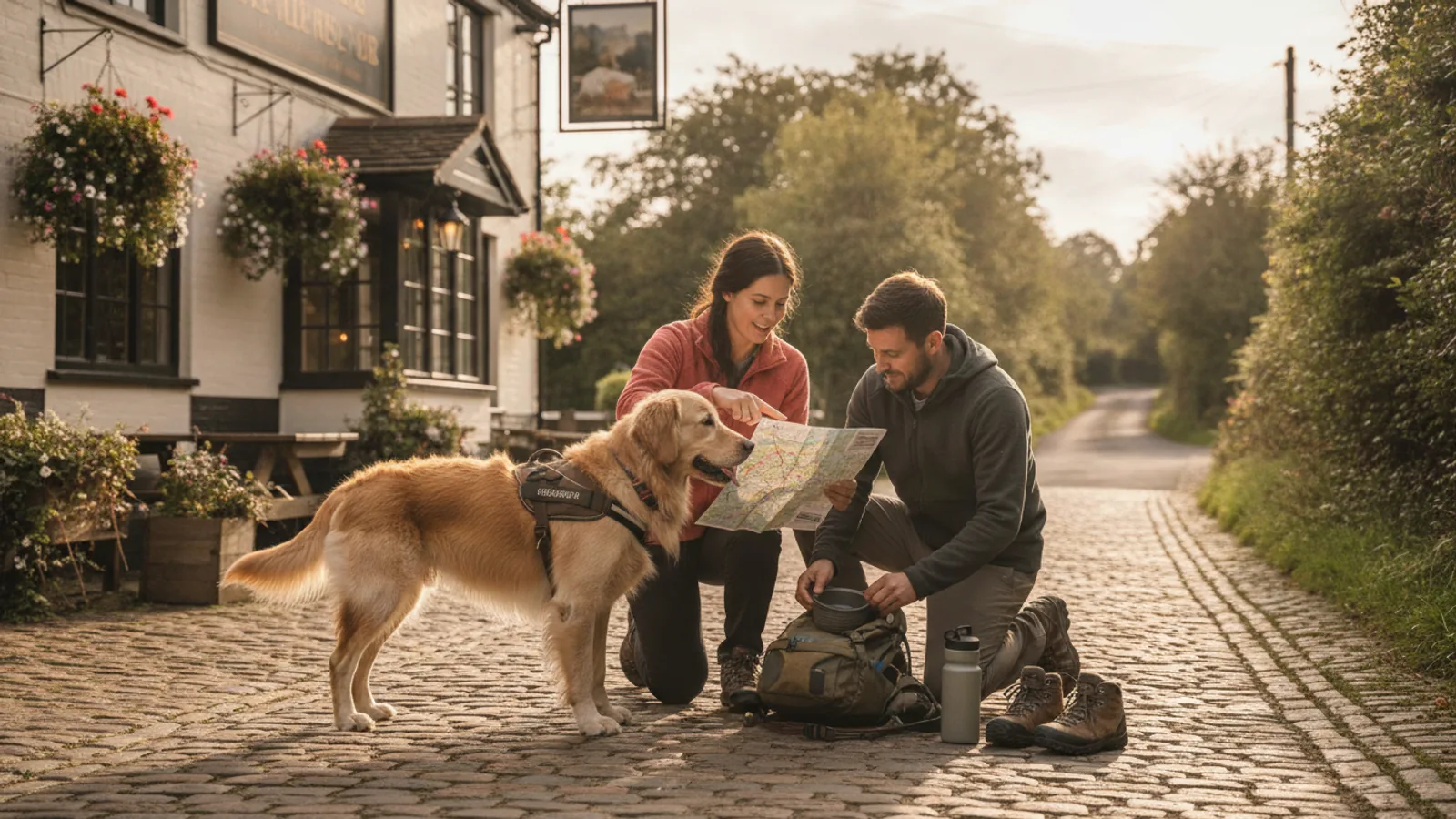
What To Check Before An Autumn Pub Walk With Muddy Path Preparation
A practical step-by-step guide to what to check before an autumn pub walk with muddy-path preparation, including preparation, instructions, common issues, tips, and next steps.

What To Check Before An Autumn Pub Walk With Muddy Path Preparation
Before setting out on an autumn pub walk, prepare for muddy paths by checking the weather forecast, choosing appropriate footwear and clothing, packing essential items, and knowing the route and its conditions. This guide provides a step-by-step approach to ensure you stay comfortable, safe, and dry while enjoying the seasonal scenery and reaching the pub without mishaps.
Fast Answer
- Check the weather forecast and trail conditions before you go, and dress in layers with waterproof footwear to handle mud and rain.
- Pack a daypack with water, snacks, a map, a headlamp, and a change of socks, and plan a route that offers a pub stop with indoor seating.
Before You Start
- Check the long-range weather forecast for the day and evening, including rainfall probability and wind speed, and look for any weather warnings for your area.
- Choose footwear with deep lugs and a waterproof membrane, such as leather or synthetic boots, and break them in before the walk if they are new.
- Wear moisture-wicking base layers and a waterproof and breathable jacket, and pack an insulating mid-layer that you can add or remove as conditions change.
- Plan your route on a paper map or a downloaded trail map, note the distance and elevation gain, and identify the pub's location and opening hours.
Step-by-Step Instructions
Verify the Weather and Trail Conditions
Start by checking the local weather forecast for the exact area of your walk, not just the nearest town, because autumn conditions can vary widely over short distances. Look for the hourly forecast, paying special attention to rain probability, wind speed, and temperature trends throughout the day. If rain is likely, check the trail condition reports from the local park authority or hiking group, as some paths may be closed or overly boggy. For example, low-lying sections near streams can become flooded, and open hillsides can be exposed to strong winds. Understanding these conditions helps you choose an appropriate route and time of day. If the forecast shows heavy rain or high winds, consider postponing the walk or selecting a lower-level route with better shelter. This check matters because it sets the foundation for all other decisions, ensuring you are not caught off guard by sudden weather changes.
Select and Prepare Your Footwear
Your choice of footwear is crucial for a muddy autumn walk. Select waterproof boots with a good tread pattern, preferably with deep lugs that can grip into soft ground. Avoid low-cut shoes or trainers, as they will not provide enough ankle support and can easily become soaked. Before the walk, check the condition of the boots: ensure the soles are not worn down and the waterproofing is intact. If your boots are not new, treat them with a waterproofing spray or wax according to the manufacturer's instructions. Break in new boots for a few short walks before your pub walk to avoid blisters. On the day, wear wool or synthetic hiking socks that wick moisture and provide cushioning. You might also consider gaiters to keep mud and water out of the tops of your boots. This preparation matters because wet feet can cause blisters and make you miserable, and poor grip can lead to slips and falls.
Layer Your Clothing for Autumn Conditions
Autumn weather can change from warm sunshine to cold rain within minutes, so layering is essential. Start with a moisture-wicking base layer that keeps sweat off your skin; avoid cotton, which stays wet and makes you cold. Add a mid-layer such as a fleece or sweater for insulation, and complete your outfit with a waterproof and breathable jacket that has a hood and adjustable cuffs. Consider wearing trousers that are either water-resistant or quick-drying, and avoid jeans as they become heavy and cold when wet. As you walk, you will generate heat, so be prepared to remove the mid-layer when you warm up and put it back on during stops. This check matters because maintaining a comfortable body temperature prevents both overheating and chilling, which can be dangerous in cool conditions.
Pack a Daypack with Essentials
Carry a small daypack with items that help you handle mud, weather, and emergencies. Include a bottle of water, high-energy snacks, a paper map and compass (or a fully charged phone with a downloaded map), a headlamp or flashlight, a basic first aid kit, a multi-tool, and a spare set of dry clothes, especially socks. Also bring a small towel or bandana to wipe off mud before entering the pub, and a waterproof pouch for your phone. For muddy paths, you might pack collapsible walking poles to improve balance and reduce strain on your knees. Pack all items in dry bags or waterproof liners to keep them from getting wet. This preparation matters because being caught without essentials can turn a minor issue into a major problem, and having the right gear ensures you are prepared for unexpected delays or weather changes.
Follow Safe Navigation and Muddy-Path Techniques
As you walk, use your map and compass or GPS to stay on track, and be aware of your surroundings at all times. On muddy sections, avoid walking on the very edge of the path where the ground may be softer and more slippery. Walk on grass or foliage at the side if the path is too muddy, but be careful not to damage fragile vegetation. When descending a slippery slope, keep your weight over your feet and take short, deliberate steps. Use walking poles for additional stability, and be prepared to cross streams using bridges if available. If you encounter deep mud, step in the footprints of others or where the ground appears firmer. This matters because muddy paths are a leading cause of slips and falls, and good navigation prevents you from getting lost in poor weather conditions.
Arrive, Clean Up, and Celebrate at the Pub
When you reach the pub, do a quick check of your condition: ensure you are not too wet or cold, and change into dry socks or a dry top if needed. Before entering, use a stick or a nearby cleaner to scrape excess mud off your boots, and wipe your boots with a towel or rag. Many pubs have a designated area for muddy boots, so look for a boot rack or a sign asking you to leave footwear at the door. Once inside, hydrate and have a snack or a meal, and check the bus timetable or taxi service if you need to return. If the pub has a log fire, stand near it (but not too close) to warm up slowly. This matters because it ensures you enjoy the reward of your walk without discomfort, and it shows respect for the pub's space by minimizing mud and mess.
Quick Reference
| Situation | Action | Why it helps |
|---|---|---|
| The weather forecast shows heavy rain and poor visibility for the day of your walk. | Postpone the walk to a drier day, or change to a shorter, lower-level route with reliable shelter, and always inform someone of your revised plan. | Heavy rain increases the risk of slips, floods, and hypothermia, and poor visibility makes navigation harder, so it is safer to adjust your plans. |
| You encounter a section of path that is extremely muddy and boggy. | Slow down, test the ground with a pole or stick before stepping, and walk around the mud on firm grass or rocks if it is safe, avoiding high heels or thin-soled shoes. | Testing the ground helps you avoid sinking into deep mud or slipping on a hidden slick surface, reducing the risk of falls and injuries. |
| You arrive at the pub with wet and muddy boots and clothes. | Use the boot scraper outside, remove your boots if there is a boot room or mat, and change into dry socks from your pack before going inside, as many pubs require this. | This keeps the pub clean and ensures you are comfortable and less likely to catch a chill, so you can enjoy your time without being the source of mess. |
Common Issues
- You get blisters on your heels or toes during the walk.: Stop as soon as you feel a hot spot. Dry the area, apply a blister plaster or moleskin, and change your socks if they are moist. Reassess your boot fit: lace them snugly but not tightly, and consider wearing liner socks to reduce friction.
- You fall on a slippery muddy slope and get wet and dirty.: Stay calm and check for injuries before moving. If you are not hurt, get up slowly and assess your gear. Change into dry clothes from your pack if necessary, and consider shortening your route if your boots are soaked and you are cold.
- You lose sight of the trail or the trail becomes impassable due to flooding.: Stop and consult your map and compass or GPS. If the path is flooded, find a safe detour by walking uphill or around the obstacle, but never wade through fast-moving water. If you are unsure, turn back to the last known safe point and call for help if needed.
Advanced Tips
- Consider wearing waterproof gaiters over your boots to keep mud and water out of the laces and the top of the boot, which is especially helpful in tall grass or bogs.
- Before you leave, apply a waterproofing treatment to your boots and allow it to dry completely, and reapply it after every few walks to maintain its effectiveness.
- If you plan to walk after dark, bring a headlamp and spare batteries, but also start the walk early enough to complete the majority in daylight to minimize the risk of getting lost.
Final Checklist
- Check the weather forecast and trail conditions, and confirm the route with a reliable map.
- Wear waterproof boots with good tread, and bring waterproof clothing and extra socks.
- Pack a daypack with water, snacks, first aid kit, headlamp, and a fully charged phone.
- Inform someone of your route and expected return time, and carry a map and compass as backup.
FAQ
What should I do if the weather turns bad suddenly during my walk?
If weather suddenly worsens, find shelter if possible, such as under a dense tree canopy or in a bothy if available. Put on all your layers, including your waterproof jacket and rain pants. Assess the situation: if the conditions are dangerous, turn back or take a safer route that you know well. Keep your phone dry in a waterproof pouch and, if you get lost, call emergency services and stay put to be found.
How can I prevent my boots from slipping on mud?
To prevent slipping on mud, choose boots with deep, aggressive lugs and a sole made from sticky rubber. When walking on muddy paths, step on firm ground like grass or rocks, and avoid walking on the smooth, worn path surface. You can also use walking poles to improve stability, and take shorter steps to maintain your balance. If the path is very slippery, consider attaching traction devices like strap-on crampons that are specifically designed for mud.
Is it safe to walk on muddy paths in autumn?
Yes, it is safe if you are well-prepared. Check the weather, wear appropriate footwear, and choose a trail that matches your experience. Walk at a steady pace, be extra cautious on slopes, and avoid walking on muddy paths after heavy rain if they are prone to flooding. Always let someone know your plans and carry a map. With the right gear and mindset, autumn pub walks can be a wonderful experience.