A Country Pub Walk For A First Weekend Away Checklist For First Time Readers
A practical step-by-step guide to a country pub walk for a first weekend away checklist for first-time readers, including preparation, instructions, common issues, tips, and next steps.
A Country Pub Walk For A First Weekend Away Checklist For First Time Readers
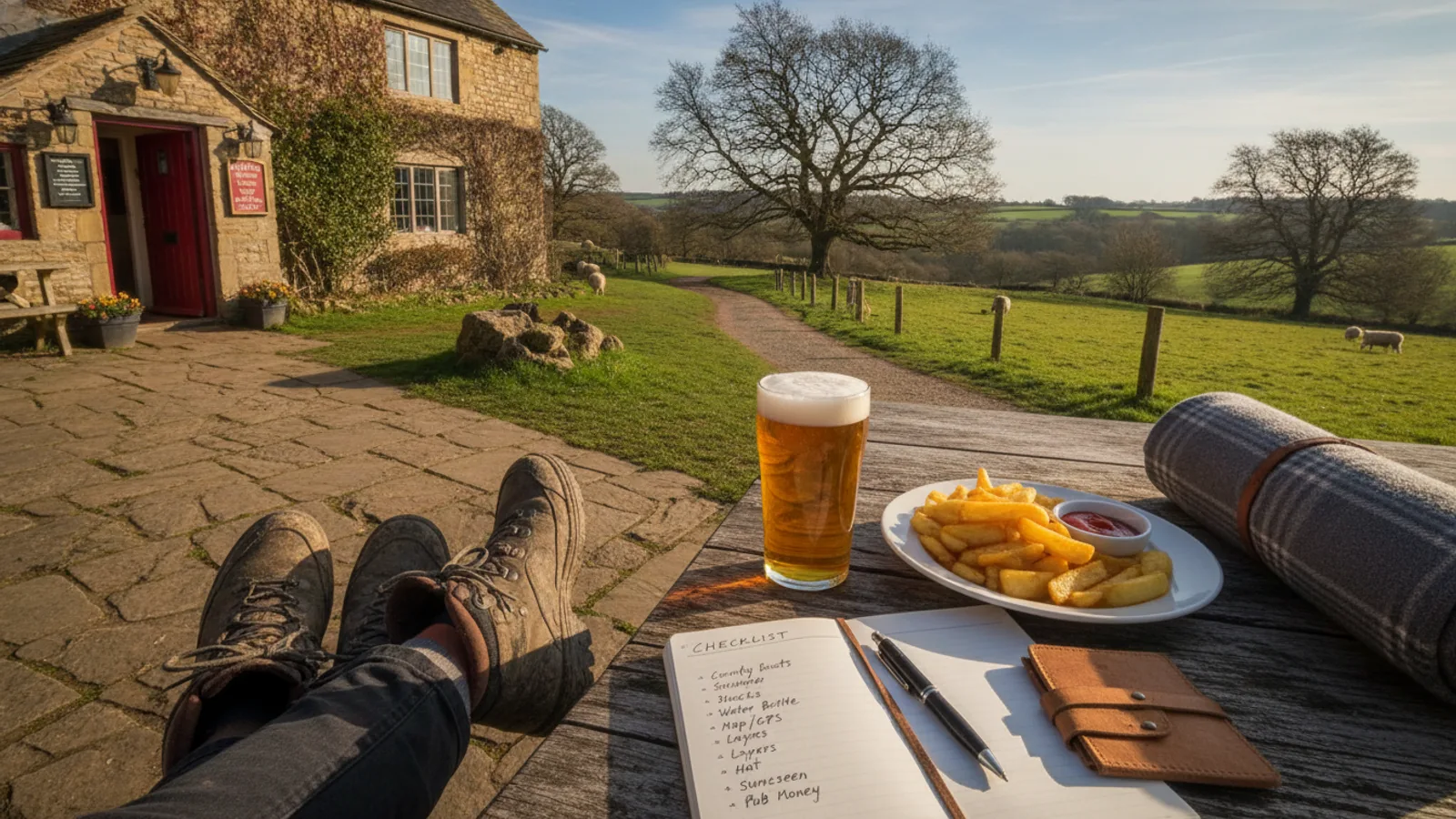
This guide prepares first-time readers for a classic country pub walk, covering everything from route planning and packing to pub etiquette and safety. It provides a practical checklist to ensure a relaxed, enjoyable first weekend away, blending gentle exercise with the warmth of a traditional rural inn. You will learn how to choose a walk that suits your fitness, what to wear and carry, how to navigate safely, and how to make the most of your pub visit. The focus is on preparation, flexibility, and savoring the simple pleasures of the countryside.
Fast Answer
- Choose a circular walk of 3 to 5 miles with a pub at the midpoint or end, and check the weather forecast before you set out.
- Pack a small daypack with water, snacks, a map, a phone power bank, and layered clothing, then book a table at the pub in advance.
Before You Start
- Select a walk from a reliable source like a local walking guidebook or a trusted walking website, and check that the route is within your ability.
- Check the pub's opening hours and whether it serves food all afternoon or only at certain times, and book a table if required.
- Lay out your clothing and footwear the night before, keeping in mind that the weather can change quickly in the countryside.
- Tell someone your planned route and estimated return time, and save the pub's phone number in your phone just in case.
Step-by-Step Instructions
Pick the Right Walk and Pub
Start by choosing a circular route that is manageable for your group's experience and fitness level. Look for walks described as 'gentle' or 'easy' if you are new to this, and aim for a distance of around 3 to 5 miles, with minimal steep hills. Verify that the pub or inn is located along the route, ideally at the midpoint or the finish, and check that it serves meals at the time you plan to arrive. Call the pub or check its website for current opening hours and food service times, as many rural pubs close in the afternoon. Also, confirm you can park nearby if you are driving to the start. Finally, print or download a map of the route from a local walking resource, and note any waypoints or stiles you will encounter. This upfront planning prevents surprises and ensures a relaxed day.
Pack the Essential Daypack
A well-stocked daypack keeps you comfortable and safe. Begin with a lightweight backpack, and pack the following: at least 500 millilitres of water per person, a couple of high-energy snacks such as nuts or fruit, a paper map and a compass or GPS device, a fully charged phone and a power bank, a basic first-aid kit with plasters and blister plasters, sun protection (hat, sunscreen, and sunglasses), and a waterproof jacket. Also, pack a small torch and a whistle in case you are delayed. Place everything in sealed plastic bags to keep them dry. Before you leave, weigh your pack to ensure it is not too heavy; a filled daypack should not feel burdensome when you lift it. Good packing ensures you are ready for weather changes and minor mishaps without overloading yourself.
Dress in Layers with Proper Footwear
Wear comfortable, broken-in walking boots or sturdy shoes with a good grip, and pair them with moisture-wicking socks that are not too thick. For your clothing, adopt the layering system: a base layer of lightweight synthetic or wool fabric to wick sweat away, a mid layer such as a fleece for warmth, and a waterproof outer layer to shield against wind and rain. Avoid wearing cotton, as it becomes cold and heavy when wet. Before you set off, check that your boots are laced firmly but not too tight, and consider applying a blister-prevention balm to your feet. By dressing correctly, you avoid overheating or chilling during the walk, and you reduce the risk of blisters and discomfort on rough terrain.
Navigate Carefully and Stay Aware
As you walk, keep your map and compass accessible and check your position at every junction, using physical landmarks such as a distinctive tree, farm, or stream to confirm your progress. If you are using a phone or GPS device, remember that batteries drain quickly in cold conditions, so use it sparingly and keep it in a warm pocket between checks. When following a path, watch for official waymarks—often painted arrows on gates, fences, or posts—and if you lose the path, retrace your steps to the last confirmed point instead of guessing. Stay aware of your surroundings and give way to farm animals, especially cows with calves, by walking calmly and quietly around them. This careful approach prevents getting lost and ensures a safe, enjoyable trip without unnecessary stress.
Relax at the Pub with Etiquette in Mind
When you reach the pub, remove any muddy boots if there is a boot room or mat, and stow your walking poles by the door. Approach the bar or find your pre-booked table, and greet the staff politely. If you have booked a table, let them know your name and the time. When ordering, consider that you may be warm after the walk, so take a moment to cool down before choosing hot drinks. Remember that pub service is often at the bar for drinks and sometimes food, so watch how other customers order and follow that pattern. Also, be patient during busy times, especially on weekends. After your meal, thank the staff before you leave. Simple courtesy ensures a pleasant experience and keeps this tradition alive for everyone.
Finish with a Safe Return and Review
After your meal, check the time and plan your return journey. If you walked a circular route, you may need to retrace part of your steps, so keep your map ready and note any shortcuts or paths you saw earlier. If the weather has turned worse, consider taking a safer, less exposed route or calling a taxi if you are near a road. Once you are back at your car or home, check your feet for any hot spots or blisters and treat them promptly. Finally, review the walk: what did you enjoy, what would you change, and would you attempt a longer walk next time? This reflection helps you become a confident walker, and it may also inspire you to book another weekend away. A proper finish ensures your first-time experience is positive and encourages you to continue.
Quick Reference
| Situation | Action | Why it helps |
|---|---|---|
| You reach a junction with five different paths and no waymarks. | Stop, take out your map and compass, and identify your current location by looking for distant landmarks. If still unsure, retrace your steps to the last known point rather than guessing. | Stopping and confirming your position avoids getting lost, and retracing is safer than venturing into the unknown, especially in unfamiliar terrain. |
| The sky darkens quickly and a storm is approaching as you walk. | Put on your waterproof jacket and hat, and seek low ground away from trees, summits, and open fields. If the wind is strong, hold your map and check if there is a shorter route to the pub. | Seeking low ground reduces the risk of lightning strikes and flying branches, and a shorter route gets you to shelter quickly without unnecessary exposure. |
| You arrive at the pub but have not booked a table and it is full inside. | Ask the bar staff if they have any space in the garden or a standing area, and offer to wait for a table. If none is available, ask if they do takeaway, or ask for a recommendation for another nearby pub. | Politeness and flexibility increase your chances of a seat, and having a backup plan ensures you still get refreshments after your walk. |
Common Issues
- You develop a blister on your heel during the walk.: Stop as soon as you feel a hot spot, clean the area with an antiseptic wipe from your first-aid kit, apply a blister plaster, and adjust your sock or lacing. If the blister is painful, put a moleskin pad over it, but do not burst it unless it is large and then cover it.
- You cannot find the footpath because the waymark is missing or overgrown.: Use your map to locate the path by comparing features like streams or fence lines. If you are still uncertain, follow the path's general direction indicated on the map, and look for worn tracks or gates. If you have a phone signal, use the map app to zoom in, but do not rely on it.
- The pub kitchen is closed when you arrive, despite your plan.: Have a backup snack from your daypack, and ask the pub if they serve any food at all, or if they have a nearby partner pub. Enjoy a drink and wait, or change your plans and head to the alternate pub you researched earlier.
Advanced Tips
- Plan your walk using an app or website that shows elevation profiles and difficulty ratings, and filter for walks that are under 300 metres of ascent if you are just starting.
- Take a pair of lightweight binoculars to spot birds and other wildlife, which enriches the 'pub walk' experience and adds a layer of mindful nature observation.
- Learn a few basic compass skills and practice them in a park before your trip, so you are comfortable using the compass and map when the path disappears.
Final Checklist
- I have chosen a circular walk and researched the pub's hours and table booking options.
- I have packed a daypack with water, snacks, a map, a compass, a phone, and a power bank.
- I have worn layered clothing and broken-in walking shoes, and I am carrying a waterproof jacket.
- I have told someone my route and expected return time, and I have the pub's phone number saved.
FAQ
How do I know if a walk is suitable for beginners?
Look for walks labeled 'easy' or 'gentle' on walking websites or in guidebooks, and check the distance and described terrain. A good first walk is between 3 and 5 miles with minimal steep climbs and a well-defined path. Always read recent comments from other walkers about mud or difficult stiles, and consider starting with a short, flat walk to build confidence.
What should I do if the weather turns bad mid-walk?
Put on your waterproof layers immediately, and consider shortening your route to reach the pub or your car sooner. Avoid open ridges and high ground during storms, and never shelter under a lone tree. If visibility is poor, use your map and compass to navigate, and if you are deeply concerned, call for help or find a safe indoor place to wait.
Can I wear ordinary trainers or running shoes for a country walk?
For a short, dry walk on even ground, trainers with good grip may be acceptable, but they offer little ankle support and can be slippery on mud or wet grass. For a proper country walk, especially on uneven paths, it is better to wear walking boots or sturdy walking shoes. They protect your feet from sharp stones and provide better traction, reducing the risk of slips and sprains.