A Riverside Pub Walk After Wet Weather Checklist For First Time Readers
A practical step-by-step guide to a riverside pub walk after wet weather checklist for first-time readers, including preparation, instructions, common issues, tips, and next steps.

A Riverside Pub Walk After Wet Weather Checklist For First Time Readers
This guide provides a practical checklist for first-time readers planning a riverside pub walk after wet weather. It covers essential preparation, step-by-step actions, safety warnings, and common issues to ensure a safe and enjoyable outing.
Fast Answer
- Before heading out, check the weather forecast and river levels, wear waterproof boots with good grip, and pack dry clothes in a waterproof bag.
- During the walk, keep to higher ground, watch for slippery patches and fast-moving water, and know your escape routes to higher ground or the pub.
Before You Start
- Check local weather forecasts and any flood alerts or river level readings from your regional environment agency or council website.
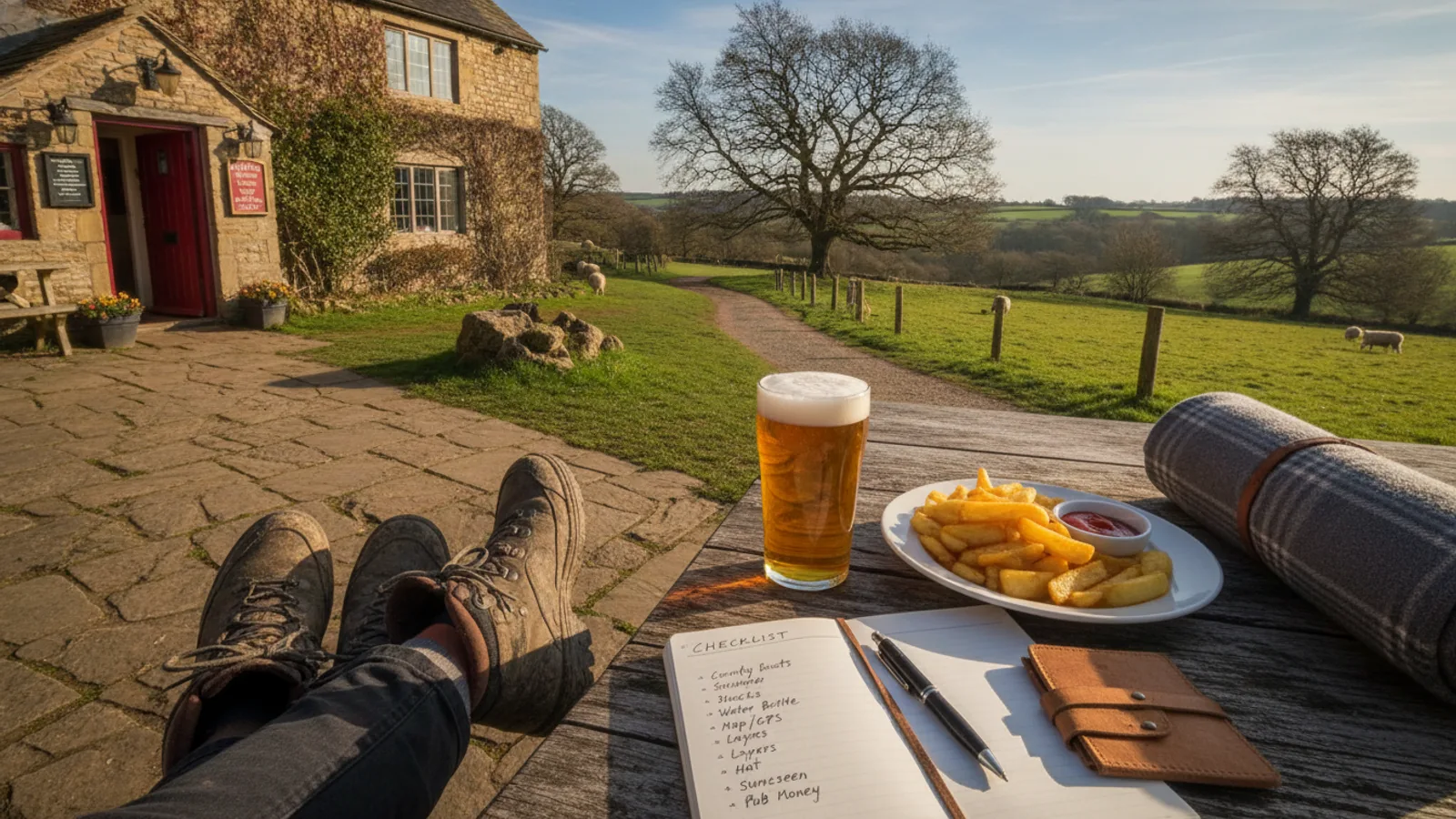
- Wear waterproof, non-slip footwear such as wellies or hiking boots, and consider gaiters to keep mud and water out.
- Pack a daypack with a change of clothes, a warm layer, a waterproof jacket, and a small towel in a dry bag.
- Inform someone of your planned route and expected return time, and save the pub's phone number in case of delays.
Step-by-Step Instructions
Assess the Weather and River Conditions
Start your walk by checking the most current weather forecast and any flood warnings for the area. Look for signs of recent heavy rain and rising river levels. If the day is dry but the river is high, the ground may still be saturated and slippery. Check the river's flow from a safe vantage point: if it's churning brown and full of debris, avoid walking close to the bank. Also, look out for visible footprints or fresh tire tracks on the path—if others have been walking, it’s likely passable, but remember conditions change. This check is crucial because entering a flood-prone area or walking on unstable ground can put you at risk.
Dress Appropriately for Wet Trail Conditions
Put on waterproof, insulated boots with deep treads to provide grip on mud and wet grass. Choose quick-drying trousers—denim absorbs water and becomes heavy and cold. Layer your clothing so you can adjust to changing temperatures: a moisture-wicking base layer, an insulating mid-layer, and a waterproof outer shell. Wear a hat and waterproof gloves if the weather is cold. Also, carry a spare pair of socks and a thermal top in a dry bag. This preparation is vital because walking in wet clothes can lead to discomfort, blisters, and even hypothermia in cold weather. Proper footwear prevents slips and keeps your feet dry, which is essential for maintaining body warmth and preventing trench foot.
Plan Your Route and Identify Escape Points
Study a map of the path and note the locations of higher ground, alternative routes, and the pub's exact position. Identify at least two escape points where you can leave the riverside and head uphill if the path becomes unsafe. Check if any footbridges or gates might be closed due to flooding. Consider the terrain: will you be walking over fields, through woods, or along a narrow path? Estimate the time the walk will take, and add extra time for slower, muddy ground. Share your plan with someone at home. This planning ensures you won't be caught off guard by rising water or find yourself stranded, as knowing your options allows you to make split-second decisions to ensure your safety.
Pack a Riverside Emergency Kit
Assemble a small, waterproof kit that includes a fully charged power bank, a whistle, a flashlight or headlamp, a basic first-aid kit, a foil emergency blanket, high-energy snacks, and a bottle of water. Add a pair of lightweight, slip-on sandals or water shoes to change into if your boots get soaked. Place everything in a waterproof dry bag and keep it accessible at the top of your backpack. This kit is essential because it prepares you for unexpected situations like getting lost, delays, or minor injuries. A whistle and light can signal for help, while the blanket and snacks help prevent hypothermia and keep energy up until you reach the pub or assistance arrives.
Navigate the Trail Safely on Slippery Ground
Walk at a steady, measured pace and use a trekking pole or sturdy stick to test the ground ahead, especially on muddy patches or near edges. Step on solid, level surfaces—avoid loose stones, mud, and exposed roots. On steep slopes, travel diagonally to maintain balance, and use handholds if available. Keep a safe distance (at least two meters) from the water's edge when the bank is wet, as banks can collapse unexpectedly. Lean slightly forward and bend your knees to improve stability. This technique is critical because wet surfaces dramatically increase the risk of slipping, and a fall near the water could lead to injury or immersion in cold, fast-moving water, which can be life-threatening.
Arrive at the Pub and Prepare for Entry
Before entering the pub, use the boot brush or a stick to remove as much mud and debris from your footwear and clothing as possible. Take off your muddy boots if there is a boot room or a designated area, or use the pub's facilities if allowed. Change into clean, dry clothes if you brought them, and hang up wet outerwear on designated hooks. Be considerate of the pub's cleanliness and other patrons. This practice is not just about etiquette—it respects the property and helps maintain a welcoming atmosphere for all customers. Clean, dry socks also prevent discomfort and blisters, and you'll enjoy your meal much more when you're warm and dry.
Quick Reference
| Situation | Action | Why it helps |
|---|---|---|
| You reach a section of the path that is underwater and cannot see the ground. | Stop immediately and do not attempt to wade through. Turn back and take an alternative higher route if possible, or call for advice if you're unsure. | Floodwater can obscure hazards like submerged branches, sharp objects, or deeper drop-offs, and the force of moving water can sweep you off your feet. |
| The path is a narrow, muddy trail with a steep drop to the river. | Slow down, take small steps, and use handholds from vegetation or a trekking pole. Keep at least two meters away from the edge and avoid walking on the saturated lip. | Slippery surfaces increase the risk of falling, and a slip near a steep bank can lead to a serious fall or drowning. |
| You feel cold, wet, and tired halfway through the walk. | Find a sheltered spot, add a warm layer, have a snack and drink water. If you're shivering or feel very cold, consider shortening the route and heading directly to the pub. | Cold and fatigue can lead to hypothermia and poor judgment, so it's essential to warm up and restore energy before continuing. |
Common Issues
- Your feet get soaked and you start to feel blisters forming.: Stop and dry your feet, put on the spare dry socks you packed, and apply a blister plaster if needed. If you don't have spare socks, stuff dry leaves or newspaper around your feet inside boots to absorb moisture.
- You get lost when the path becomes indistinct due to mud or flooding.: Refer to your offline map or phone to retrace your steps. Look for landmarks or signs of the main path, such as fences or trees. If unsure, backtrack to the last known point and call a contact for guidance.
- A sudden downpour makes the ground more slippery and visibility poor.: Put on your waterproof jacket and hood, and wait a few minutes under a tree or overhang if conditions are severe. If the rain persists, consider delaying the walk by heading to a café or shelter until it passes.
Advanced Tips
- Learn to read river levels by observing the height, color, and flow—if it's rising, muddy, and carrying debris, it's unsafe to be near.
- Use OS maps (or equivalent) to identify contours and avoid low-lying flood-prone areas.
- Invest in a pair of microspikes or removable studs that can be fitted to boots for extra grip on icy or extremely slippery sections.
Final Checklist
- Checked the weather and river forecasts for any warnings.
- Worn waterproof, high-grip footwear and layered clothing.
- Packed emergency kit, dry clothes, and a map.
- Told someone your route and expected arrival time at the pub.
FAQ
Is it safe to walk alongside a river after heavy rain?
It can be safe if you take precautions. Check local warnings, stay on higher ground, and keep a safe distance from the water. Never attempt to cross flooded paths. Remember that banks can be slippery and unstable.
What should I do if a path is flooded but I can see the bottom?
Even if you can see the bottom, do not attempt to wade through. Fast-moving water can knock you off your feet, and submerged hazards could cause injury. Always turn back and find an alternative route.
Can I wear regular trainers for a riverside walk after rain?
No. Regular trainers have poor grip on wet mud and are not waterproof. They will become soaked, increasing the risk of blisters and cold feet. Invest in waterproof boots with good traction.