A Countryside Pub Stop For A Relaxed Sunday Walk Checklist For First Time Readers
A practical step-by-step guide to a countryside pub stop for a relaxed Sunday walk checklist for first-time readers, including preparation, instructions, common issues, tips, and next steps.
A Countryside Pub Stop For A Relaxed Sunday Walk Checklist For First Time Readers
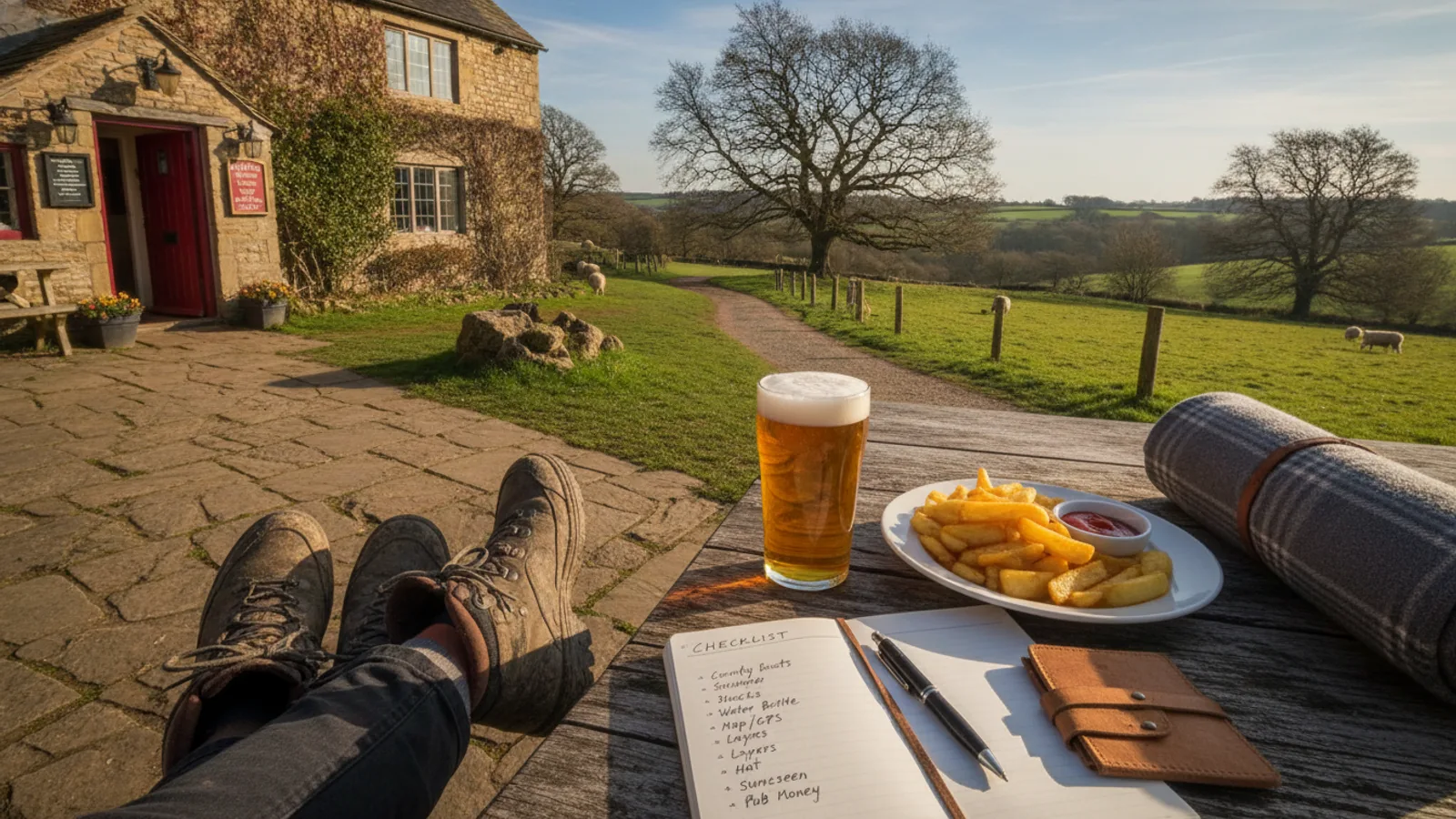
This guide gives first-time readers a gentle, practical path to turning a countryside pub stop into the heart of a relaxed Sunday walk. It covers choosing a walk that suits the season, checking pub opening hours and booking rules, packing light but useful items, following simple waymarking, and knowing what to do if the weather turns or the path disappears. The tone is calm and supportive, with no need for special gear or prior experience. You will learn how to start with a proper pub check, plan a route that ends at the door, keep yourself comfortable, handle small surprises, and finish with a simple checklist for next time. Each step explains why the action matters, so you build confidence without feeling rushed. By the end, you will know exactly how to prepare, what to watch for on the walk, and how to make the pub break feel like a reward rather than an afterthought.
Fast Answer
- Before you set out, phone the pub to confirm it serves food on Sunday and to ask whether you need to book a table, because many rural pubs close between lunch and evening or stop serving at a set time.
- Pick a walk that finishes at the pub car park or front door, and keep the route short enough for a relaxed pace with time to stop for views, photos, and a proper rest before you eat.
Before You Start
- Check the pub's website or social media for Sunday opening hours, food service times, and any seasonal closure notices, and write down the phone number in case you need to call from the road.
- Choose a circular walk of two to four miles on well-marked paths, using an Ordnance Survey map or a reputable walking app, and print a simple route description or save it offline on your phone.
- Pack a small daypack with water, a waterproof jacket, sun protection, a snack, a basic first-aid kit, and a fully charged phone, and put everything in a bag that sits comfortably on your back.
- Wear shoes with good grip and comfortable, broken-in footwear, and dress in layers so you can add or remove clothing as the temperature changes during the walk.
Step-by-Step Instructions
Check the Pub and Book a Table
Before you plan anything else, phone the pub or look at its website to confirm that it serves food on Sunday and to ask whether you need to book a table. Many rural pubs close between lunch and evening, and some stop serving food at a set time, such as 2:30 or 3:00 in the afternoon. It may also be helpful to ask about dog policy, outdoor seating, and whether they have a car park. If the pub is popular, a Sunday booking might be essential, especially in good weather. You should also ask what time the kitchen closes so you can plan your walk to arrive with enough time to order. This check matters because it prevents the most common disappointment: finishing your walk hungry and finding the kitchen shut. It also gives you a fixed time to aim for, which helps you pace yourself and avoid rushing. If the pub is fully booked, you can either adjust your plans or choose a different pub nearby.
Select a Suitable Circular Walk
Choose a circular walk that starts and ends at the pub, or at a car park within a few minutes' walk of the pub. Look for a route described as 'easy' or 'moderate', with clear waymarking such as yellow arrows, painted posts, or signposts. Aim for a distance that feels relaxed for your fitness level; for most beginners, two to four miles is a good range, allowing for stops and a slow pace. Use an Ordnance Survey map or a trusted walking app to check the terrain, elevation gain, and any obstacles like stiles, gates, or busy roads. Read recent walk reports to see if the path is currently overgrown or under water. Also, check whether the route goes through farmland where dogs must be on a lead, or across open access land with different rules. This step matters because a route that is too difficult or poorly marked can turn a pleasant afternoon into a stressful scramble. A well-chosen circular walk also lets you return to the pub without backtracking, which feels more rewarding.
Pack Smart, Light, and Weather-Ready
Put together a small daypack with only what you need for a few hours out of doors. Start with water: at least half a litre per person, more if it is warm. Add a waterproof jacket, even if the forecast looks dry, because shelter can be far away and rain arrives quickly in the countryside. Include sun protection: a hat, sunscreen, and sunglasses for bright days. Bring a snack such as a banana, a cereal bar, or a small sandwich, in case you get hungry before the pub lunch. A basic first-aid kit with plasters, antiseptic wipes, and blister plasters is wise. Also carry a portable phone power bank if your phone is older, and keep the phone in a waterproof case or a zip-lock bag. Put everything in a lightweight backpack that sits on both shoulders. This step matters because being comfortable is the key to enjoying the walk. If you are too thirsty, too hot, or too cold, you will not relax. And if you have a small issue like a blister, you can fix it quickly and keep going.
Dress in Layers and Choose Good Footwear
Wear three light layers: a base layer that wicks moisture, a mid layer like a fleece for warmth, and a waterproof outer shell if there is any chance of rain or wind. This system lets you add or remove a layer as you warm up or cool down. Choose walking shoes or boots with good grip and ankle support, especially if there are muddy sections or uneven terrain. Make sure your footwear is broken in; new shoes can cause blisters, so wear them around the house or on short walks first. Also wear proper walking socks, not thin dress socks, to reduce friction and keep your feet dry. If the ground is wet, a pair of gaiters can keep mud and water out of your boots. Finally, tie your laces snugly but not too tight, and tuck in any loose ends so they do not catch on branches or stiles. This step matters because comfortable feet and a stable body temperature are the foundation of a relaxed walk. If your shoes rub, or you are too hot or cold, you will be miserable.
Walk at a Relaxed Pace and Follow the Waymarks
Set off at a pace that allows you to breathe easily and talk normally. Stop often to look at the view, take photos, or check your map. Follow the waymarks carefully: look for painted arrows on posts and fences (yellow is common on footpaths, blue on bridleways), and at every junction, stop to confirm your route against the map. If you are using a GPS app, keep the phone in your hand or in a lanyard around your neck, but do not rely on it completely. When in doubt, retrace your steps to the last clear waymark rather than pushing on. Also watch your footing on uneven ground, and give way to farm vehicles and cyclists. This step matters because a relaxed pace prevents you from getting tired too early, and careful navigation prevents you from getting lost, which is the main source of worry for beginners. Following waymarks also helps you stay on the right side of fences and fields, which is important for your safety and for respecting the land.
Arrive, Order, and Enjoy Your Pub Lunch
When you reach the pub, pause outside to wipe your boots on the mat, and shake off any mud and water. If you have a dog, check where it is allowed; many pubs have a bar area or a garden where dogs are welcome. Go inside and find your reserved table, or ask the staff where you can sit if you did not book. Take a moment to remove your backpack, and place it under your chair or on a spare seat. When you are ready, order your meal and a drink, and choose something that will satisfy you after the walk, such as a hearty soup, a pie, or a ploughman's lunch. Slow down and enjoy the food and drink; you have earned it. After eating, you can relax a bit longer, read a book, or chat. This step matters because the pub stop is the reward for your walk, and it is also a practical way to refuel before your journey home. Taking time to clean your boots and settle in respects the pub and other guests.
Quick Reference
| Situation | Action | Why it helps |
|---|---|---|
| You arrive at the pub and find the kitchen closed. | Politely ask the staff if there is any off-menu food or a local sandwich shop within walking distance. If not, buy a drink and eat your emergency snack, then plan to have a late lunch at home. | This gives you a calm, practical response when a plan falls through, and it prevents you from getting hangry or disappointed. |
| You come across a locked gate or a field with livestock. | Never climb the gate; instead, use the stile if present, or go through the gate and close it carefully behind you. Keep dogs on a lead and walk quietly around cattle, giving them space. | This keeps you safe and respects the farmer's property, and it avoids any risk of being charged or causing stress to animals. |
| The path becomes unclear or overgrown. | Stop immediately, take out your map and phone, and retrace your steps to the last confident waymark. Look for a footpath sign on a post or tree, and only continue if you are certain the route is correct. | This prevents you from getting lost, which can lead to panic and a longer, less enjoyable walk. It is better to backtrack a little than to guess. |
Common Issues
- Blisters from new or poorly fitting boots.: Stop early, remove the boot and sock, clean the area, apply a blister plaster, and cover it with a loose dressing. If the blister is already open, cover it with a sterile dressing and tape. Continuing to walk on a blister can cause infection, so it is safer to treat it immediately.
- Sudden rain with no shelter nearby.: Put on your waterproof jacket and pack cover, and consider turning back if the rain is heavy. Find a tree or a lean-to for temporary cover, but avoid standing under tall trees in a thunderstorm. Wait a few minutes to see if the rain passes, and keep moving if it does not.
- Getting lost because the path is not clear.: Stop, stay calm, and use your map and phone to identify your location. Walk back to the last point where you knew exactly where you were. Look for a footpath sign or a landmark such as a farmhouse. If you are still unsure, call the pub or a friend for help, and provide your map grid reference.
Advanced Tips
- Try to time your lunch booking for about an hour before the kitchen closes, so you have time to finish your meal without rushing, and the kitchen is likely to be less frantic than at peak times.
- If you have a dog, practise a 'down-stay' at home before you go, so you can keep your dog calm under the table in a busy pub.
- For a truly relaxed experience, leave your phone on silent and put it in your pocket during the walk, checking it only for navigation; that way you will notice the birds and the changing light.
Final Checklist
- Phoned the pub to confirm Sunday food service and booked a table if required.
- Checked the weather and planned a circular walk of 2-4 miles with clear waymarks.
- Packed a daypack with water, waterproofs, sun protection, snacks, and a first-aid kit.
- Wore comfortable broken-in shoes with good grip, and dressed in layers for changing conditions.
FAQ
Do I really need to book a table at a countryside pub on Sunday?
Yes, it is strongly recommended. Many rural pubs are small and very popular on Sundays, especially in fine weather. If you do not book, you may not get a table, or you may have to wait a long time. A quick phone call can save you a lot of disappointment.
What if the weather turns bad during my walk?
If you see dark clouds or rain, you can turn back and still get to the pub early. Your waterproof jacket and layers will keep you comfortable for a short time. If the rain is heavy, find shelter inside a barn or under a dense tree (but not in a thunderstorm), and wait for it to pass. Always err on the side of caution.
Can I take my dog on a pub walk?
Usually yes, but you must check the pub's policy. Most pubs welcome dogs in the bar area or garden, but some have restrictions in the dining room. On the walk, keep your dog on a lead near livestock and on roads. Make sure your dog is comfortable walking the distance and has water.